African Bitter Leaf
Bitter Leaf, scientifically known as Vernonia amygdalina, is a quick to grow, easy-in-Perth perennial shrub native to tropics middle of Africa.
It has earned its place as a staple in traditional and new age medicine and cuisine across the continent and beyond. The plant is hardy and has distinctively bitter flavour.
Cultivating bitter leaf successfully requires a warm climate, even Perth's winters are totally fine for it. Well-draining soil rich in organic matter is best, some clay tolerance.
Ideal pH range is roughly 6.0 to 7.0. It responds well to full sun or light shade. You choose!
Propagation is remarkably straightforward, one of the easiest! And should be done at least every 2nd year.
Achieved through stem cuttings, which root easily in a moist, high-humidity environment.
Culinary Uses
Bitter leaf is fairly important in many traditional African cuisines, particularly in the preparation of hearty meaty soups and stews. The leaves are typically washed thoroughly to reduce their bitterness before being added to dishes like onugbu soup or ndole. Less washing could mean higher medicinal value though. They provide a distinctive flavour profile that balances rich proteins and spices.
Classic bitter leaf soup, known as Ofe Onugbu, which is popular in Nigerian cuisine.
Start by boiling your choice of meat, like beef, tripe, fish, and smoked fish with seasoning cubes and onions until tender.
Add peanut oil and cornflour or mashed sweet potato as a thickener, stirring well.
Next, add washed bitter leaves (see below) that have had most of their bitterness removed, and let the soup simmer for a few minutes.
Finally, stir in ground crayfish and pepper to taste, and allow the flavors to blend before serving hot.
How to wash most of the bitterness out for cooking
To prepare bitter leaf and knock out that intense kick before cooking, start by stripping the fresh leaves off the tough central stalks and discarding the stems. If you have the time, let the leaves sit out for a few hours to wilt slightly. This stops them from snapping into tiny, messy bits when you start working them over with your hands.
The traditional way to scrub out the bitter sap is pretty much like hand-washing a pair of work jeans. Put the leaves in a big tub of cold water, give them a preliminary rinse to get rid of any garden grit, and drain. Then grab big handfuls of leaves and rub them together vigorously between your palms, twisting and crushing them until they start bleeding a dark, foamy juice. Pour off that liquid, add fresh water, squeeze the leaves into tight balls to wring them out, and repeat. You will want to go through this rub, rinse, and squeeze cycle about four to six times until the water runs mostly clear and the foam stops building up.
If you want to save yourself a bit of elbow grease, there are a couple of handy shortcuts you can use. Adding a big spoonful of salt and warm water during your second or third wash cycle helps pull out the bitter juices heaps faster, though you will need to give them a thorough rinse in plain water at the end so you do not ruin your dinner with excess salt.
Alternatively, you can do two quick manual scrubs, toss the leaves into a pot of boiling water for three to five minutes, and then plunge them straight into cold water to squeeze them out. Give a small piece a taste test toward the end of the process, as you want just a tiny hint of that classic earthy flavor left behind without blowing your head off. Keep in mind the more you remove the less medicinally potent the leaves become.
Discarded water has amazing uses
The dark foamy liquid you squeeze out of bitter leaf is loaded with natural compounds like saponins and flavonoids, making it way too useful to just tip down the drain.
Out in the garden, those bitter chemicals act as a brilliant natural pest deterrent. You can load the wash water straight into a spray bottle and mist it over your veggies to keep sap-suckers like aphids, spider mites, and caterpillars from chewing up your crops.
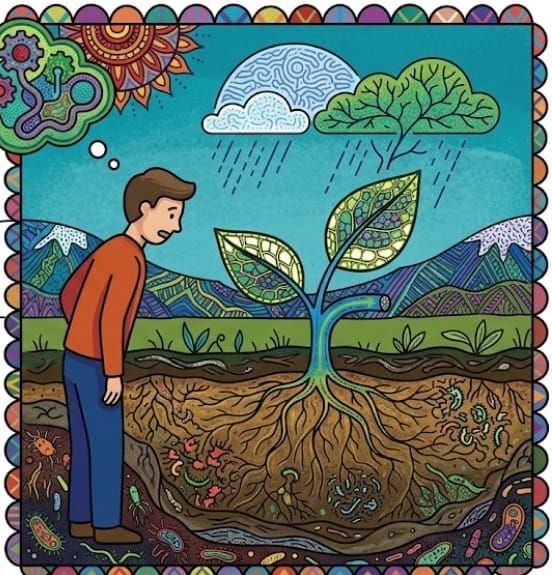
Pouring it around the base of your plants also helps suppress soil-borne fungal issues and drives off annoying ant nests without harming the good microbes living in your dirt.
If you have a compost pile going, tipping the nutrient-rich water over your green waste adds extra nitrogen and trace minerals to help speed up the breakdown.
Beyond the garden bed, that bitter wash water has a long history in traditional body care and natural remedies. Provided you have not added any salt to the water during washing, it makes a great herbal hair and scalp rinse.
The natural saponins work like a super mild soap, while the antifungal traits help clear up dandruff and soothe an itchy scalp. You can also use it as a topical skin wash to calm down rashes, acne, or minor scrapes thanks to its antibacterial properties. Some traditional remedies even call for drinking a small cup of the raw, unsalted first rinse as a potent digestive tonic to stimulate liver function, kickstart digestion, and keep blood sugar levels steady.
Just make sure that if you used salt to help draw out the bitterness, you keep that salty water away from your garden beds so you do not accidentally burn your plant roots.
Medicinal and Nutritional Properties
Beyond the kitchen, bitter leaf is highly valued for its health-promoting properties. It is rich in essential vitamins, minerals, and antioxidants, and is traditionally used to support digestion, regulate blood sugar, and boost the immune system. Modern research continues to explore the pharmacological benefits of its various bioactive compounds.
Research suggests that bitter leaf contains compounds with antimicrobial properties that may help inhibit the growth of certain bacteria and fungi. Additionally, its antioxidant content can help protect cells from damage and support repair.
Making Tea
To make bitter leaf tea, steep a handful of fresh or dried leaves in boiling water for about ten minutes, then strain the liquid into a cup.
Drinking the tea is often used to help manage blood sugar levels, support digestion, and boost the immune system due to its high antioxidant content.
Be aware that the taste is very intense, and individuals with low blood sugar or those who are pregnant or nursing should consult a healthcare professional before making it a regular part of their routine.
Bitter Leaf in a Perth Suburban Garden
Incorporating bitter leaf into contemporary gardens offers a blend of aesthetic and practical benefits. It serves as an excellent functional ornamental, providing lush green foliage and helping to create diverse microclimates within syntropic designs or food forests.
Bitter leaf is an excellent choice for creating a dense, living hedge. It responds very well to regular pruning, which encourages bushier growth and helps maintain the desired shape and height. When left unpruned, it can grow up to three meters tall or even more, but as a hedge, it's typically kept much shorter for easy maintenance and access.
Buy Bitter leaf in Perth from Primal Fruits Perth extra big cuttings from $10 or plants from $15.
Boring medical studies info for the nerds
African bitter leaf (Vernonia amygdalina) has been widely researched for its health benefits. Here are three key studies detailing what scientists discovered about this plant.
Antioxidant and Chemopreventive Properties
A major review examined how bitter leaf protects human cells from damage (Farombi & Owoeye, 2011).
Key Findings:
Bitter leaf contains active plant compounds like sesquiterpene lactones, saponins, and flavonoids.
These compounds act as powerful antioxidants that clean up harmful free radicals and reduce systemic inflammation.
The extracts help prevent toxic cell damage and show strong potential in cancer chemoprevention.
Diabetes and Blood Sugar Management
Preclinical research evaluated the antidiabetic mechanisms of bitter leaf extracts (Asante & Wiafe, 2023).
Key Findings:
Leaf and root extracts strongly slow down alpha-glucosidase, the enzyme responsible for breaking complex carbs into simple sugars.
By blocking this enzyme, bitter leaf helps prevent sharp spikes in blood sugar after meals.
Specific extracts showed high inhibition rates even at low concentrations, confirming its traditional use for managing diabetes.
Broad Pharmacological and Antimicrobial Actions
A comprehensive review analyzed the full pharmacological spectrum of bitter leaf compounds (Degu et al., 2024).
Key Findings:
Isolated compounds show clear antibacterial, antifungal, anti-parasitic, and anti-inflammatory activity.
The plant is rich in key minerals (iron, zinc, calcium) and essential amino acids, providing solid nutritional value alongside its medicinal effects.
Extracts help support digestive function and liver health by controlling gut pathogens and oxidative stress.
References
Asante, D., & Wiafe, G. A. (2023). Therapeutic Benefit of Vernonia amygdalina in the Treatment of Diabetes and Its Associated Complications in Preclinical Studies. Journal of Diabetes Research, 2023, 1-12.https://doi.org/10.1155/2023/3159352
Degu, S., Meresa, A., Animaw, Z., Jegnie, M., Asfaw, A., & Tegegn, G. (2024). Vernonia amygdalina: a comprehensive review of the nutritional makeup, traditional medicinal use, and pharmacology of isolated phytochemicals and compounds. Frontiers in Natural Products, 3.https://doi.org/10.3390/fntpr.2024.1347855
Farombi, E. O., & Owoeye, O. (2011). Antioxidative and Chemopreventive Properties of Vernonia amygdalina and Garcinia biflavonoid. International Journal of Environmental Research and Public Health, 8(6), 2533-2555.https://doi.org/10.3390/ijerph8062533