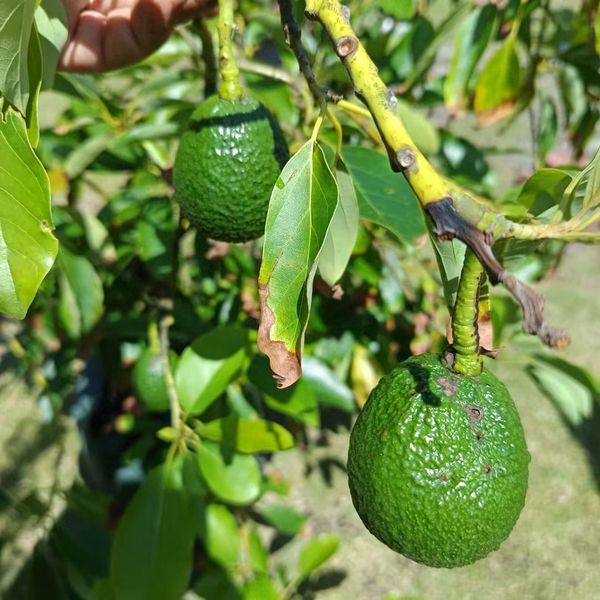
Apuruí - The Fruit that taste like Marmalade.
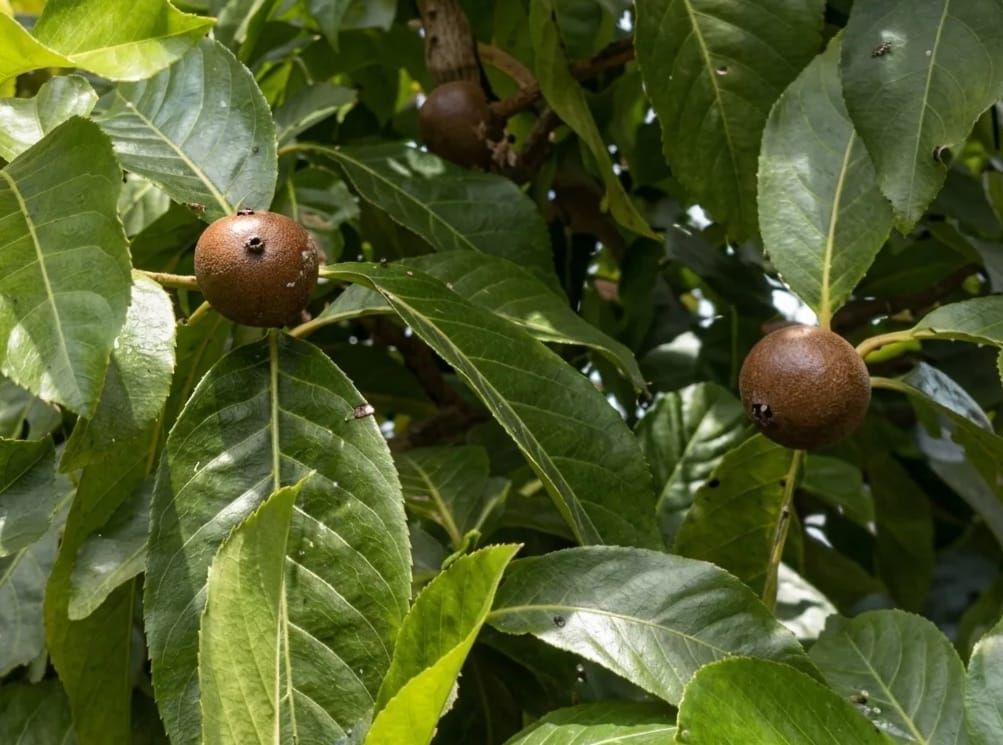
The marmalade fruit plant, known scientifically as Alibertia edulis, stands as a fascinating yet little known gem, even in its home countries.
Known by various synonyms including Amaioua edulis, Amaioua utilis, Cordiera edulis, Gardenia edulis, and Genipa edulis, this member of the Rubiaceae (coffee, blackberry jam fruit and Native Gardenia) family offers both culinary delight and horticultural intrigue.
Despite its tropical origins, this remarkable plant has shown surprising adaptability, making it a candidate for cultivation in unexpected locations, including the Mediterranean climates like Perth.
The genus Alibertia has about 30 species of trees and shrubs native to South America. The species name edulis refers to its edible fruits, while the common name marmalade fruit aptly describes the flavour and consistency of its ripe produce, also hinting at the trickiness to harvest a ripe fruit due to te skin and fruit breaking apart so easily when picked.
Growing to a height of 5-15m in its natural habitat, though cultivated specimens often cap out at 3-5m.
The tree features big leaves, up to 25 cm long, glossy dark green with popping veins.
Small flowers are white to cream-coloured and look like 1-2 cm coffee flowers.
The fruits are small tennis ball size and round, 5-10 cm in diameter, ripening from green to yellow-orange, containing lots of small seeds in a gelatinous pulp like passionfruit. The thin skin becomes slightly wrinkled when fully ripe. The are a translucent, jelly-like pulp with a flavour often compared to marmalade, creating a sweet-tart balance with notes of citrus, apricot, and tropical fruit.
Alibertia edulis is native to the tropical regions of South America, with its natural range extending across Brazil, particularly the Amazon Basin and Atlantic coastal forests. It is also native to Colombia and Venezuela. In the northern regions, Peru along the eastern slopes of the Andes and Amazon lowlands, Ecuador, as well as Guyana, Suriname, and French Guiana.
The species thrives in tropical rainforest environments, where it grows as an understory to mid-canopy tree. It is typically found from sea level to 1000 m above sea level, preferring humid, well-drained locations with consistent rainfall throughout the year.
Natively it loves consistent temperatures between 20 - 30c, high humidity of 70% plus and heavy annual rainfall. So in Perth it needs stability and protection.
The marmalade fruit has been utilized by indigenous peoples of South America. When fully ripe, the fruit is eaten raw, often scooped from the skin with a spoon. The fruit's natural pectin content and marmalade-like flavour make it exceptional for jams, jellies, and preserves. The pulp is also used for drinks, smoothies, and juices, as well as desserts like pies, tarts, ice creams, and other confectionary. In some regions, it is even used to make wines and other fermented beverages.
Various other parts of the plant have traditional uses. In traditional medicine, the leaves are used for wound healing and to reduce inflammation. Infusions prepared from leaves are sometimes consumed as a digestive aid, as the leaves contain bioactive compounds with potential antimicrobial properties. In some Amazonian communities, leaves are also used in baths for spiritual cleansing rituals.
The bark contains tannins and has been used for dyeing textiles in some traditional communities, as well as in traditional medicine for treating various conditions including fever, diarrhea, dysentery, and general infections. Traditional preparations using the roots have been good for kidney issues, urinary tract problems, intestinal parasites, and rheumatism as an anti-inflammatory.
The timber is moderately hard and has been used for small construction projects and tool handles in its native regions.
The fruit pulp can act as a mild laxative or i te average Aussie diet just the thing the doctor ordered. Also consumed to treat digestive disorders, and applied as a skin tonic when mashed and used as a face mask. Leaf infusions are used to treat fever and malaise, applied topically to treat skin conditions and wounds, and used as an anti-inflammatory for swollen joints. Remedies using bark are administered as a general tonic and applied in the treatment of respiratory conditions.
Science backs up the folklore too or is starting too anyways. With modern science finally catching up with what rainforest communities have known for centuries. Lab tests show the tree is packed with natural plant compounds like flavonoids, tannins, and antioxidants that help fight off cell damage and reduce swelling.
Back in 2016, researchers tested the leaves and fruit pulp in a laboratory. They found the leaf extracts were especially good at mopping up harmful free radicals because of their high antioxidant levels.
Scientific studies on Alibertia edulis leaves have tested them for antioxidant properties, blood sugar lowering effects (hypoglycemic), and antifungal activity, but not for killing E. coli or Golden Staph.
How easy is growing this fruiting tree in Perth? Apart from some challenges there's good opportunities to get it right!
Perth's climate features hot, dry summers and mild, wet winters, which differ significantly from the species' tropical origins. Summer temperatures frequently exceed 35c, humidity drops during summer, dry summers contrast with tropical wet seasons, and occasional winter lows of 3c can damage the plant.
Optimal growth temperatures are between 20-30c. Extreme heat above 38c degrees requires shading protection, and the plant is sensitive to frost, requiring protection if temperatures drop too low.
Ideally in Perth greenhouse or inside the house for 1-3 winters then preferring partial shade to filtered sun, morning sun with afternoon protection ideal. When mature under full sun, plants need extra watering and protection from heat stress.
Watering must be consistent while maintaining well-drained soil. During Perth's summer, regular deep watering two to three times per week using drip irrigation or soaker hoses is ideal, while watering should be reduced in winter. It does not tolerate waterlogged conditions.
The tree prefers slightly acidic to neutral pH of 6 - 7. Add conpost when planting out and mulch heavily.
Plants need wind protection because the canopy is sensitive to hot, drying winds. They also require the equivilant of 50% shade during extreme summer heat and protection from water with high salt concentrations such as poor bore water and windy coastal gardens.
Propagation from semi-hardwood cuttings is best done in late spring to early summer using cuttings 15 cm long with two to three nodes. They require rooting hormone IBA at 3-5000ppm and a rooting medium mix of perlite, vermiculite, and peat moss under high humidity. Cuttings historically have a low success rate of twenty to forty percent and take six to twelve weeks to root under mist propagation, so air layering and grafting often yield better results.
Seed propagation is more reliable but slower, taking 4-8 weeks to germinate at least 24-28c and only takes 4-6 years to produce fruit from female plants. Clean seeds from ripe pulp should be planted one to two centimetres deep in seed-raising mix.
Marmalade Fruit tree is not self fertile. Instead a female plant (50% change) must have pollen from a male plant. in male plants, the flowers grow in small clusters. On female plants, the flowers are larger and typically grow singly.
Because you cannot tell male and female plants apart until they start flowering, growing from seed requires planting at least 3-5 seedlings to ensure you get at least one of each sex for cross-pollination and fruit production. It is primarily insect-pollinated by bees and small flies. Hand pollination can increase fruit set, attracting pollinators improves yields, and cross-pollination between more than one female and male set may enhance fruit quality and quantity.
Realistic challenges in Perth include protection from heat and sun, pot growing for winter protection or frost cloth use, heavy soil management, substantial summer water needs, and delayed fruiting until established. Advantages include container growing for mobility, hardiness once established if protected, good response to pruning, integration into protected garden positions, and potential for greenhouse success.
For Perth we recommend planting under dappled shade, heavy soil amendment with compost, aged manure, mineral magic and rock dust, a thick organic mulch layer, drip irrigation with a timer, 50% shade cloth in peak summer, growing a 7-10 year old tree in around 75 litre pot, or year-round greenhouse cultivation.
Planting is best done in spring after cooler nights of under 10c.
Feed with a balanced organic fertiliser like 8-3-9 quarterly during the growing season, perform minimal pruning to remove dead or damaged branches, allow 6-8 months from flower to ripe fruit, and harvest when fruit turns golden-yellow and yields to gentle pressure. 15+ year old established trees can produce 50-150 fruits annually.
If your tree suffers from poor fruit set try your hand at hand pollinating or attract more pollinators, and avoid temperature extremes during flowering.
For nutrient deficiencies, feed regularly with complete fertiliser and run soil tests for issues.
Ironically one future prospect includes climate change creating more favourable conditions for subtropical and tropical species in our region although summers getting worse won't help anyone.
Check out plants for sale in Perth.
video by Helton Josue Teodoro Muniz