Avocado Pit of Knowledge
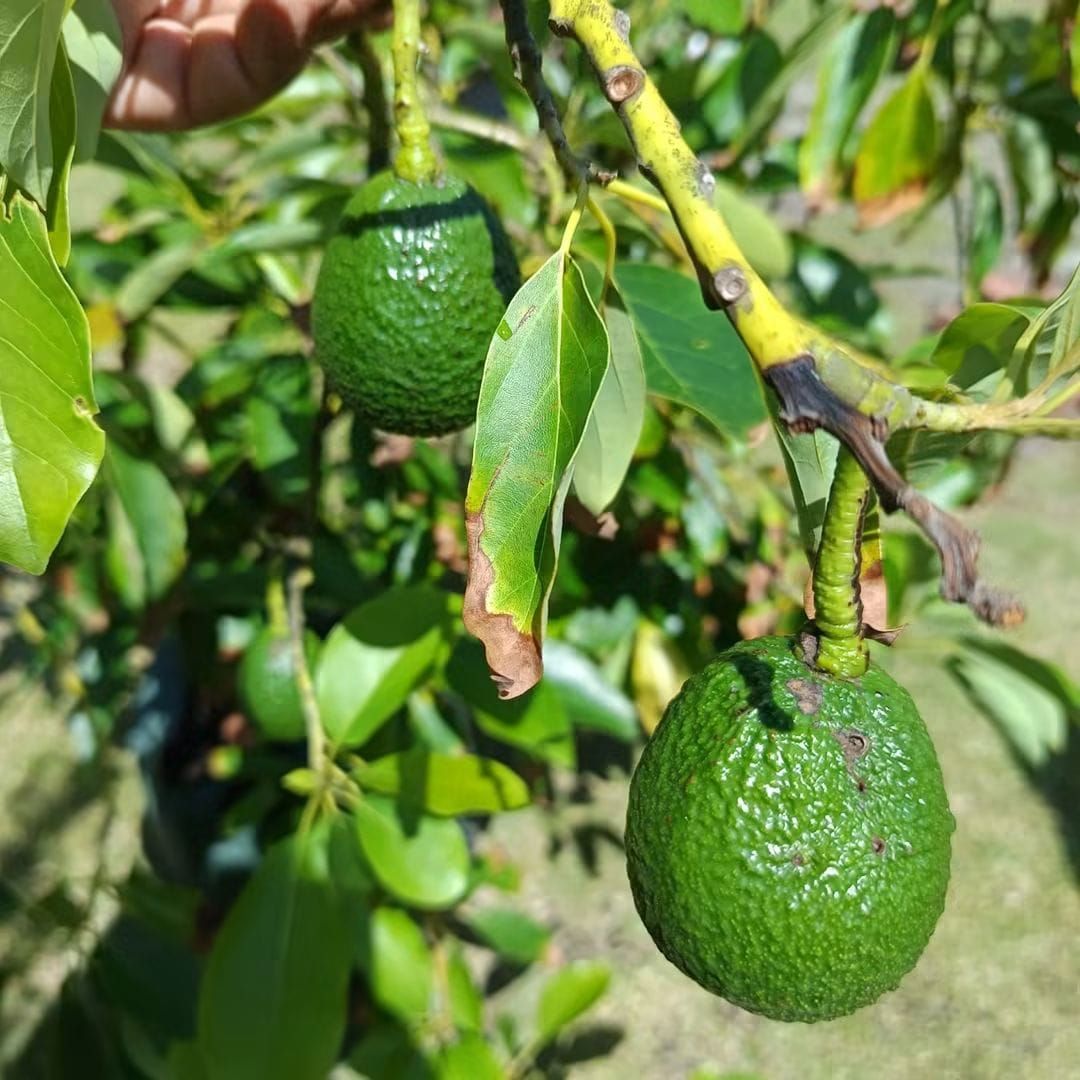
Plant several avocado seeds because sometimes magic happens. I have seen amazing fruit on seed grown avocados. If you have space, give 100 seeds scattered around the place a shot. It's really a set and forget excercise as long as you bury the seeds in an irrigated area.
But first what is avo as a food?
The avocado is a fruit that woke up one day and decided to be a vegetable. Botanically, it is a berry, since it develops from a single ovary and contains one big seed. So by the strict rules of botany, it is a fruit. By the rules of taste, it is a savoury, buttery, grassy thing that belongs on toast, not in a fruit salad. Is it butter? It has very little sugar, so your tongue files it under vegetable. That is why we put it in guacamole and not in a pie, unless we are being sneaky. A strawberry is not a berry, but an avocado is. That fact starts fights at bougie parties.
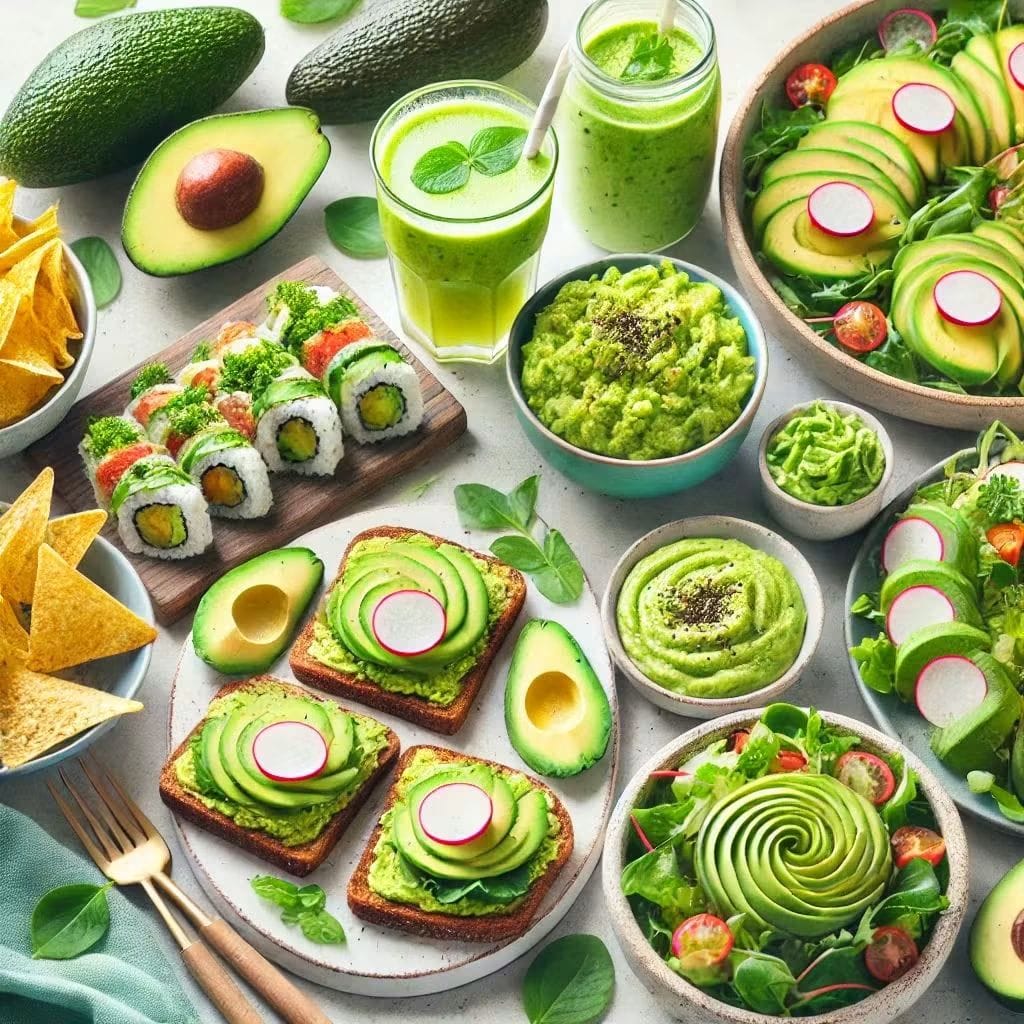
It is also a climacteric fruit. It matures on the tree but does not ripen until it is picked. It can hang there hard as a rock for months. Then ethylene gas kicks in and it softens. That is why you can buy a brick and wait three days for a miracle. It is like a fruit that needs a deadline. The big seed is an evolutionary relic from giant ground sloths and elephant-like gomphotheres. They swallowed it whole and spread it around. Now we just try not to cut our hands while removing it. Nutritionally, it is a fruit with a fat habit. About 15 percent of its flesh is fat, mostly monounsaturated oleic acid, the same kind of fat found in olive oil. That is why it is so creamy. It has more potassium per 100 grams than a banana. It also brings fiber, vitamin E, vitamin K, vitamin C, B6, folate, pantothenic acid, magnesium, and carotenoids like lutein and zeaxanthin. It is low in sugar, so it will not spike your blood glucose like a mango. The fat and fiber help you feel full. But it is calorie dense, so it is not a free food. You cannot eat five and call it a salad. The culinary experience is where it gets weird. It is a fruit that behaves like butter. You can mash it, slice it, blend it, grill it, fry it, pickle it, or turn it into chocolate mousse. It carries flavors well because fat dissolves aromatic compounds. It can go sweet or savory, but it needs help to go sweet. On its own, it is mild, nutty, and grassy. Its texture ranges from rock to mush in about twelve hours. It browns when cut because polyphenol oxidase reacts with oxygen. Lemon juice or plastic wrap slows that down. So the avocado is a berry that tastes like a vegetable, eats like a fat, and acts like a drama queen. It is scientifically a fruit, culinarily a vegetable, and nutritionally a small green multivitamin with a butter problem. Put it in a salad, blend it in a smoothie, or mash it on toast. Just do not call it a vegetable in front of a botanist. They will correct you, and then they will ask for a bite.
That is exactly how the Jala Avocado was born. It started by seed, grown by a backyard grower in northern New South Wales. It turned into a tree that stunned everyone with its massive, buttery fruit. Some weighed over a kilo each. It was not a known variety and it was not grafted. It just grew and delivered. Now, Jala is one of the largest known avocados in Australia. It is rich, nutty, and creamy. It is proof that even the most ordinary seed can grow into something extraordinary. Plant your own story because you never know what you will grow. Bigger seeds often produce stronger, faster-growing seedlings. These may establish better and fruit sooner. However, this does not guarantee quality fruit or early fruiting. That part is the genetic lottery. You might want to grow some proven performers first and then grow your own seedlings. Avocados are fascinating plants. They do not ripen on the tree. They stay rock-hard until picked, which means growers can use the tree as a natural storage unit for months. They evolved for extinct animals. Giant ground sloths and elephant-like gomphotheres ate whole avocados, swallowed the seeds, and spread them.
Without humans, avocados might have disappeared. They are actually berries. Botanically, avocados qualify as berries because they develop from a single ovary, have a fleshy interior, and contain a seed. They can switch sexes. Avocado flowers open as female one day and male the next, making cross-pollination more efficient.
Their seed is absurdly big for no reason anymore. It was meant for massive prehistoric animals to swallow, but now it is just an evolutionary relic. They can also self-destruct. If left too long on the tree, they over-ripen, turn bitter, and fall off uselessly. Growing avocados requires patience. The great irony is that the tree needs to be a bushy 1.5m plant to handle full sun, but you cannot mess with the tap root in a small pot. You have two choices. Plant it in the ground under shade and let it fight its way to the sun, or drop serious cash on a mature avocado in at least a 50L pot and pray it forgives you when you transplant it. Either way, patience and a little luck is the secret ingredient. Avocados in Perth need careful management to handle heat, sandy soil, and dry summers. Even with the best care, expect some fruit drop and sun scorch in extreme heat. Young trees sunburn easily. Whitewash the trunk and lower branches with diluted white water-based paint. Some even use clay spray paint. Use 30-50% shade cloth for the first two to three summers, gradually removing it as the tree matures.
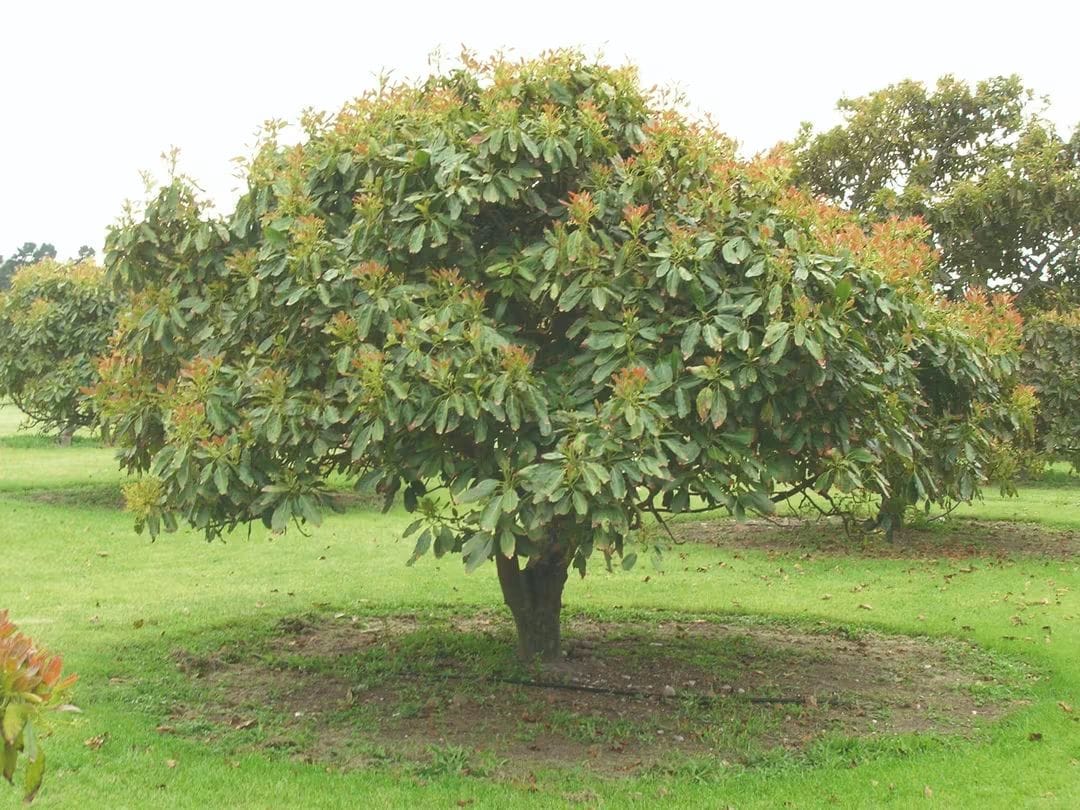
Avoid planting in full afternoon sun. A tree around 1.8m tall and 1m wide can handle 80% of Perth sun. Keeping it in a deep pot offers more shade control, but damaging the taproot will kill it fast. I recommend converting a plastic 75L bin into a deep pot, great for avos for more long-term.
I would also add extra course sand, even leca clay balls mostly at the bottom to help with drainage in the pot. Water deeply and slowly. Avocados also have shallow, delicate roots that dry out fast in sandy soil. Mulch heavily, 10 to 15 centimetres deep, with coarse organic material but keep it away from the trunk. In summer, water every 2-3 days, increasing to daily or twice a day in heatwaves. In winter, back off to prevent root rot. Fertiliser balance is critical. Avocados need nitrogen, potassium, phosphorus, boron, and zinc. Sandy Perth soil leaches nutrients fast, so use frequent small applications instead of big doses. Feed with a slow-release, high-potassium fertiliser three to four times a year and foliar spray trace minerals. Seaweed extract strengthens roots. Avoid too much nitrogen in late summer as it triggers heavy fruit drop. Katec is great. Prune lightly to keep an open shape and remove weak branches. Avoid hard summer pruning to prevent sunburn. Tip-prune young branches for a bushier structure. Keep the tree under 4m for easier management. Humidity is low in Perth, and heatwaves cause heavy fruit drop.
Water deeply and consistently, but do not drown the roots. Mulch helps regulate soil moisture and temperature. When flowering, potassium and boron sprays help fruit set. A well-leafed canopy protects young fruit from sun damage.
Some fruit drop is normal, but excessive loss means stress, usually from heat or water issues. Manage these right, and you will get a solid crop even in Perth's brutal summers. When it comes to picking, avocados do not fully ripen on the tree. They are ready when you can twist off the stem fairly easily. Some varieties darken when ready, but many stay green, so colour is not always a sign. If you pick too early, the fruit will stay rubbery or shrivel instead of ripening properly. Most avocados take 3 to 7 days to ripen after picking at room temperature. Speed it up by placing them in a paper bag with a banana or apple. Ethylene gas triggers ripening.
Slow ripening down by keeping them in the fridge once they start softening. To tell if it is ready, gently press near the stem. A ripe avocado gives slightly but is not mushy. If the stem nub pops off easily and the flesh underneath is green, it is perfect. If it is brown underneath, it is likely overripe. Avocados are fussy lovers. They all have both male and female flowers, but instead of opening them at once like sensible plants, they do it in shifts. That is where A-Type and B-Type come in. A-Type avocados open their flowers female in the morning, then switch to male in the afternoon. B-Type avocados do the opposite, female in the afternoon and male the next morning. It is a botanical soap opera with pollen timing issues.
In hot, dry conditions like Perth, a single A-type often has an advantage. Its female flowers are open in the cooler morning. That means pollen can land when the flower is more receptive and bees are more active. A single B-type opens female flowers in the afternoon. In extreme heat and dry wind, those flowers can dry out, lose receptivity, and get fewer bee visits. So a lone B-type can struggle more in that climate.
But that does not make A-types universally better. In milder, more humid, or coastal conditions, a single B-type can fruit perfectly well. Some trees also have enough flower overlap to self-pollinate, even if they are not the perfect match. Weather, pollinators, tree health, water, mulch, and nutrition all matter just as much as A or B timing.
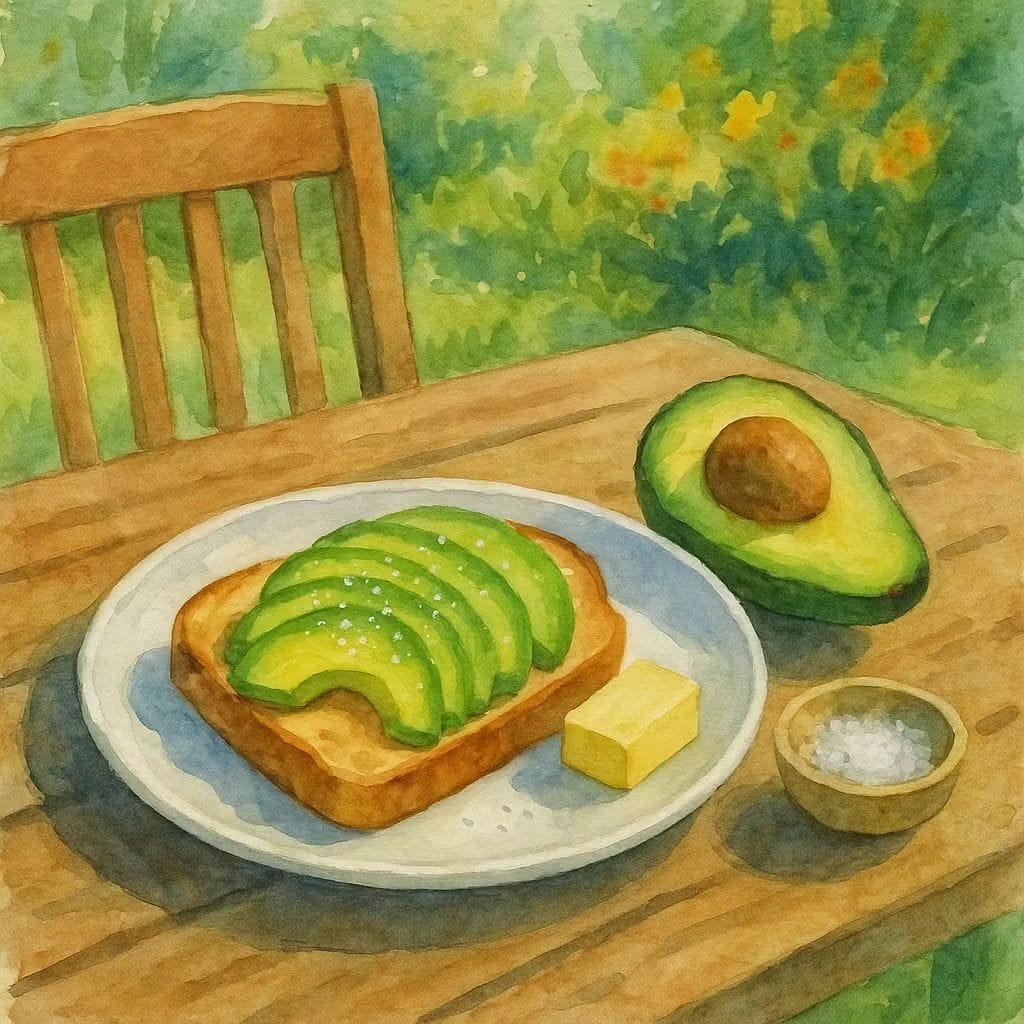
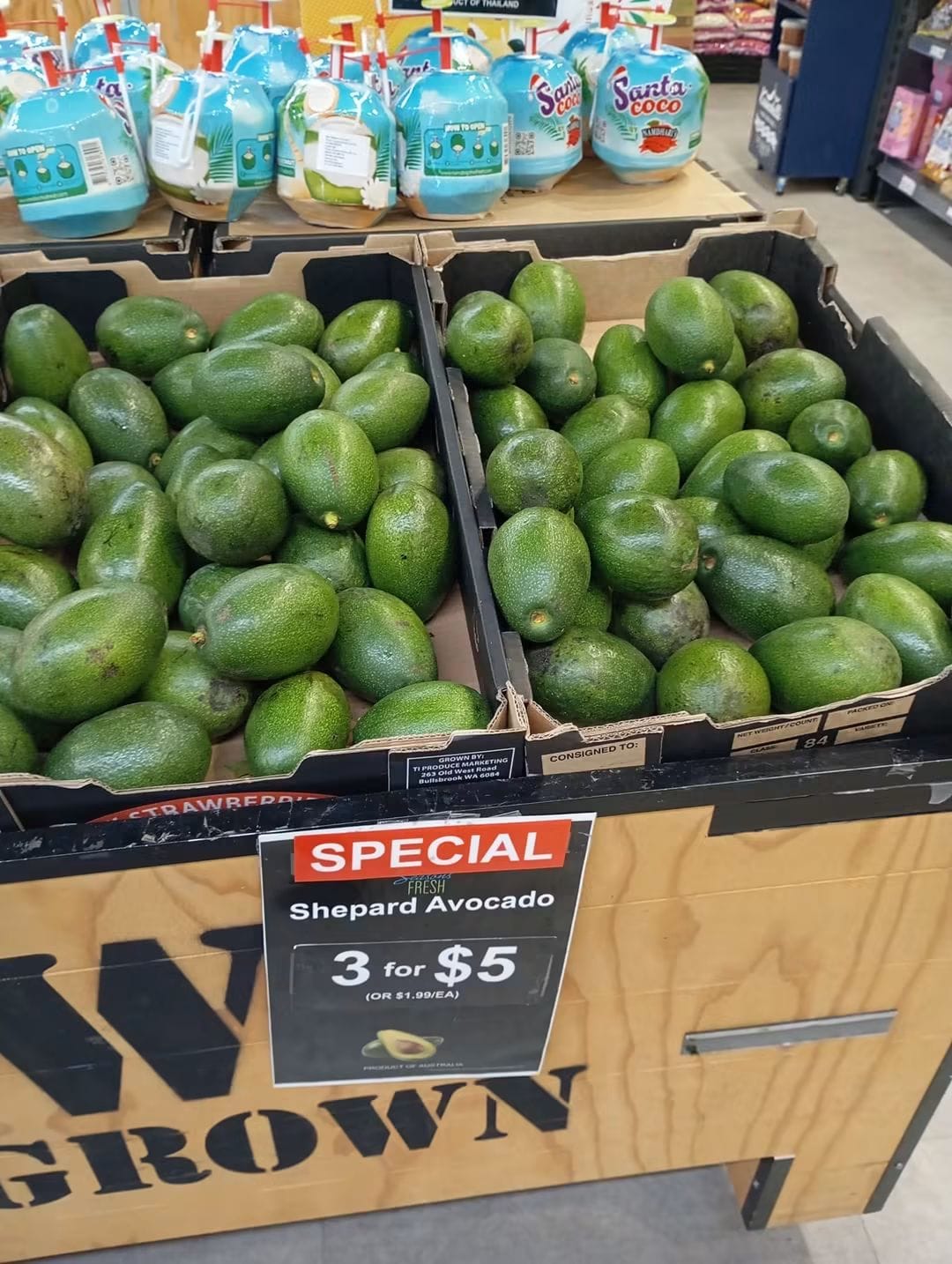
In theory, you can get fruit with just one tree, especially if the weather plays nice. But if you want avo toast dreams to come true, pair an A with a B. They help each other out like old married couples who know when to talk and when to listen. A-Types include Hass, Lamb Hass, Avozilla, Pinkerton, Reed, Gwen, Wurtz, Mexicola and Fuerte. B-Types are Bacon, Ettinger, Zutano, Shephard, Edranol, Sharwill, Lynda, and Fuerte. So what is the deal with Fuerte? Is it A or B? Botanically it is a B-Type, but in some climates it acts more like an A. It sometimes self-pollinates, sometimes needs a mate, and sometimes just sits there leafy and useless. It is like the moody artist of the avocado world with great potential but unreliable.
In Perth, Fuerte often refuses to fruit, despite growing like an overachieving hedge. For one, it flowers in the afternoon when the sun is blasting and the bees are passed out in the shade. Perth's dry heat makes the flowers crisp up before pollen can do its thing. Add a lack of A-Type trees nearby and you have a fruitless diva. Then there is the biennial habit where one year it flowers, the next year it sulks. Even when it does bloom, dry winds or spring heatwaves can fry the whole show. Fuerte also hates surprises. Late frost, early heat, pollen that arrives out of sync, it all confuses the poor thing. The result is lots of leaves and no guacamole.
Want to fix it? Plant a nearby A-Type like Reed, Wurtz, or Hass. Mulch well, mist the flowers in the morning, and consider some bee bribery with extra flowers or sugar water. But if you are low on patience, maybe skip Fuerte altogether.
Reed is more reliable, Wurtz fits in pots, and Hass is Hass. Lamb Hass is the best. Fuerte is great if you like mystery. Otherwise, grow something that actually feeds you.
The best of the B-types is Bacon. Handles extreme weather well.