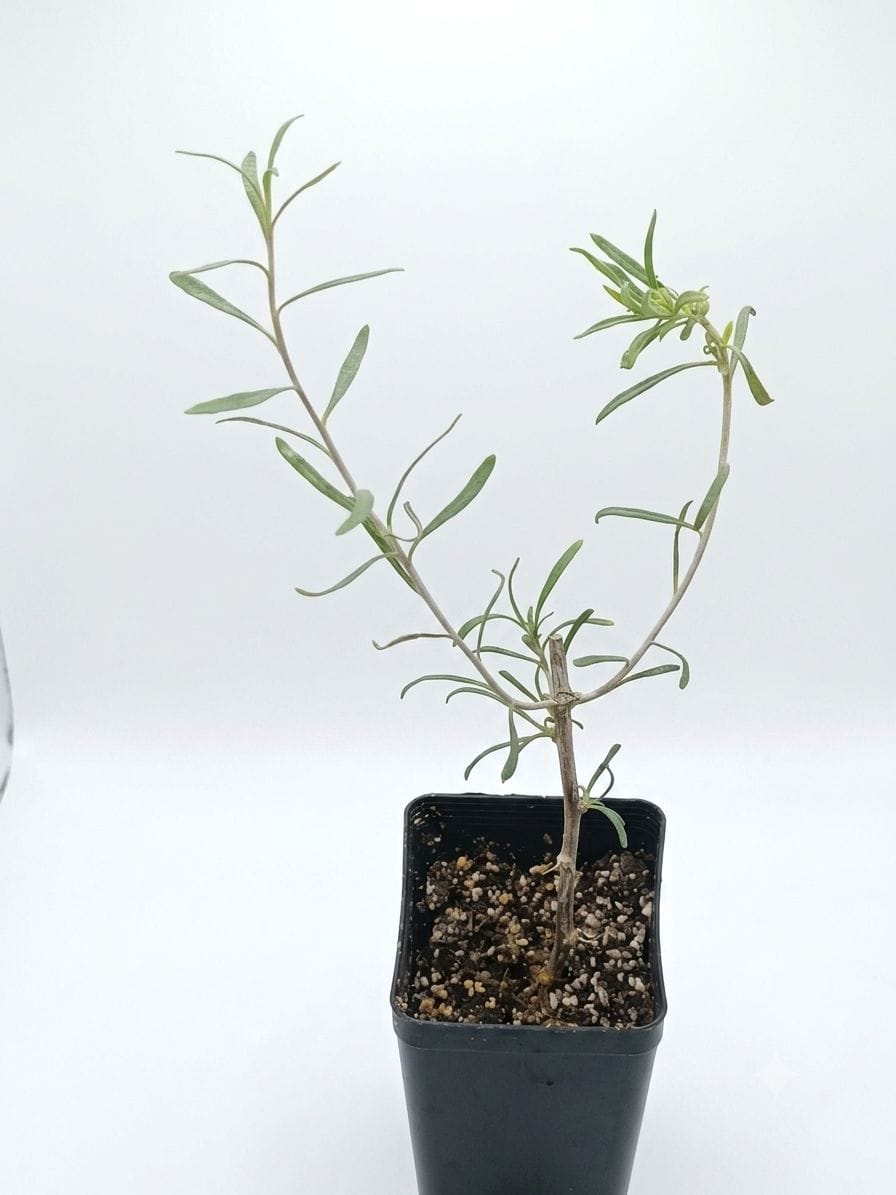
Black Goji Berry
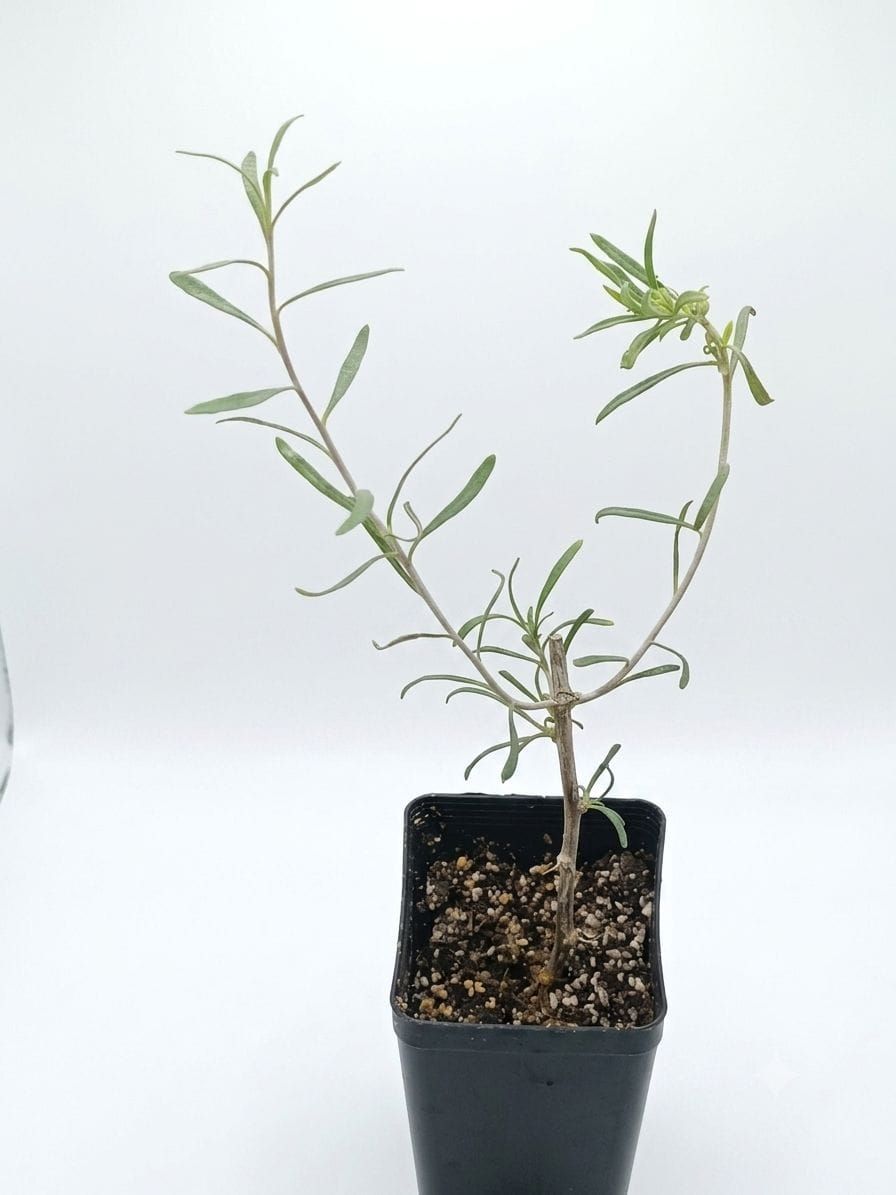
Black Goji Berry, botanically known as Lycium ruthenicum, produces exceptional concentrations of water-soluble anthocyanins and antioxidant compounds compared to almost any other dryland fruiting shrub.
It remains relatively obscure to the average home gardener though, despite being one of the most resilient, fascinating, and valuable fruiting shrubs you can plant in Western Australia. The good news is it's readily available and affordable.
If you walk through the arid desert regions of Central Asia where this plant originates, you will see it surviving in bone-dry, highly saline soils that would turn almost any other fruit tree into crisp kindling.
That exact evolutionary background is precisely why it performs so exceptionally well in Perth.
Our hot summers, poor sandy soils, and salty coastal breezes mimic its natural habitat surprisingly well.
This makes it a dream crop for local growers who want a high-value harvest without constantly fighting our tough environmental conditions.
While many growers associate black goji strictly with sandy coastal soil, its evolutionary history in heavy desert basins gives it a surprising tolerance for clay soil.
Unlike delicate berries that root-rot at the first sign of dense ground, Lycium ruthenicum handles heavy soil structures remarkably well.
The primary danger in Perth is not the clay itself, but standing water during our wet winter months.
To prevent root rot in heavy clay, planting on a slightly raised mound or working coarse river sand into the planting hole ensures adequate drainage around the root crown.
To understand why this plant behaves the way it does in the garden, you have to look at its underlying botany and ecology.
Unlike the common red goji, which can look a bit scrappy and suffer from humidity issues or powdery mildew during muggy spells, the black goji forms a dense, thorny, drought-resistant shrub.
It locks into sandy coastal plains with remarkable ease.
It belongs to the Solanaceae family, making it a distant relative of tomatoes, eggplants, and capsicums, though its survival mechanisms are vastly superior.
In Perth, our Swan Coastal Plain soils are notoriously alkaline, pale, and hydrophobic, lacking organic matter and struggling to retain moisture or nutrients. While many exotic fruit trees suffer from iron chlorosis or nutrient lockup in high pH soils, Lycium ruthenicum actually thrives in alkaline conditions.
Its ideal growing range spans from neutral all the way up to a pH of 8.5.
It utilizes deep taproots alongside a broad lateral root system that scavenges deep water tables and mineral deposits.
This allows it to withstand prolonged dry spells once established in the ground.
From a gardener's perspective, setting up a black goji shrub for success in Perth is straightforward if you respect its natural tendencies.
If you have an established shaded syntropic system (great for 95% of plants!) Black Goji Berry is less happy. It does however demand full sun to build up the sugars and secondary metabolites that give the fruit its unique qualities. Planting it under shade sails or near large overhanging trees will only result in leggy growth and poor flowering.
While it handles sandy soil remarkably well, adding a generous amount of well-composted organic matter, crude clay to fix water repellency, and a dusting of basalt rock dust will accelerate its growth during the first two seasons.
The plant blooms with tiny, bell-shaped purple flowers that attract native bees and pollinators continuously throughout the warmer months.
It quickly sets tiny green berries that ripen into deep, glossy, ink-black spheres. And a lot of them! Production is not a problem with this tree.
Pruning is best done in late winter before the spring flush, cutting back old woody growth to encourage new lateral shoots.
These new shoots are the primary sites for flower and fruit production.
Keeping the center of the bush open improves airflow and makes harvesting through the sharp structural spines much easier.
When you transition from the garden into the kitchen, black goji completely redefines what a berry can do, bridging the gap between fresh fruit and culinary science.
Fresh off the bush, the taste profile is subtle, savory, and mildly sweet, lacking the sharp acidity of a raspberry or the intense sugar of a mulberry.
It has a dry, earthy flavour reminiscent of dark tea, dried nightshades, and subtle wild plum, with a slightly chewy skin and soft seeds.
Because of of the fruits low water content and unique skin structure, it dehydrates easily on the branch or in a warm spot indoors. It turns into small, dark pearls that store almost indefinitely without spoiling.
The real culinary magic happens when you extract the berries into liquids, revealing a stunning natural chemical reaction driven by water-soluble pigments called anthocyanins.
Black goji contains extraordinarily high concentrations of petunidin derivatives, a specific class of antioxidant pigments that act as natural pH indicators.
When you steep dry black goji berries in neutral or warm water, the pigments dissolve instantly, turning the water a vivid, vibrant neon blue.
If you squeeze a drop of fresh lemon or lime juice into that blue liquid, lowering the pH and increasing the acidity, the solution instantly shifts from deep electric blue to a brilliant, intense magenta pink. Chefs and mixologists use this natural color transformation to create visual magic in drinks, herbal teas, clear jellies, and cold syrups. It allows guests to change the color of their food right at the table simply by adding citrus. A great kids experiment too!
Beyond the prized fruit, the young leaves and tender shoots of the plant provide a highly nutritious secondary yield throughout the growing season.
Traditional culinary practices make extensive use of the fresh spring foliage as an edible green.
The leaves can be harvested young and dried for a mild, restorative herbal tea.
When cooked, the foliage behaves much like spinach, holding up beautifully to quick flash-frying, stir-frying, or wilting into hot soups and stews.
Sautéing tender leaves with garlic and soy sauce makes an exceptional addition to omelettes, softening the mild, pleasant wild-green bitterness.
When harvesting foliage, picking only the bright, soft leaves near the growing tips keeps the harvest sweet and avoids the tough stems and spines.
Because high heat can degrade these delicate antioxidant compounds and mute the colors, it is best to steep the berries in warm or room temperature water rather than boiling it hard, especially if you want to keep the health benefits at the fullest potential.
Beyond its visual flair in the kitchen, the medicinal and nutritional profile of Lycium ruthenicum is backed by a growing body of scientific literature.
The deep dark pigment responsible for its color shift is the same compound that gives the fruit its legendary status in traditional herbal systems and modern biochemical research.
When you look at the fruit under a microscope, black goji contains exponentially higher amounts of oligomeric proanthocyanidins and total anthocyanins than red goji, blueberries, or acai.
To put those complex terms into simple science, anthocyanins and oligomeric proanthocyanidins are natural dark pigments that act as aggressive chemical shields for the plant.
Inside your body, normal processes like digesting food or exposure to sunlight create unstable molecules called free radicals.
Free radicals steal electrons from your healthy cells, which damages cellular structures in a process called oxidative stress, much like iron rusting in the open air.
The heavy concentration of pigment compounds in black goji acts like an antioxidant sponge, neutralizing these free radicals before they can cause damage.
This helps protect the structural walls of your cells and maintains flexible, healthy blood vessels throughout your cardiovascular system.
The berries also contain precise combinations of plant chemicals called carotenoids, polysaccharides, and flavonoids that directly protect your eyesight.
Your eyes absorb high amounts of short-wavelength blue light from screens and the sun, which generates harsh photo-oxidation inside the retina.
The specialized carotenoids and flavonoids in the fruit concentrate inside eye tissue, acting like internal sunglasses that filter light and prevent light-driven damage to delicate retinal cells.
At the same time, the complex sugar molecules known as polysaccharides interact directly with immune cells in your gut and bloodstream.
Instead of just over-stimulating your immune system, these polysaccharides have an immunomodulatory effect, meaning they act like a tuning knob to balance your body's defenses.
They help train immune cells to respond efficiently to actual threats while keeping background inflammation low and supporting healthy glucose metabolism.
Incorporating black goji into a broader permaculture design or edible landscape is another area where the plant shines.
Because it forms a dense, spiky thicket, it works brilliantly as a functional security hedge or a windbreak along western or northern boundaries exposed to blistering afternoon heat.
It provides safe nesting habitat for small native birds that can easily navigate the thorns while keeping larger predators out.
The heavy leaf fall in late autumn contributes mineral-rich organic matter back to the soil surface, slowly building up topsoil in dry zones where little else grows.
Whether you are looking for an ultra-tough fruiting shrub that scoffs at Perth summers, an intriguing ingredient for experimental cooking, or a nutrient-dense herbal crop to harvest every year, black goji stands out as one of the most rewarding plants you can add to your garden.