Chilean Guava: The Forgotten Berry Queen

Perth has a love/hate relationship with this small shrub of fruiting tree. Mainly because it refuses to fruit in most Perth suburbs and frustrating because propagators have given up on this delicate plant.
At Primal Fruits we intend to change this as demand is massive. But first we need to find some to grow more. Updates soon.
Many reports state Chilean Guava (Ugni molinae) need around 500 chill hours, that info is contested. The consensus says in warmer areas, the limiting factor for fruit production is not a lack of winter cold, but rather extreme summer heat and low humidity.
Particularly suitable for cooler parts of WA like Albany and even Hills area in Perth.
Chilean guava handles warm conditions well, but it is a cool-temperate rainforest plant at heart. It struggles when heat is paired with dry winds and low humidity. In dry summer heat above 35c, the leaves can scorch and young fruit will drop or shrivel. High temperatures without adequate water cause the root system to stress quickly.
The Chilean guava is an evergreen shrub native to southern Chile and Argentina. In Spanish it is called murta or murtilla, while the indigenous Mapuche people call it Uni. Queen Victoria loved this little fruit - in fact it was her favourite, yet it is still one of the most under-rated berries in the garden.
The plant belongs to the myrtle family, Myrtaceae, making it a distant relative of the tropical guava. And that's why we in Perth just can't get more imported easily.
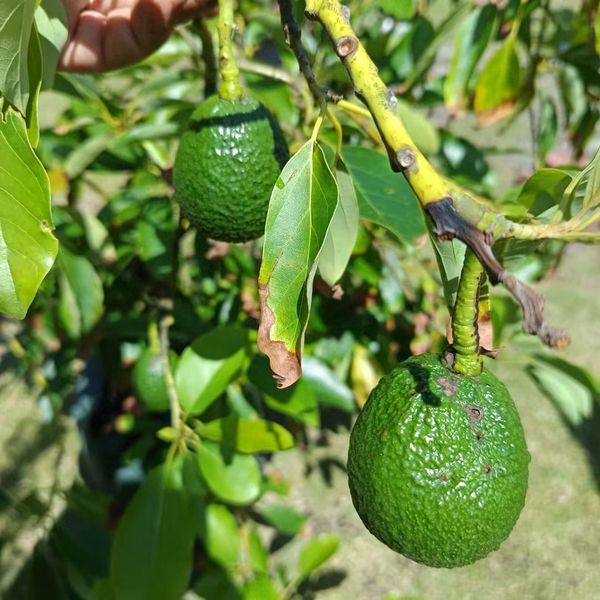
Chilean scholar Juan Ignacio Molina first described it in 1782 as Myrtus ugni. Botanists later moved it to the cherry-myrtle genus Eugenia. In 1848, Russian botanist Nikolai Turczaninow moved it to its own genus, Ugni, based on flower and stamen structure. This happened long before modern genetic testing existed. Today its accepted botanical name is Ugni molinae. In the wild, this bushy shrub grows between 1-3m tall. It has small, leathery, dark green leaves that release a spicy scent when bruised. In summer, it produces fragrant, nodding white or pale pink flowers, followed by small red berries in autumn.
It comes from the cool, damp rainforests of South America, where it grows under larger trees. Because of this, it handles partial shade well.
In hotter Australian climates like coastal Perth, protection from harsh afternoon sun helps keep the fruit sweet and juicy. Unlike many tropical guavas, Chilean guava (not a real guava) handles frost down to -10c degrees. It grows in most soil types like clay, loam, or sand, but it prefers moist, well-drained soil on the acidic to neutral side. Strongly alkaline soils can cause yellow leaves.
It is easy to look after and self-fertile, meaning you only need one bush to get fruit. Plants start fruiting around three years old, yielding about a kilo of fruit per bush and increasing as the plant matures. You can grow it easily in garden beds or large pots. The berries taste like a mix of strawberry, kiwi fruit, and bubblegum with a touch of spice. They are packed with pectin, which makes them brilliant for jams, jellies, and baking.
In Chile, the fruit is eaten fresh, made into jam with quince, or steeped in spirits to make a drink called Murtado. You can also dry the leaves to brew a tea. Queen Victoria was such a fan that she had fresh berries sent to her London table from growers in Cornwall.
Chilean guava makes a fast-growing, edible alternative to traditional box hedges. It grows thicker and faster than boxwood, reaching up to 1.8 metres tall, and clips neatly to shape. It is immune to box blight and has almost no major pest issues in Australia.
The Mapuche people have used this berry for over a thousand years for food and natural medicine. Modern Chilean studies show the leaves and fruit are packed with antioxidants that may help protect cells from aging.
In Australia, growers sometimes market it under the trademarked name Tazziberry, while in New Zealand it is sold as the New Zealand Cranberry.