Chinese Artichoke -Everything You Need to Know About Crosne
What is Chinese Artichoke (Stachys affinis)?
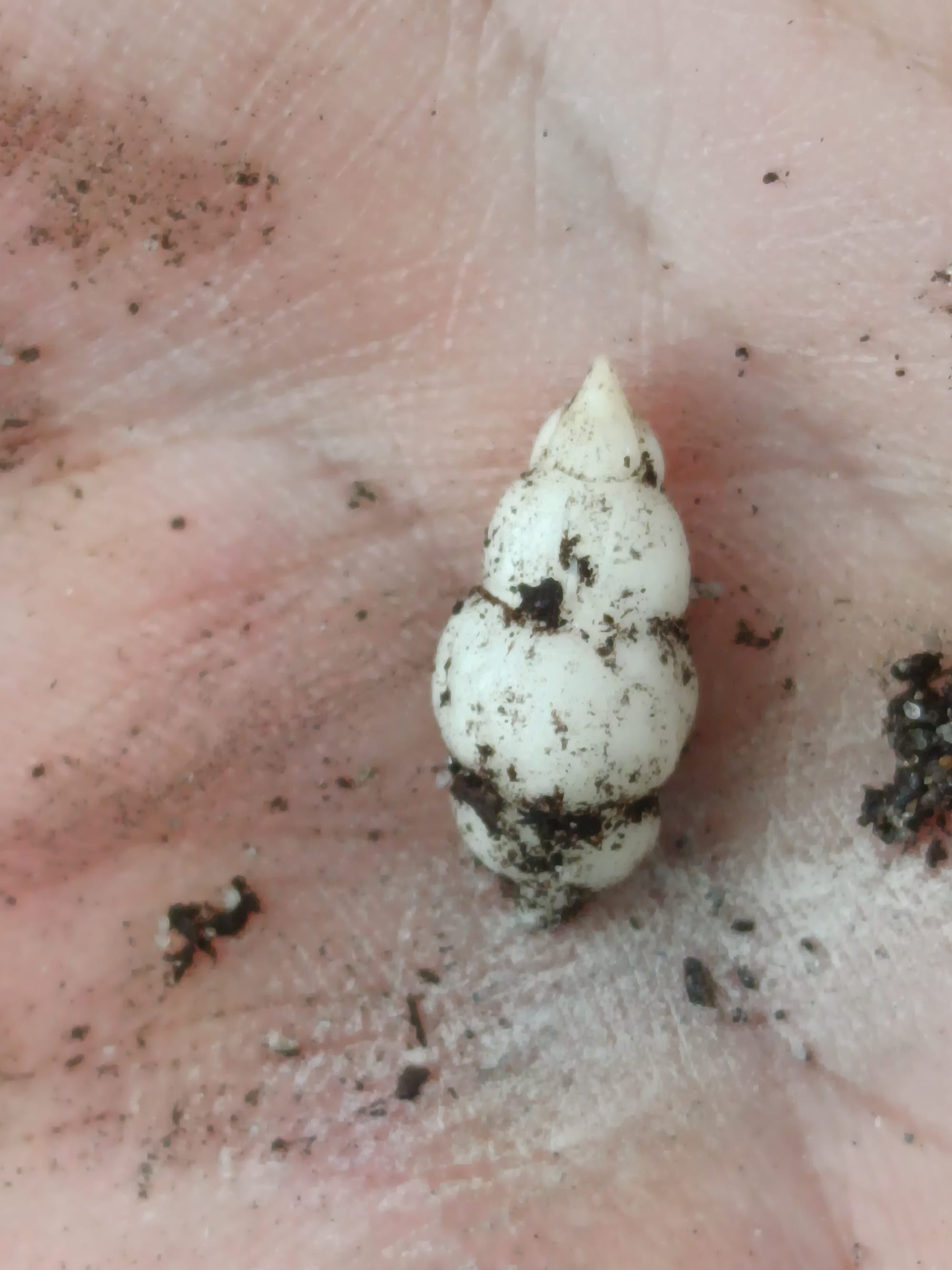
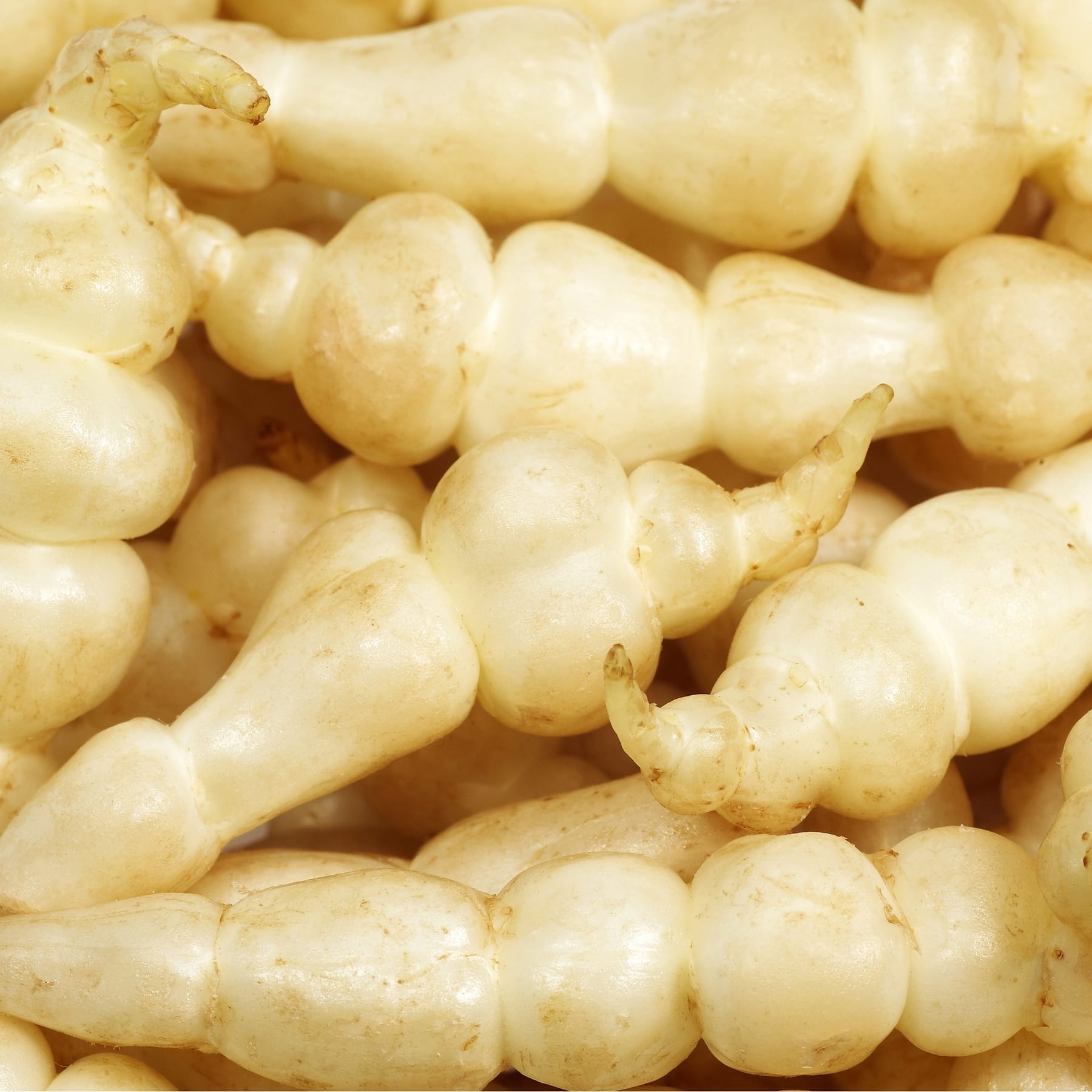
The Chinese artichoke is a perennial herb-like plant in the mint family, Lamiaceae, grown for its edible tubers. Tubers are small, pearly-white, and segmented that resemble little caterpillars or spiral shells.
Despite its common name, it is not related to true artichokes or even Jerusalem artichokes; it earns the title due to a subtle artichoke-like undertone in its flavour.
Native to northern China, Chinese artichokes have been cultivated in East Asia for centuries as both a delicate winter vegetable and a traditional herbal staple. The plant reached Europe in the late 19th century via France, where it was widely grown in the village of Crosne (Haute-Savoie), giving rise to its common French name.
Today, it remains a sought-after delicacy in fine dining across Europe and Asia.
Above ground, the leaves resembles mint, featuring textured green leaves and square stems. Below ground, the plant produces a dense network of thin roots ending in distinctive ridged tubers.
Each tuber grows roughly 2-5cm long.
What Does Crosne Taste Like?
Crosne has a light, nutty flavour with mild sweetness and a faint hint of artichoke or sunchoke.
Its texture is its defining feature, as it is crisp, juicy, and firm—similar to the crunch of a water chestnut. Even after light cooking, it retains a satisfying, snappy bite.
Popular Cooking Techniques
Sautéing: Flash-frying tubers in butter with a touch of garlic or fresh herbs keeps them tender yet crisp.
Pickling: Steeping tubers in a vinegar brine with ginger or chilli preserves their crunch and creates an excellent condiment popular in East Asian cuisine.
Roasting: Baking tubers at medium temperatures with olive oil brings out their rich, nutty undertones.
Raw: Adding thin slices or whole small tubers directly to fresh salads contributes a pleasing texture and subtle sweetness.
In French cuisine, crosne is lightly blanched or poached in butter and tossed with fresh parsley, garlic, or cream sauces.
In Japanese cuisine, where it is known as chorogi, the tubers are often pickled in red shiso juice, turning them a bright crimson for celebratory New Year dishes. They pair exceptionally well with mushrooms, poultry, garlic butter, thyme, and soy-based dressings.
The delicate, ridged skin of the Chinese artichoke is completely edible, making peeling unnecessary and impractical. First, submerge the tubers in cold water to loosen any soil trapped in the ridges. Next, scrub them gently using a soft vegetable brush, or rub them together in a coarse cloth with coarse salt to remove the remaining dirt. Finally, rinse them thoroughly under cold running water and trim off the tiny root tips before cooking.
Key Nutrients, Vitamins, and Minerals: Chinese artichokes offer a light, nutritious addition to winter diets. They are low in calories and fat while providing useful amounts of iron, potassium, B vitamins, and vitamin C.
Prebiotic Benefits and Fibre Content Like Jerusalem artichokes, crosnes store carbohydrates in the form of stachyose and inulin rather than starch. Inulin acts as a soluble prebiotic fibre that feeds beneficial gut bacteria, supporting healthy digestion and gut microbiome balance.
Crosnes thrive in cool to temperate climates. Full sun yields the strongest growth, though plants tolerate partial shade in hotter regions - ie Perth.
Light, loose, sandy loam rich in organic matter is essential because heavy clay soil makes harvesting difficult and can distort tuber shape.
Aim for well-draining soil with a neutral to slightly acidic pH.
Plant seed tubers in early spring after the risk of hard frost has passed. Place the tubers 5 cm deep and 15 cm apart in rows spaced 30 cm apart.
Position them horizontally in the soil.
Keep the soil consistently moist throughout the spring and summer, as dry conditions stunt tuber development during active growth.
Apply a layer of organic mulch, such as straw or bark, to conserve soil moisture and suppress weeds. Cut back flower spikes if they appear to direct energy into the underground tubers.
Chinese artichokes do remarkably well in pots. Select a container at least thirty centimetres deep and wide with drainage holes, and use a quality, well-draining potting mix.
Keep pots watered consistently through warm weather, as container soil dries out faster than garden beds.
Tubers develop late in the season, and harvest begins in late autumn or early winter after frost has killed off the top foliage. Cold temperatures improve their sweetness, so tubers can be left in the ground and dug as needed throughout winter.
Harvest is easy. Start by cutting back dead top stems near ground level. Next, use a garden fork to carefully loosen the soil 20 cm away from the main stem to avoid puncturing delicate tubers. Gently lift the root mass and separate the tubers from the soil. Finally, rinse them gently if using immediately, or brush off loose dirt without washing if storing them long-term.
Storage tips to prevent tubers from drying out. Crosnes have paper-thin skins and lose moisture rapidly once exposed to air.
For short-term storage, keep unwashed tubers in a sealed container or plastic bag lined with a damp paper towel in the fridge for up to two weeks.
For long-term storage, keep unwashed tubers buried in moist sand or peat moss in a cool, dark cellar or garage. If tubers begin to shrivel, soak them in icy water for fifteen minutes to restore their crispness. Common garden pests include slugs and snails, they target tender spring shoots, while mice and root pests may target buried tubers. Use beer traps, copper tape, or physical barriers for slugs, and net or fence beds if rodents are an issue in your garden area.
Fungal issues can happen when poorly drained soil can lead to root rot or fungal leaf spots. Ensure good drainage in garden beds and avoid overwatering during cool, dormant periods. Space plants adequately to promote airflow around the foliage.
As a member of the mint family, Chinese artichoke spreads via underground runners. If any tiny tubers are left in the soil at harvest, they will regrow the following spring. To keep plants contained, build raised beds, line garden borders, or grow tubers in deep containers.
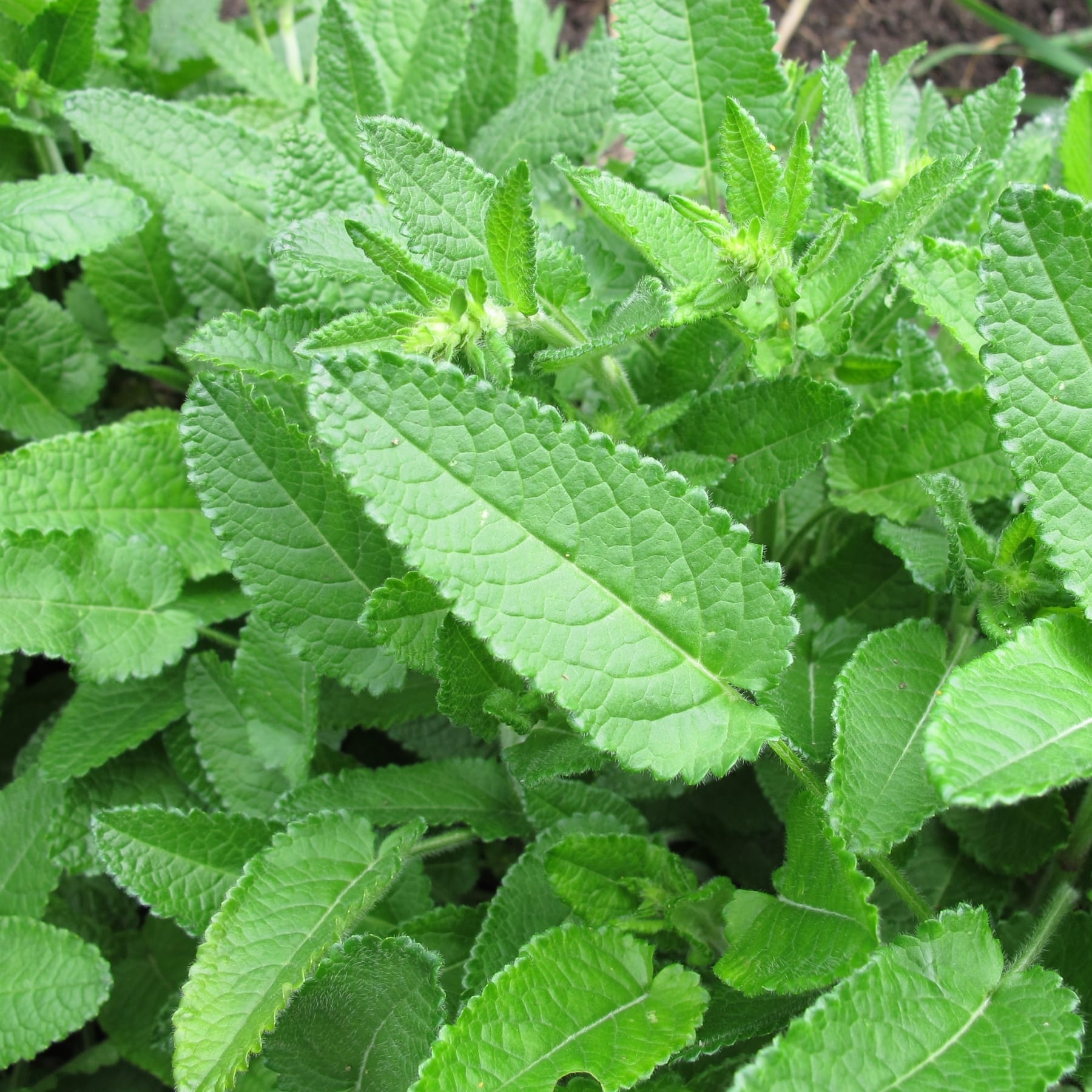
While Chinese artichokes are grown primarily for their edible tubers, the leaves also have several practical uses.
Fresh, young leaves can be cooked and eaten as green pot herbs, though their slightly rough texture and earthy taste mean they are best mixed into dishes with other leafy greens or added to soups.
The foliage can also be dried and steeped in hot water to make an herbal tea, a traditional practice in Chinese medicine where the stems and leaves are used in tonics aimed at easing cold and respiratory symptoms.
Outside of culinary and medicinal uses, the foliage serves as an excellent resource for the garden. Once the top growth dies back in late autumn, the leaves can be chopped down to add valuable nitrogen to compost piles or left directly on soil beds as organic green mulch.