Cost of Living
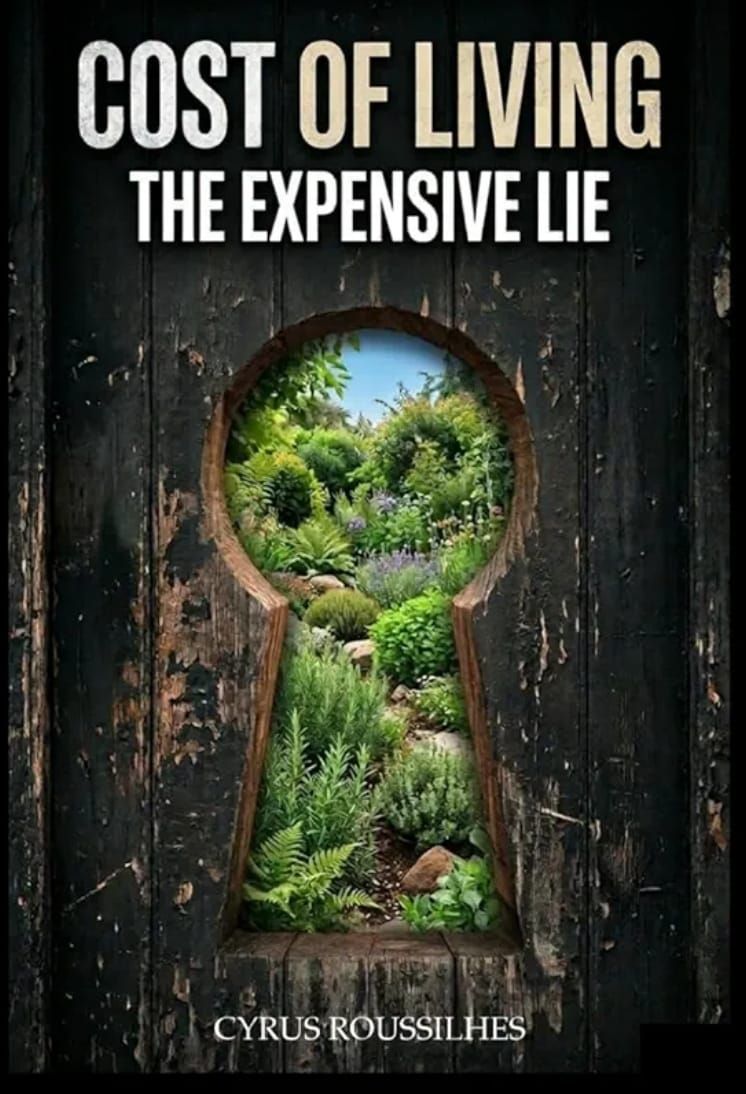
Great news everyone! The book "Cost of Living" has been bulked up and updated. The new edition should be flowing through by the end of August 2026. Or buy here and send a message requesting the latest version.
Living gets pricier every day, but your backyard holds the key to beating the squeeze. Managing your home and garden properly is like running a small home business where you keep all the profits, pay zero tax, and skip the daily commute.
Here is a look at how you can turn your living space into a self-sustaining engine using practical ideas from this table of contents.
Household Bills and Energy
You do not always have to pay full price for home improvements. Many local councils and governments run green schemes that help cover the costs. Programs like treebates, waterwise verge upgrades, and pipe repair rebates put money back into your pocket just for making your block more eco-friendly.
Smart planting also cuts your power bills down. Deciduous trees planted on the sunny side of your house block harsh summer heat to lower aircon costs, then drop their leaves in winter to let the warm sunlight stream in. Out front, green roofs, living vine walls, and dense windbreak hedges protect your home from freezing winter drafts and scorching summer winds.
Water – Our Most Precious Commodity
Water costs add up fast, but you can capture and reuse it easily. Setting up a greywater system lets your laundry wash water keep your fruit trees and lawn green. You can even grow your own natural soaps by planting saponin-rich trees like soapnuts, giving you free, plant-based laundry detergent and body wash right off the branch.
Collecting rainwater in tanks gives you a free supply for dry months, while deep mulching stops the soil drying out so you water far less often. For bigger projects, old swimming pools can be converted into natural swimming ponds or aquaponic setups, giving you fresh fish and vegetables from a closed-loop system.
Electricity and Fuel
Lighting your yard does not need to add to your power bill. Solar garden lights charge all day for free and keep your pathways safe at night without using grid power.
For those interested in hands-on science, home-grown fuel is a real possibility. Plants with high oil content can be processed through transesterification to create homemade biodiesel, powering diesel engines and farm equipment for a fraction of regular pump prices.
Food and Groceries
The grocery store is often the biggest drain on a weekly budget. Growing expensive, fast-spoiling herbs like basil and coriander saves instant cash at the checkout. Planting "cut and come again" greens ensures a steady supply of fresh salad leaves for months from a single patch.
Unusual perennial crops pack a huge punch. Longevity spinach and the moringa tree offer massive nutrient density with minimal effort. You can also pick leaves from common fruit trees like lemon myrtle and citrus to brew fresh teas. Concentrating on high-yield crops, swap-worthy extra produce, and home ferments like kombucha, milk kefir, and ginger beer turns basic kitchen scraps into premium health foods.
Animals fit into this loop too. Backyard chickens, ducks, and quails turn food scraps into rich fertilizer while keeping your kitchen stocked with fresh eggs every morning.
Saving in the Garden
Setting up a productive garden does not mean buying endless plastic bags of soil and fertilizer. Composting your kitchen waste creates rich black gold for free. Combining that with home-brewed worm juice and fermented plant juices gives your crops all the nutrients they need without touching synthetic chemicals.
Instead of buying new stock, multiply your garden for free by saving seeds, taking cuttings, and trying air layering. You can source free woodchips from local arborists for deep mulch, build wicking beds to store water at root level, and fold old newspapers into simple seedling pots.
Health and Wellbeing
A garden is a full-body health hub. Digging, hauling pots, and pulling weeds gives you a proper functional workout in the fresh air, skipping the need for an expensive gym membership. Sitting in a quiet, green space lowers stress and anxiety naturally.
Indoors, hardy houseplants act as living air purifiers. Keeping plants like snake plants, peace lilies, and indoor-friendly trees inside filters toxins out of the air you breathe while boosting your daily mood.
The Power of Flowers
Flowers do far more than just look pretty. Growing your own cutting garden gives you fresh arrangements for your table without the florist price tag. Many common blossoms like nasturtiums, borage, and marigolds are completely edible, adding bright colors and distinct flavors to salads and summer drinks.
Beyond the kitchen, flowers provide natural dyes for fabrics, attract beneficial predatory bugs to protect your veggies, and keep local native bees well-fed.
Learning and Education
Your garden is an outdoor classroom for the whole family. It offers endless free activities for kids, teaching real-world math through plant spacing and yield tracking, and hands-on biology through bug lifecycles and soil health.
Testing soil pH with simple home tests brings science to life. Caring for living plants and watching the natural cycle of the seasons teaches patience, responsibility, and an understanding of the environment that books alone cannot match.
Family and Bonding
Building simple backyard structures—like a sunflower house or a living willow cubby—creates magical spaces for children to play. A messy dig pit keeps kids entertained for hours using just dirt, water, and imagination.
Working together on garden tasks builds strong teamwork across generations. Planting a legacy fruit tree or hosting a garden feast featuring produce everyone helped grow builds lasting family memories around food and nature.
Community and Income
A thriving garden connects you to your local neighborhood. Swapping extra produce, sharing seeds, or building a street garden pantry ensures nothing goes to waste while helping out those living nearby.
Your garden can also bring in extra cash. You can sell surplus fruit, propagate rare plants, or run small skill-sharing workshops in your yard. Growing plants for natural textile dyes or crafting handmade botanical gifts gives you unique, low-cost presents for friends and family.
Taking control of your home resources turns daily chores into a rewarding lifestyle. By growing your own food, saving water, generating natural fertility, and sharing the extra with your community, you build a resilient, healthy home that costs far less to run.