Farmers Guide to Nature Based Easy Growing
Why thirsty plants don’t belong in the foundation of new establishment—and what to grow first instead. The Pioneers.
Got a block full of sun, dust, and stubborn soil? Perfect. That’s exactly what drought-tolerant fruit trees love. If you're sick of dragging hoses and topping up tanks, it's time to stop growing needy plants first and start planting the legends that thrive on tough love. Create the shade first.
These drought-hardened fruit trees don’t just survive—they feed you, fix the soil, bring in birds, and set the stage for something bigger.
Start With the Tough Ones
These are the pioneers. They don’t care if it’s 45°C and dry as toast.
Thorny hedges, nutrient-rich cherries, deep-rooted nut trees, and classic Mediterranean performers all belong here. Once established, these trees need little from you—just space, mulch, and time. They become the foundation of your future forest.
Cover the Ground or Watch It Die
Bare soil is dead soil. Plant ground covers that cool the roots, trap moisture, and feed soil life.
Choose sprawling edibles, bulletproof natives, and moisture-trapping clumpers. Mix in coastal toughies, salt-tolerant creepers, and nitrogen-fixing ground layers. Healthy soil starts with keeping it covered.
Add Some Shrubs for Structure
Shrubs are the backbone. Low-growing, multi-use, and low maintenance, they stabilise soil, block wind, and feed the ecosystem.
Include nitrogen fixers, hedge-formers, flowering natives, and cultural standouts. Think of them as the glue that holds your system together.
It’s Not Just a Garden – It’s a System
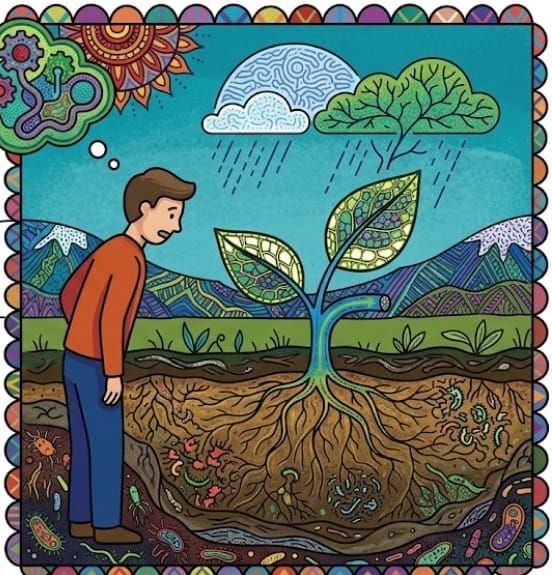
These plants are pioneers. They break up clay, drop leaf mulch, call in fungi, and block the wind so others can grow. These are the bones of a future forest—the kind that waters itself and feeds you with no fuss.
That’s syntropic design. But it starts with the rough-and-ready types. Plant now, shade later.
Skip the princess plants. Choose the ones that laugh at drought and build the future from the ground up.
Living Fences: Edible Windbreaks That Work Hard and Feed You
Block the wind, feed the family, and keep the neighbours guessing what you're growing
Why waste good land on a dead fence when you can build a living one that shades, shelters, and produces?
Living fences do it all: define boundaries, protect fruit trees from wind, offer privacy, and produce food. Some even have thorns to keep out unwanted visitors.
Mix spiky enforcers with fast fillers and climbing vines. Add ground covers below and edible shrubs along the inside edge. Use curved lines, overlap species, and let them grow into each other.
These green walls do more than mark territory—they create thriving edges full of food, shelter, and life.
Fruit Forest Islands: Why Dense Planting Works Better Than Rows
Because nature doesn’t do neat rows—and neither should you
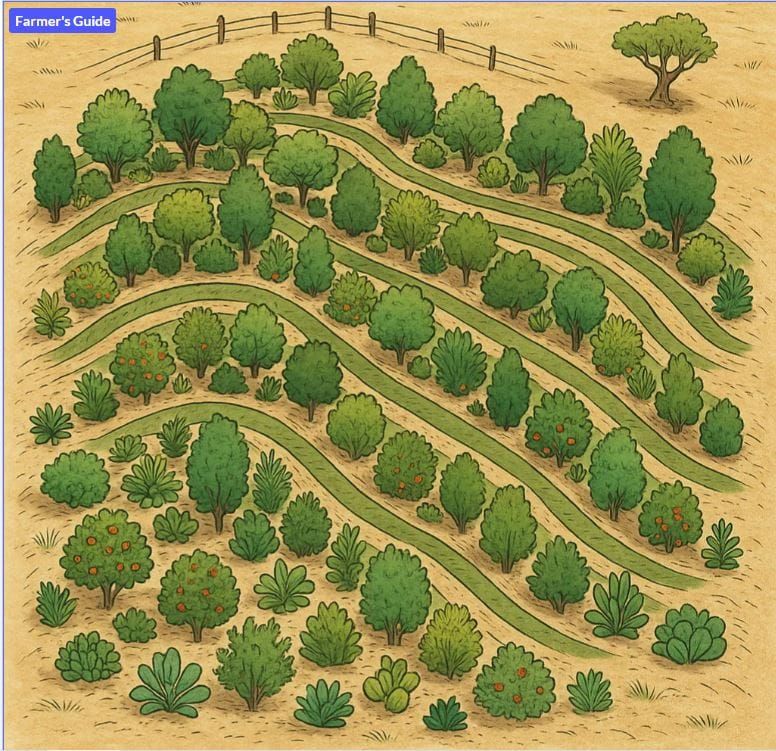
Nature prefers clusters, not lines. Dense planting creates shade, traps moisture, blocks wind, and boosts soil life. That’s why fruit forest islands work.
Plant tall trees in the centre, midsize trees around them, shrubs next, then vines and groundcovers. Fill the middle with logs and mulch. Let everything overlap.
Leave pathways between islands or connect them into a forest. Vary species to boost pollination. Plant densely and let it sprawl.
It looks wild, but it works better. Lower water use, higher diversity, and more food, faster.
Profit From the Paddock: 7 Ways Rare Fruit Trees Can Make You Money
Turn your backyard jungle into a side hustle
Your rare trees can do more than feed you. They can build a business. Here’s how:
Sell trees or cuttings.Sell fruit fresh or processed.Run pick-your-own events.Offer workshops or guided tours.Supply cafes or herbalists.
A tree that gives food, shade, cuttings, and customers? That’s a keeper.
Biofuel Trees: Fruitful Species That Can Power More Than Your Pantry
Because some trees run deeper than dinner
Some trees don’t just feed you—they produce fuel, soap, shade, pest deterrents, and animal fodder. Mix them into your outer zones. Use them as windbreaks, shade lines, or biomass producers.
When fuel prices rise or power fails, these trees become your backup.
Wildlife Friendly, Human Tasty: Trees That Attract Birds and Still Feed You
Because sharing fruit doesn’t mean going hungry
The right trees bring in pollinators, keep pests down, and feed the birds and you.
Mix early-dropping fruit trees with dense shrubs and decoy species. Add flowers and fragrant herbs. Overplant to reduce pressure. A buzzing, chirping, shaded garden is a healthy one.
The Final Push: Soil Fixers, Climate Survivors, Hillside Heroes, Bush Tucker Gold, and a Year-Round Feast
Because your land should work with you, not against you
Plant trees that feed the soil, survive harsh weather, thrive on slopes, and bring native flavour.
Choose nitrogen fixers, drought-hardy species, erosion controllers, and seasonal producers. Plan your calendar for staggered harvests. Stack them in layers, mulch deep, and avoid straight lines.
This is how you build a self-watering, low-work, year-round food system.
Appointments available at Primal Fruits Perth. Rare stock. Limited numbers.
Keywords: drought tolerant fruit trees, edible hedge, food forest WA, syntropic design, bush tucker, low maintenance orchard, rare fruit trees Australia