Giant Button Mangosteen
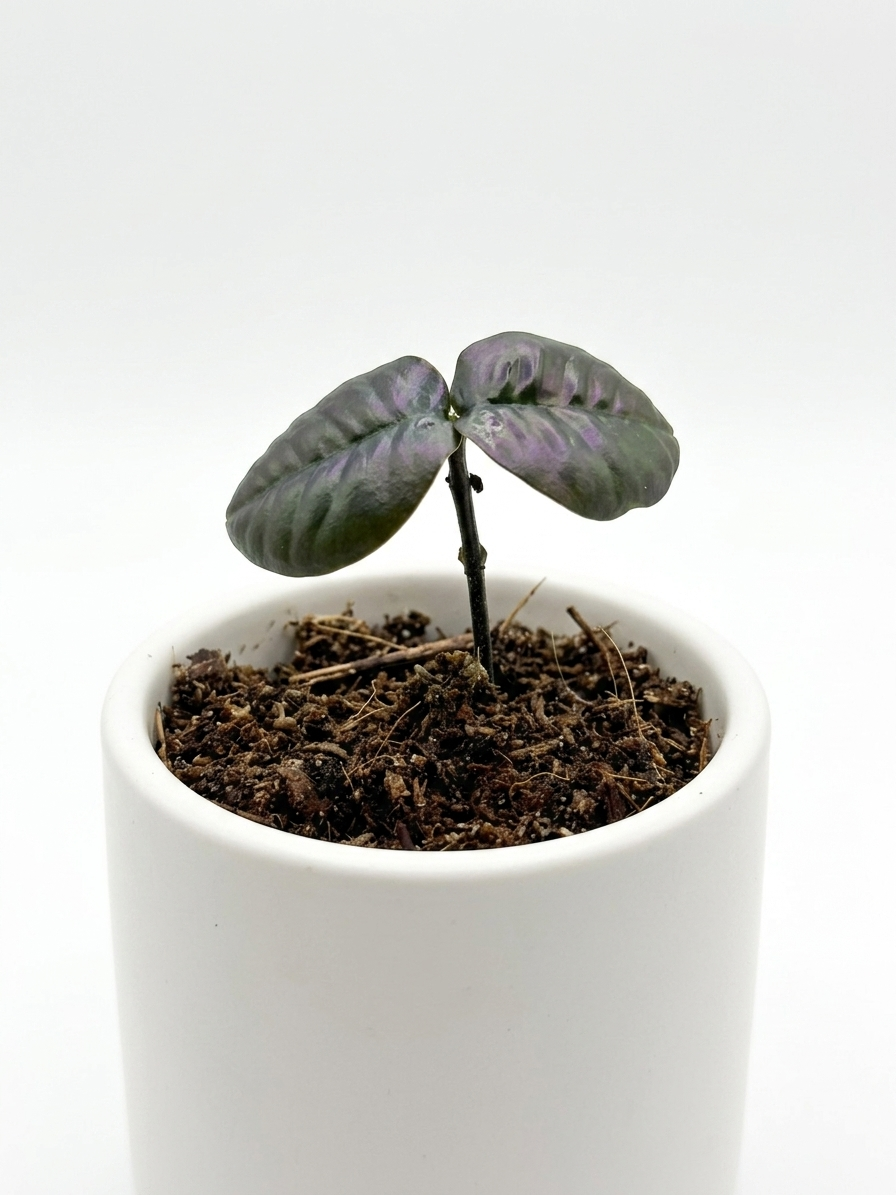
Let us talk about the button mangosteen, known botanically as Garcinia prainiana, or cherapu in parts of Southeast Asia.
It is a worthy addition in Perth for all the tropical collectors. A delicious alternative to its famous relative, the purple mangosteen.
It is a good choice for a shaded Perth garden, perfect if you are looking to squeeze in a small, exotic beauty that appreciates a warm, greenhouse-style shelter in winter.
The most critical thing you need to know before planting one is that this species is officially classed as dioecious. That is a fancy scientific way of saying it has separate male and female trees. To guarantee a proper crop, you usually need both a boy plant and a girl plant living in the same garden. You will see growers debate this online because isolated female trees occasionally set fruit on their own through apomixis, or throw out the odd self-pollinating flower. But relying on that is a gamble.
The strong consensus among experienced growers is that you definitely want a pair. When you sprout seeds, you will get a mixed bag of sexes, so you need to germinate a few and hope luck gives you at least one of each.
Because its core genetics are dioecious, seeds taken from a female plant pollinated by a male will always yield a mix of male and female saplings.
There are 2 shortcuts in nature to guaranteed fruit by a single plant. 1st, buying a grafted self fertile tree and 2nd by germinating a button mangosteen from seed of a self-fertile tree.
If you save seeds from a button mangosteen that managed to fruit all by itself, your chances of getting another fruit-bearing tree are way higher than the usual toss-up.
It comes down to two sneaky tricks the tree uses to reproduce.
Plant Cloning (Apomixis) is the most common reason a single Garcinia tree fruits. The female tree basically decides it does not need a male plant and creates seeds that are exact genetic copies of itself.
If your tree does this, every single seed it drops is a mini-clone of the mother plant. That means 100% of those seedlings will grow up to be fruiting females.
Sometimes a tree that is supposed to be female will grow a few special flowers that have both boy and girl parts, allowing it to pollinate itself.
Because there is no separate male tree involved in making the seed, there are no purely male genetic inputs being tossed into the mix.
The seeds end up heavily stacked with female genetics. So instead of a standard half-male, half-female split, almost all the seedlings will grow up to be fruiting females or self-pollinating trees.
Either way, if you get seeds from a single tree that fruits on its own, you are vastly more likely to get a fruiting tree than if you planted random seeds from a wild pair. Guess what! That is what Primal Fruits has going right now! Check out the listing.
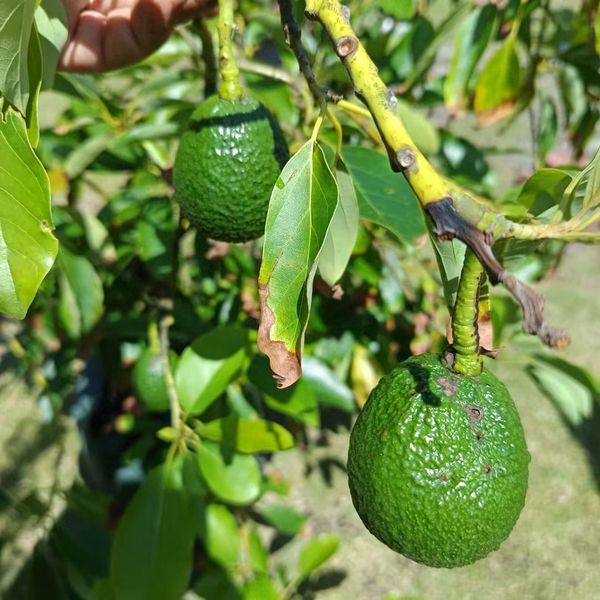
You might hear whispers about giant button mangosteens among rare fruit collectors. While it is not an official registered cultivar, a wild variation exists in the Sulu Islands that produces fruit over 7cm across with a thicker rind and a sharper, more acidic taste.
The standard button mangosteen is much smaller, usually measuring 3-5 cm wide, which is roughly the size of a big cherry tomato or a large grape. They have a distinctly flattened shape that gives them their cute button name.
You guessed, it the self-fertile ones at Primal Fruits are Giant!
This species is a member of the massive Garcinia genus. Its most famous cousin is the purple mangosteen, Garcinia mangostana. It also shares family ties with gamboge, Garcinia xanthochymus, and kandis, Garcinia cowa.
They all love warm conditions and share similar growing habits. In fact, clever propagators use the tough button mangosteen as rootstock to graft the fussy purple mangosteen onto, giving it a much stronger base. Great for places like Broome and Kununurra.
When it comes to taste, the button mangosteen is an absolute winner.
The flavour is similar to a purple mangosteen, but lighter, brighter, and more "citrus" refreshing.
It is not overly rich or heavy. Instead, it hits you with a sweet and sour balance and a zesty tang that tastes like a juicy tangerine. Orange you glad you do not need a heavy knife to open it.
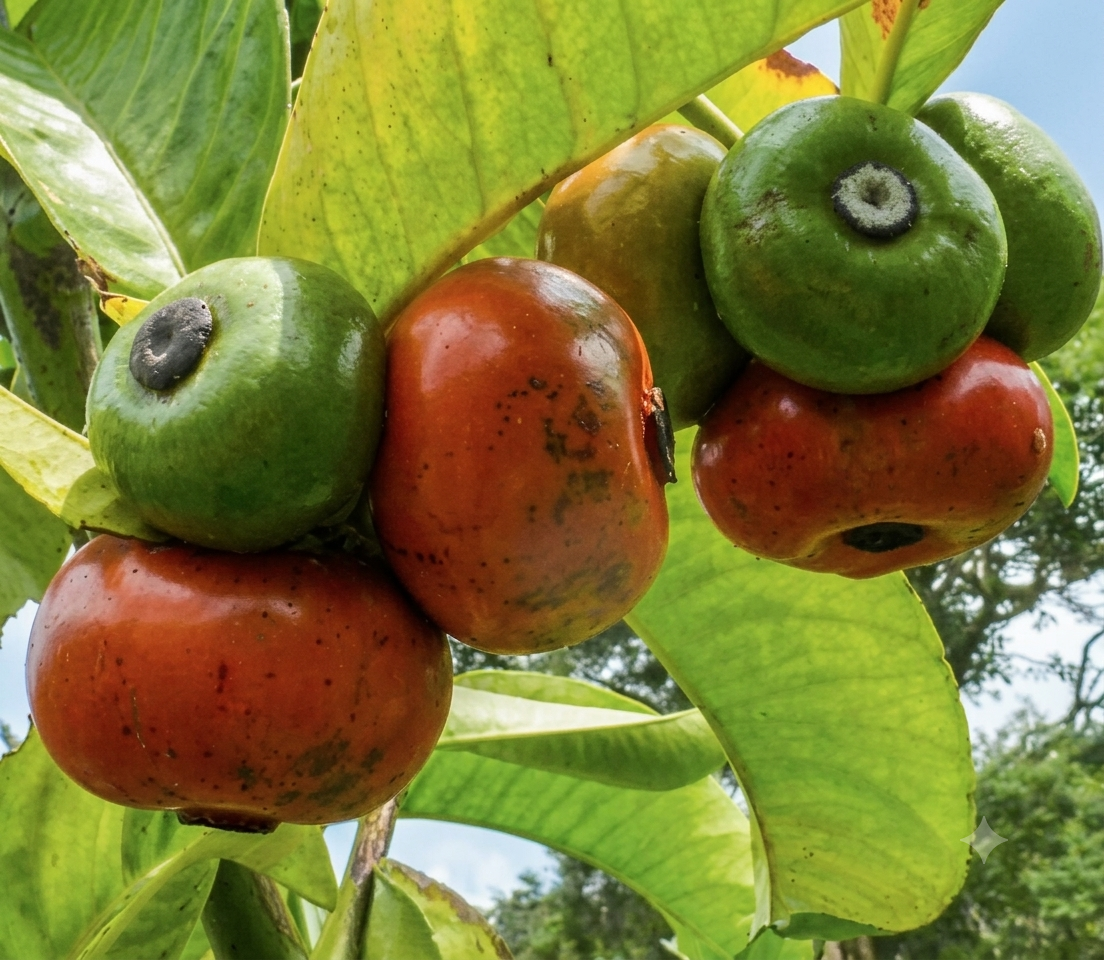
Unlike the rock-hard shell of a purple mangosteen, the cherapu has a paper-thin skin. You can bite straight through it or peel it off with your fingers to reach the soft, orange flesh inside. It is honestly un-peel-ievable how good a thirst-quencher it is on a hot summer afternoon.
Growing this tree in Perth takes a little bit of planning. It is a borderline subtropical/tropical species that hates frost and is almost just as sensitive to cold snaps as the purple mangosteen.
It craves a warm, humid climate like Far North WA, matching tropical and subtropical coastal Australia. Young saplings are very sensitive to harsh direct sun and need partial shade to prevent severe sunburn and dieback, making them perfect for understorey spots in Perth where tough sun would otherwise crisp them.
As they mature and grow taller, they handle more direct light and bring shade outside in mild winter.
They perform best in rich, organic, well-draining soil with consistent moisture.
Interestingly, mature trees are surprisingly tough in their native habitat and can tolerate brief flooding or dry spells without dying.
The best news for backyard gardeners in cooler regions or microclimates is that this tree is brilliant in a pot.
It can flower and set fruit when it is only 60cm tall in a 12-litre container.
When winter cold snaps threaten, you can simply wheel your potted tree into a greenhouse or warm spot so the cold weather does not freeze your dream tree. Usually from June to September.
You will need a good dose of patience because these trees grow very slowly.
A seedling tree can take around 6 -12 years to fruit.
The silver lining is that they will tease you by producing pretty flowers when they are under a metre tall, long before the fruit arrives. Once your tree reaches maturity, it can crop multiple times throughout the year, making every single year of waiting completely worth it.
Research -self fertility in Garcinia
Here are key research papers that look directly into reproduction, apomixis, and seed genetic inheritance in Garcinia species, including the button mangosteen:
Insights into the Mode of Reproduction of Garcinia prainiana (Rohani et al.) This study specifically tested Garcinia prainiana trees using genetic markers, pollen checks, and ovule development. It showed that while the trees can reproduce sexually, they also share apomictic traits, leading to high genetic variation when cross-pollinated or clonal seeds when setting fruit without pollen.
Apomixis and Sexual Systems in Various Species of Garcinia with Special Reference to Garcinia Indica (Shinde et al.) This comprehensive review documents how dioecious Garcinia species, including Garcinia prainiana and Garcinia indica, undergo facultative apomixis. It confirms that female trees can switch between sexual seed production and producing maternal clonal seeds without male pollen.
Reproductive Biology of Several Garcinia Species of Agricultural Importance in Malaysia (Midin et al.) This paper examines the flowering biology, pollen viability, and apomictic seed formation across Malaysian Garcinia species, contrasting obligate apomicts with facultative apomictic species like Garcinia prainiana.
Study of the Mode of Reproduction and Fruit Development in Garcinia Indica (Kulkarni et al.) This research used molecular DNA markers on seedling crops from selfing female trees. It proved that the vast majority of seedlings inherit the exact DNA banding patterns of the mother tree through apomixis rather than splitting sex traits evenly like standard sexual seeds.