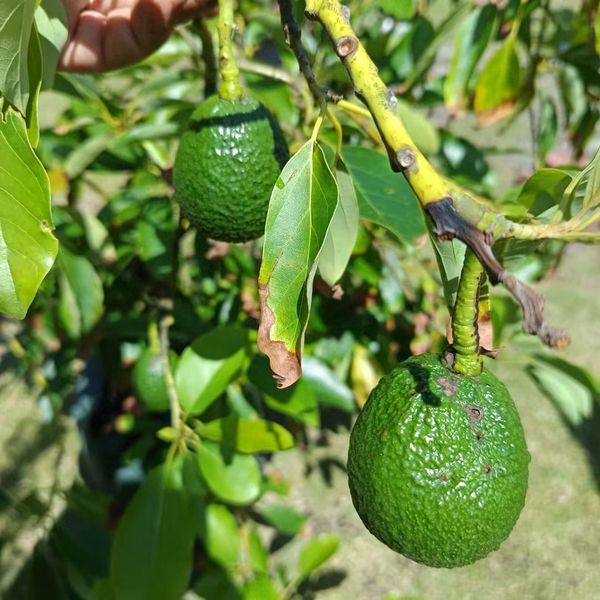
Lucuma, cousin of Yellow Sapote
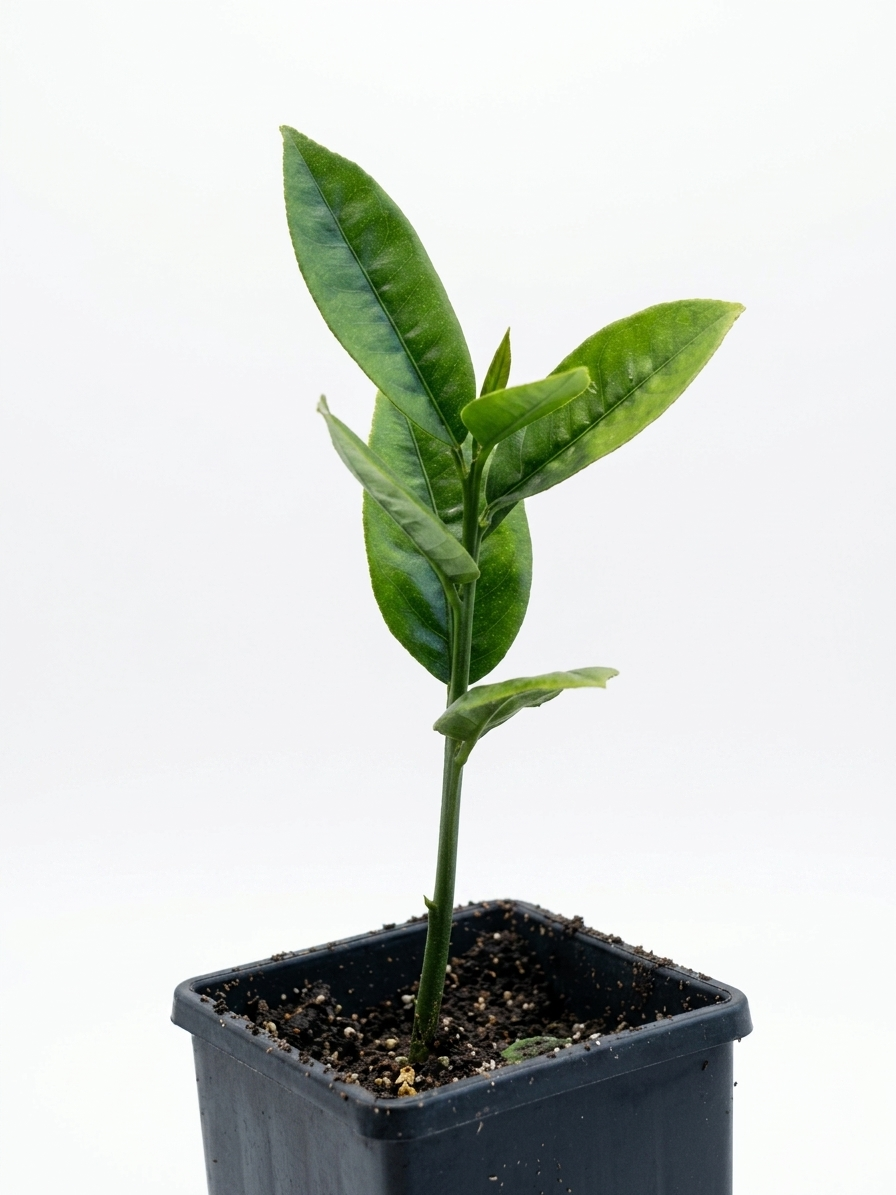
Botanical Name: Pouteria lucuma Common Names: Lucuma, Lucmo
Lucuma is a rare fruit tree that grows well in Perth and cooler parts of WA.
The fruit tastes like a mix of creamy caramel, butterscotch, and maple syrup.
It is the most popular ice cream flavour in Peru and Chile. It is perfect for Perth backyard growers who want a unique, sweet fruit that no one else has ... in 2026 anyways.
Features: Ideal prune height range: 4-6m pH growing conditions: 6.5 to 7.5 Shade or full sun: Full sun after 6 years, but shade young trees from hot afternoon sun. Minimum pot year 5: 70L pot. Time to fruit age: 7-10 years from seed.
Lucuma trees are tough and handle the Perth heat and dry weather well once established. The fruit has a dry, starchy-sweet, custardy texture. It is awesome for blending into smoothies, ice cream, and cheesecakes as a healthy sweetener. The tree likes well-drained, sandy loam soil and fits right into a warm backyard. Interesting Notes: Lucuma is known as a superfood because it is packed with antioxidants, fibre, and B vitamins. The dry fruit is often turned into a powder to use instead of sugar. This tree is a top choice for rare fruit collectors who want to grow something completely different.
There's been several notable scientific understandings uncovered too.
Blood sugar control
Studies show that lucuma fruit helps block specific enzymes that cause blood sugar spikes. Because it is packed with complex carbohydrates and soluble fibre, it releases energy slowly. This makes it a great low-GI choice for managing type 2 diabetes and stopping sugar cravings.
Blood pressure support
Lab tests have revealed that lucuma has strong natural properties that can help lower high blood pressure. Researchers are looking into it as a simple, food-based way to support heart health.
Skin and wound healing
Research shows that oil extracted from lucuma seeds and skin helps the skin heal faster. It turns on the body's natural healing factors, which has made it very popular for skin regeneration and skincare products.
High antioxidant levels
Scientists have found that both the pulp and the skin are full of top-quality antioxidants, including polyphenols and carotenoids. These compounds fight off cell damage in the body, which helps lower the risk of chronic health issues like heart disease.
Gut health and digestion
Lucuma contains a lot of insoluble fibre, which adds bulk to your stool and keeps your digestion moving smoothly to prevent constipation. It also has soluble fibre that feeds the good bacteria in your gut to keep your immune system strong.
Related fruit trees and the mystery of Kona
Lucuma belongs to the Sapotaceae family and sits in the Pouteria genus. It is closely related to other famous tropical fruits like the abiu, mamey sapote, and green sapote. It is also a very close cousin to the canistel, which is often called the yellow sapote or eggfruit.
Kona yellow Sapote is often confused as a lucuma.
That mix-up makes total sense because they are incredibly close cousins. Botanically, the canistel (yellow sapote) was originally classified as Lucuma campechiana before scientists moved it into the Pouteria genus.
The Kona variety is definitely a canistel (Pouteria campechiana), but because it stays green on the outside and has that distinct dry, maple-flavoured flesh, people constantly mistake it for a true lucuma (Pouteria lucuma). They look and taste so similar that even seasoned growers debate the names.
Unlike some other yellow sapotes, Kona that have a bright yellow or orange exterior, Kona produces round or oval fruits that keep a green skin even when fully ripe. Inside, it has bright yellow, dry flesh that is incredibly sweet with a distinct maple syrup aftertaste, making it highly popular in South America for drying and turning into powder.
There are many varieties of lucuma and are broadly grouped into two main types based on the texture of the flesh: lucuma seda (silk or wet) and lucuma palo (wood or dry).
The lucuma seda types have a softer, smoother, and slightly moister pulp that makes them better suited for eating fresh out of hand. The lucuma palo types are much drier, starchy, and floury, which makes them the absolute best choice for dehydration and milling into a fine sweetener powder. While there are dozens of local ecotypes and selections grown throughout the Andean valleys, they all fall under these two wet and dry categories. In Australia we have both but most are dry.
Here is a simple way to turn your ripe lucuma fruit into a healthy, sweet powder.
Lucuma Sweetener Powder
What You Need
- Ripe lucuma fruits
- A sharp knife
- A food dehydrator or an oven set to the lowest heat
- A high-powered blender or spice grinder
Step by Step
- Prep the fruit
Slice the ripe lucuma fruits in half. Scrape out the large seeds and peel away the skin. - Slice it thin
Cut the yellow, custardy flesh into very thin slices. The thinner you slice them, the faster and more evenly they will dry out. - Dry it out
Lay the slices out in a single layer on your dehydrator trays. If you are using an oven, place them on a baking tray lined with baking paper. Dry them at a low heat until the pieces are completely hard and snap easily when bent. Any leftover moisture will ruin the powder. - Blend into powder
Toss the completely dry fruit pieces into your blender or spice grinder. Blitz on high until it turns into a fine, golden-yellow powder. - Store it right
Pour the powder into a clean, airtight glass jar. Store it in a cool, dark cupboard to keep it fresh.
How to Use It
This homemade powder has a rich caramel and butterscotch flavour. You can use it as a healthy sugar substitute by stirring it into your morning coffee, shaking it into smoothies, or mixing it into baking batters and raw cheesecakes.
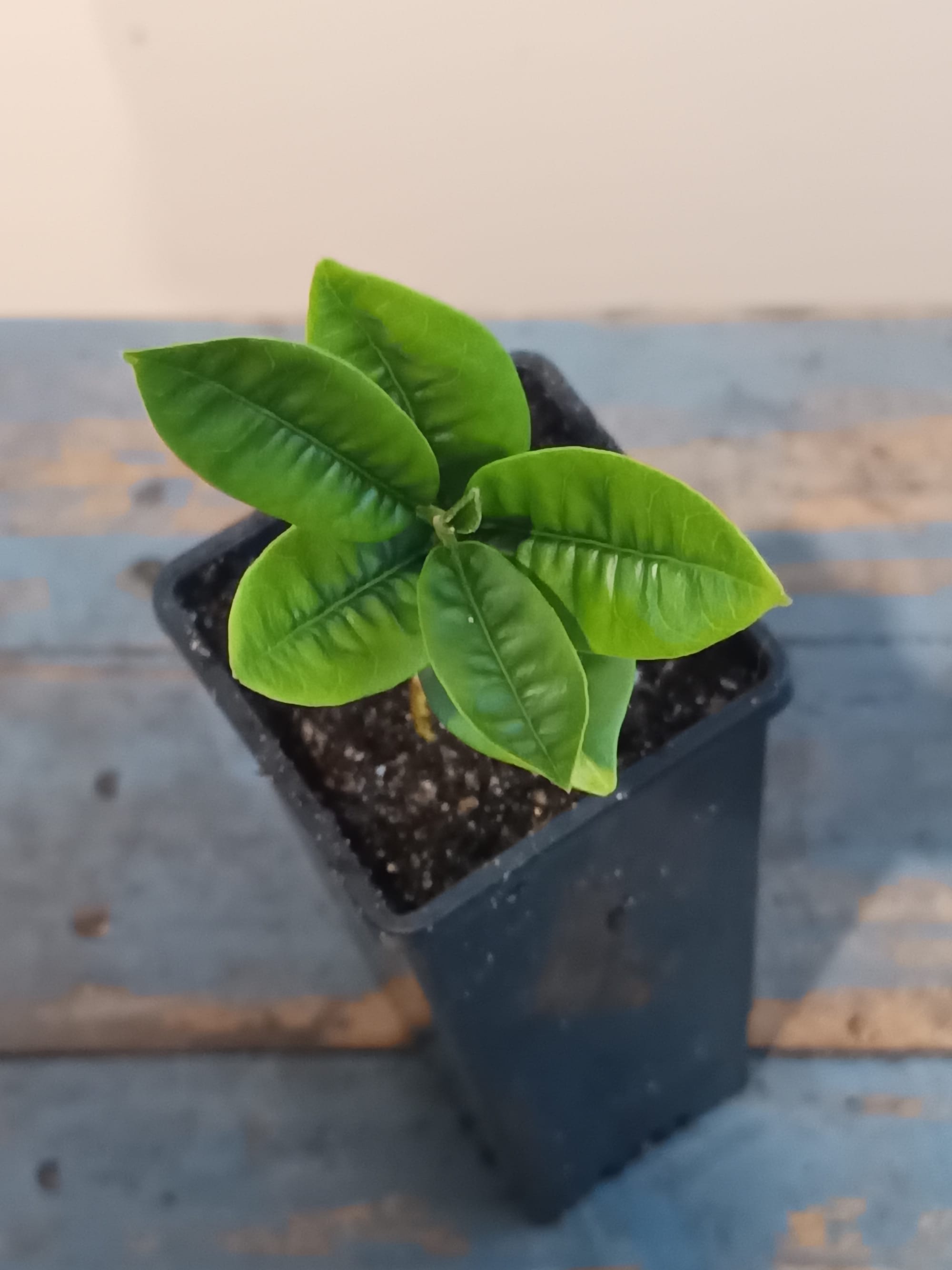
$30 - can post (WA only)
Keywords: Lucuma, Pouteria lucuma, rare fruit tree, tropical fruit tree Perth, superfood, caramel fruit, exotic fruit tree, Gold of the Incas