Luma apiculata: The Sacred Tree of the Mapuche
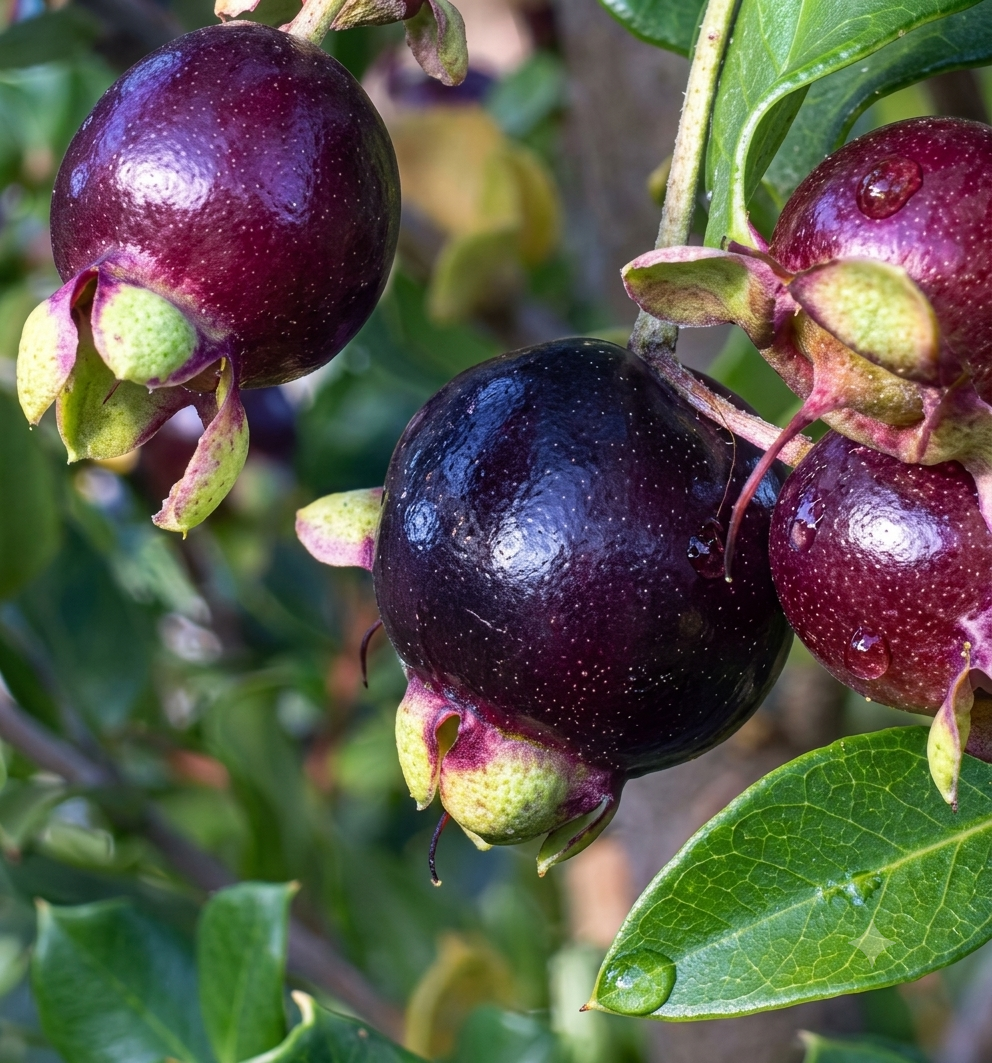
Luma apiculata, known as Chilean myrtle, arrayan, or temu in the Mapuche language, is an evergreen tree native to the Valdivian rainforests of Chile and Argentina.
Primal Fruits just got a first batch, took years of searching!
It is famous for its peeling cinnamon-orange bark that exposes a smooth, pale cream trunk beneath.
Botanist Augustin Pyramus de Candolle first described it in 1828 as Eugenia apiculata. Nineteenth-century botanists grouped many myrtle family plants into the Eugenia genus based on basic flower shapes.
Later research showed distinct differences in seeds and bark, leading German botanist Karl Ewald Maximilian Burret to move it to the genus Luma in 1941. In the wild, this long-lived tree can reach 10+ m tall, though it usually grows to between 3-8m in cultivation and very easy to maintain as a 2-3m hedging fence.
It has small, dark green leaves with pointed tips that release a spicy scent when crushed. In summer, it produces fragrant white flowers, followed by dark purple-black berries in autumn. Strangely, even though this spieces has been in WA for decades no one has ever commented on fruit!
Not drought-tolerant and needs reliable moisture to thrive. It grows best in moist, well-drained, slightly acidic soils in full sun to semi-shade. In warm climates, it needs protection from hot, dry winds and summer heatwaves, along with regular watering. It tolerates frosts down to about -8c.
The small berries are sweet and juicy with an earthy, fig-like flavour. They are packed with natural pectin, making them ideal for jams, jellies, and syrups.
The indigenous Mapuche people traditionally ate the berries fresh, fermented them into drinks, and brewed the leaves and inner bark for herbal remedies.
The Mapuche hold the tree sacred, valuing its dense, heavy timber for crafting durable tools and digging sticks. Modern scientific studies have confirmed that extracts from the leaves and fruit contain high levels of antioxidants and antibacterial compounds, supporting its long history in traditional medicine. Arrayan makes an outstanding screen or formal hedge because it handles regular clipping well. It produces a dense, glossy screen faster than boxwood while still displaying its striking orange and white bark on mature lower stems.
The leaves make a tasty, aromatic herbal tea. It has been used for centuries in South America for both flavour and natural remedies.
The brewed tea has a clean, eucalyptus-like aroma with sweet, spicy undertones. It tastes fresh, slightly piney, and mildly astringent, similar to standard myrtle or sweet gale tea.
- Digestive aid: Traditional folk medicine uses the infusion to soothe upset stomachs, reduce bloating, and ease intestinal cramps.
- Respiratory support: The essential oils in the leaves (rich in cineole and terpenes) act as a mild decongestant to help clear airways during colds.
- Antimicrobial & Anti-inflammatory: Rich in polyphenols and flavonoids that help combat local inflammation and bacterial growth.
- Astringent: Historically used as an oral rinse for sore gums or mouth ulcers.
How to Prepare
- Fresh or dried: Use 1 to 2 teaspoons of crushed dried leaves (or a small sprig of fresh leaves) per cup of hot water.
- Steep: Pour boiling water over the leaves and cover the cup.
- Time: Let it steep for 5 to 8 minutes. Steeping too long can make it overly astringent due to the tannins.
- Strain: Remove the leaves before drinking. Add honey or lemon if desired.
In summary an eye-catching specimen tree in home gardens, offering summer flowers for pollinators, edible autumn fruit, and year-round visual appeal through its twisted trunk and vibrant bark.
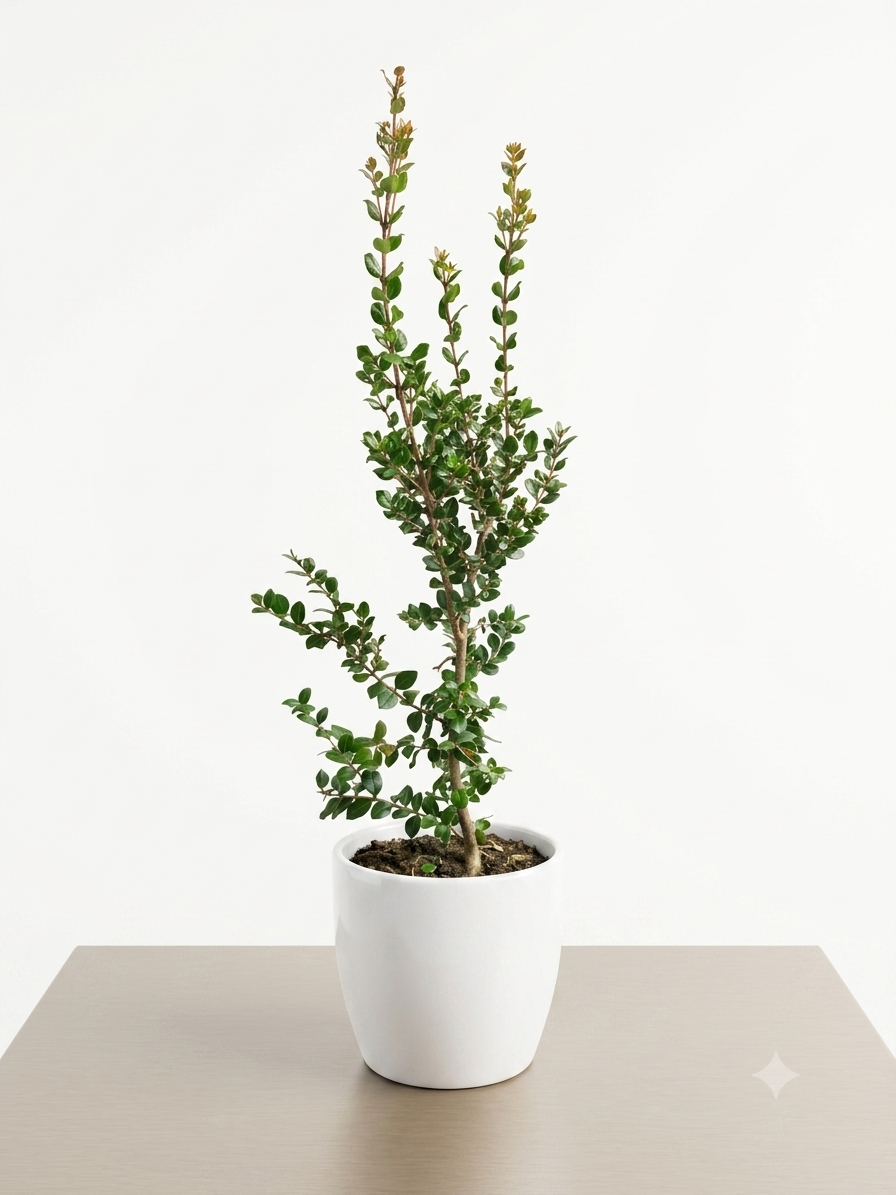
Luma Berry Tree - $50