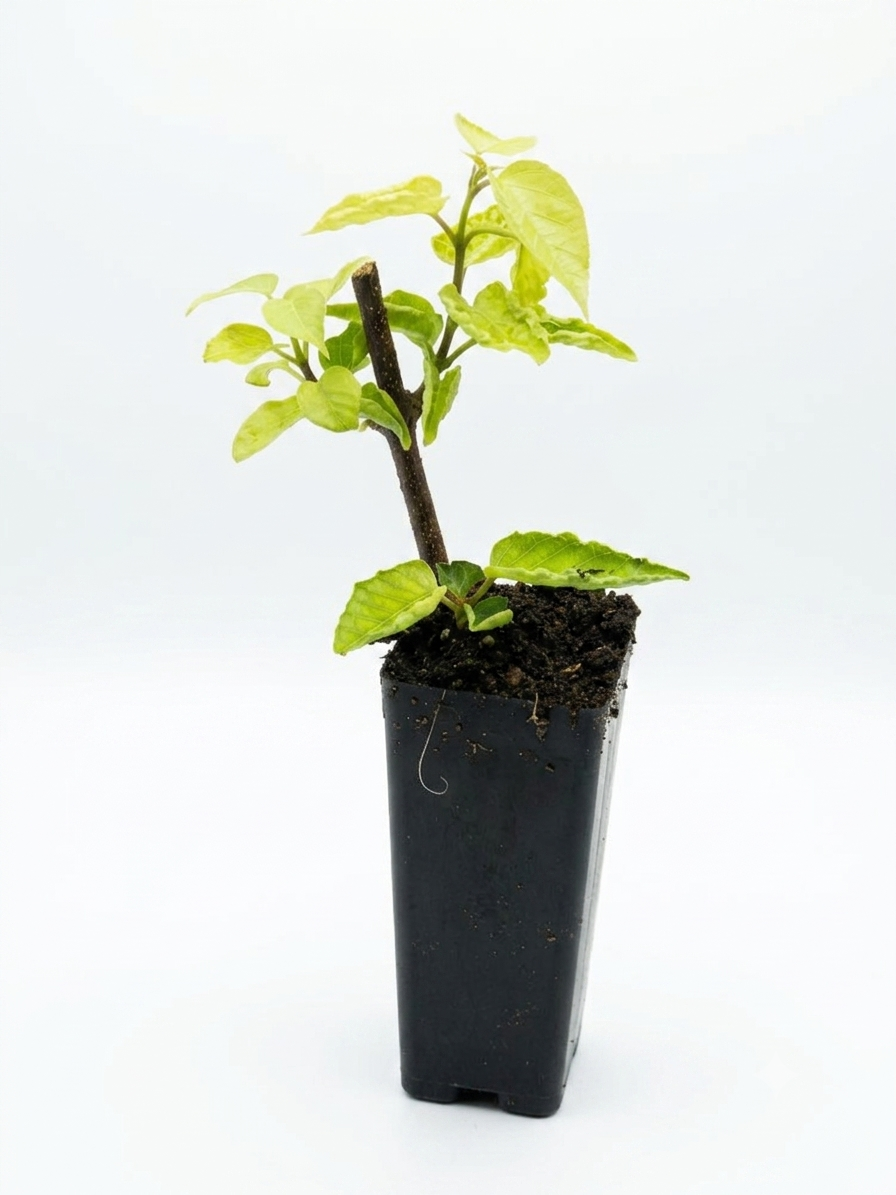
Premna - a hedging, edible shrub from the mint family
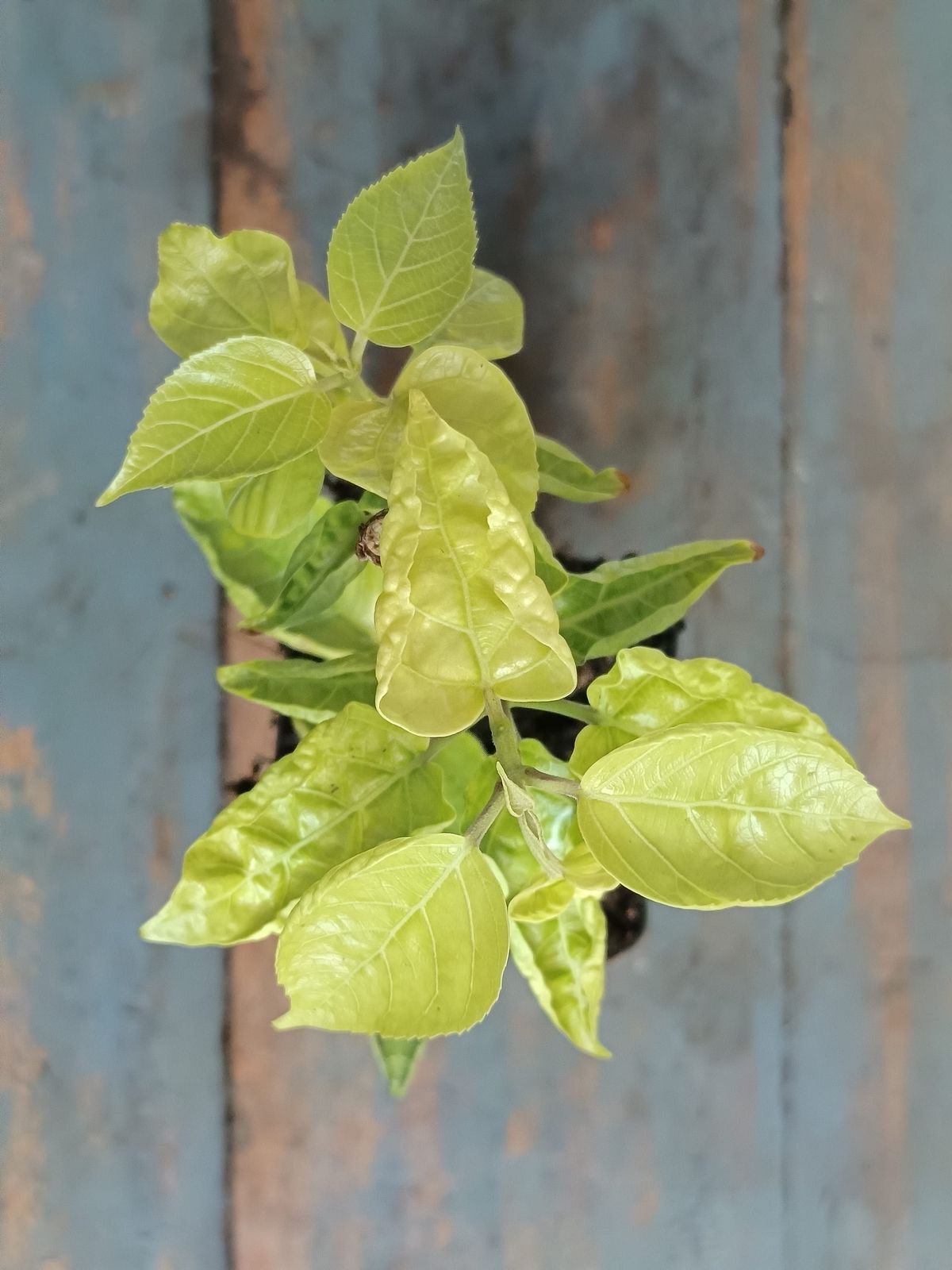
Premna serratifolia is a super tough coastal shrub native to Australia, India, and Asia. People call it the Headache Tree, Coastal Premna, False Elder, or Black Premna. It loves the heat, sandy soil, and salty sea air.
Its strong roots are great at holding loose sand together on sloped ground.
This plant grows fast, reaching between 2-4m tall.
It has shiny green leaves, clusters of white summer flowers, and small black berries. The edible part are the young leaves.
The flowers are a massive hit with native bees, butterflies, and helpful wasps, while local birds love to feast on the berries. Because it handles brutal sea winds without getting burnt, it makes a brilliant frontline shield for coastal gardens. It is also a favorite for bonsai lovers because the wood is so easy to bend.
The leaves are popular in Vietnamese cooking. Called Cây Lá Cách. People slice them thin for beef stir-fries to take away strong meat smells, or use them as fresh wraps. They taste slightly bitter and clean.
In India, the plant is called Agnimantha. The roots are highly valued in Ayurveda as part of a famous ten-root medicine called Dashamoola.
People use it to treat joint pain, muscle aches, swelling, and stomach bloating. Modern science shows the leaves and roots really do help ease pain, fight swelling, and kill bad germs.
Premna is easy to grow in Perth if you keep it out of the winter cold. It loves our sandy soil because it drains really fast. If you want to grow it in a pot, grab a big one that holds at least 30L and use a good quality potting mix.
Put your plant in a sunny spot. It loves the heat but can get a bit scorched by the harsh afternoon sun when it is young, so some afternoon shade helps. Water it regularly when it is warm, but let it dry out a bit in winter so the roots do not rot. Since it is a tropical plant, it hates frost. Keep it in a warm, sheltered spot away from cold winter winds. Outside is fine if over 1m tall.
Give it a light trim in spring to keep it bushy and feed it with some organic fertiliser once a month when it is actively growing.