The Easiest Brazil Cherry to Grow
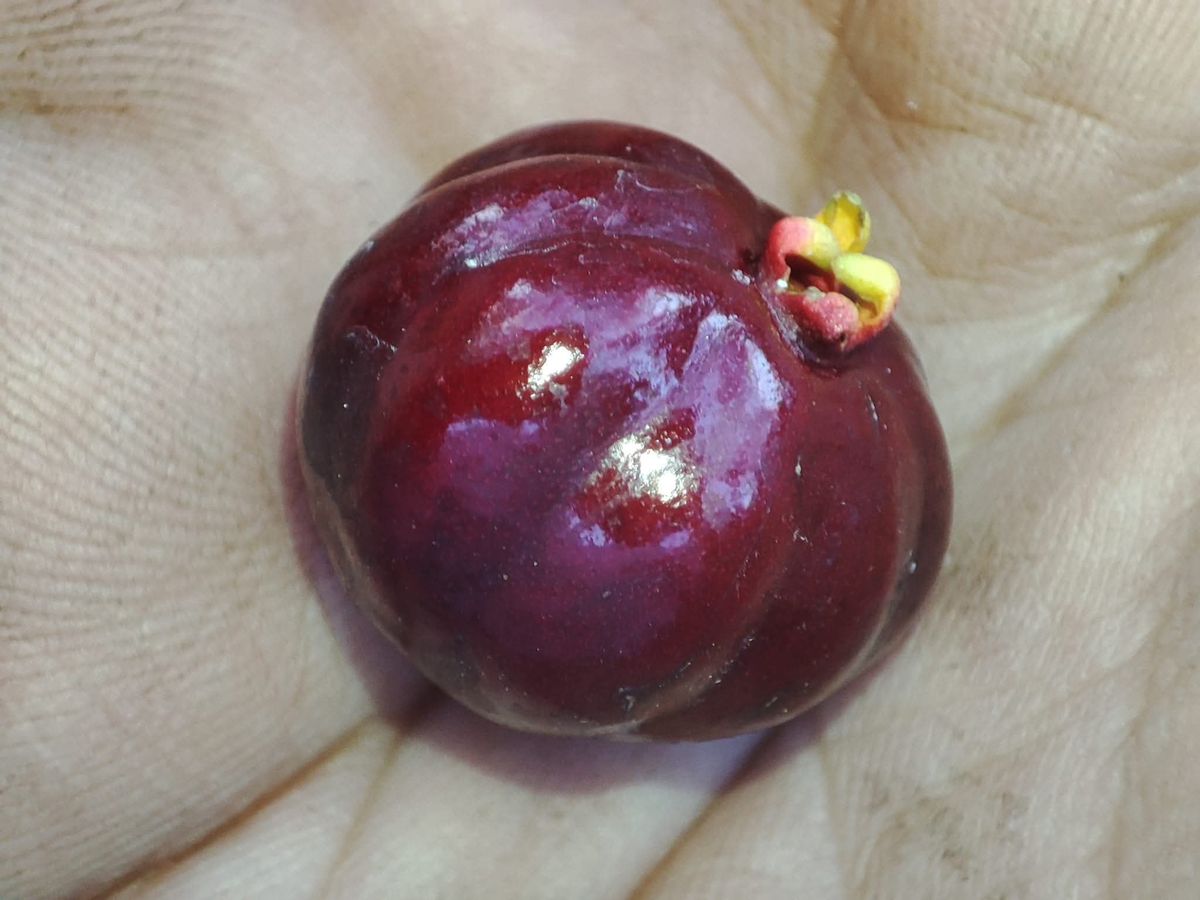
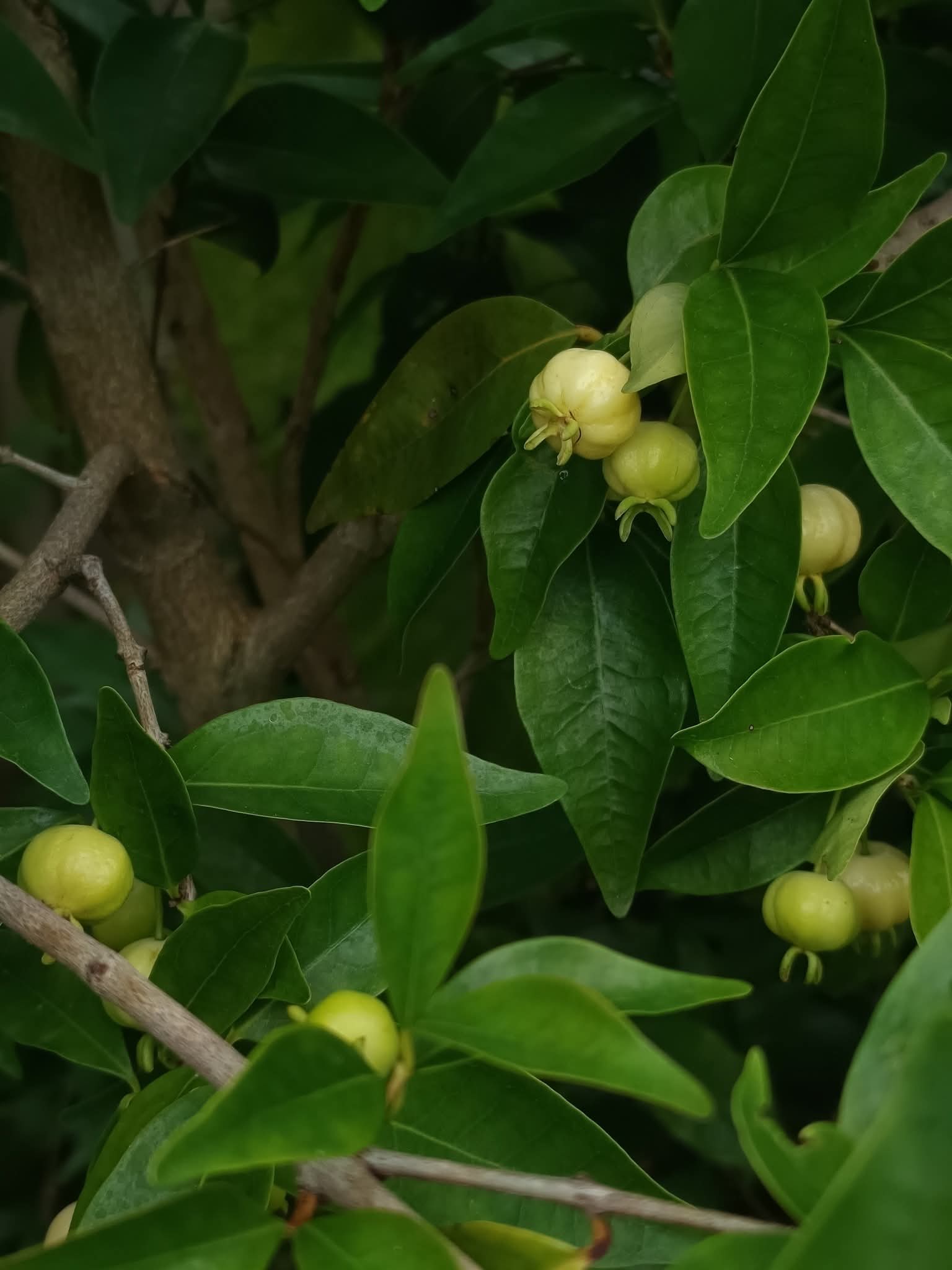
Surinam cherry (Eugenia uniflora) is one of the toughest subtropicals to grow in Perth. Also those that have seen it before tend to not fully value the benefits this tree brings.
Also known as Pitanga and Brazil cherry, this South American native handles hot conditions, looks great as a hedge, and pumps out unique ribbed fruit.
Key Cultivars
- Lolita: Famous for sweet, dark black-purple fruit with low resinous tang. Excellent eating fresh.
- Zill Dark: Deep red to black fruit, sweet flavour profile, very productive.
- Vermillion: Classic bright red fruit, sharp and tangy, perfect for preserves and syrups. Not seen in Perth yet.
- Black Star: Very dark maroon skin, rich sweet flavor, highly sought after by rare fruit growers. On the primal fruits website.
- Black Beauty: Deep gloss maroon-to-black fruit with high sweetness and virtually no resinous bite. Most popular sold on primal site.
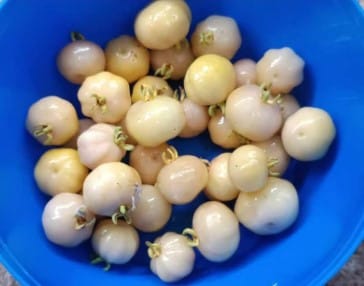
- Nude: Rare pigment-mutated type with pale yellow or white skin that often tricks birds and offers a very mild, sweet taste. Debatable if seen in Perth.
- Regina: Highly prized Portuguese selection producing exceptionally large, deep maroon/purple-to-black fruit with an extremely sweet, rich flavour and minimal resinous tang.
- Honey White: a fully white, sometimes with a touch of pink. Taste like honey lemonade. Small fruiting, dwarf trees, very productive.
Ease of Growing in Perth
They thrive in local conditions once established. They take full heat, handle coastal winds, and tolerate poor sandy soil, though adding compost and keeping up summer water will boost crop size. Young plants need frost protection in inland suburbs, but mature trees are easy. Cold tolerance around -4c.
Grafting & Rootstock Compatibility
Eugenia uniflora works best as its own rootstock. Seedling uniflora stocks take scions of named cultivars like Lolita or Zill Dark via cleft or whip-and-tongue grafting. Some growers use uniflora as rootstock for other compatible Eugenias, though inter-species compatibility varies widely, so sticking to uniflora-on-uniflora is the safest bet for high success rates.
Success is debatable as even within the same genus, delayed incompatibility is common—where a graft takes for 1–2 years before failing at the union under heavy fruit load or heat stress.
Uniflora wood is notoriously hard and stiff with thin, easily shredded bark. Standard chip budding has a very low success rate. Top-cleft or side-veneer grafts wrapped completely in grafting tape during active spring growth flushes yield the best results.
Success has been reported with pitomba, pitangatuba, and Rio Grande cherry.
Seed, Cuttings & Genetic Variability
Seed: Germinates easily in 3 to 4 weeks when fresh. Seedlings show high genetic variability—fruit size, sweetness, and croppings can shift wildy from the parent plant. Standard red is the dominant genetic trait, so growing out black-fruited seeds can be a lottery, often produces dark red-fruited trees unless line-bred for generations.
Cuttings: Semi-hardwood cuttings strike under high humidity with bottom heat and IBA hormone, but take time. Grafting or seed is usually preferred for speed.
Fruiting Frequency: Standard trees usually set 1 to 2 crops a year, but superior selection trees can throw up to 10 distinct flowering flushes nearly year-round in microclimates.
Medicinal Uses of Bark
Traditional medicine uses the bark for its astringent and anti-inflammatory tannins. Decoctions of the bark are used to treat diarrhea, reduce fever, and soothe digestive upsets.
Leaves & Natural Insect Repellent
The crushed leaves release essential oils rich in cineole and resinous aromatic compounds. Crushing and scattering fresh leaves on outdoor ground surfaces releases oils that act as a natural fly and mosquito deterrent. Leaf teas are also used traditionally to reduce blood pressure.
This red pitanga fruits 10 months of the year.