The Easiest peppercorn to grow
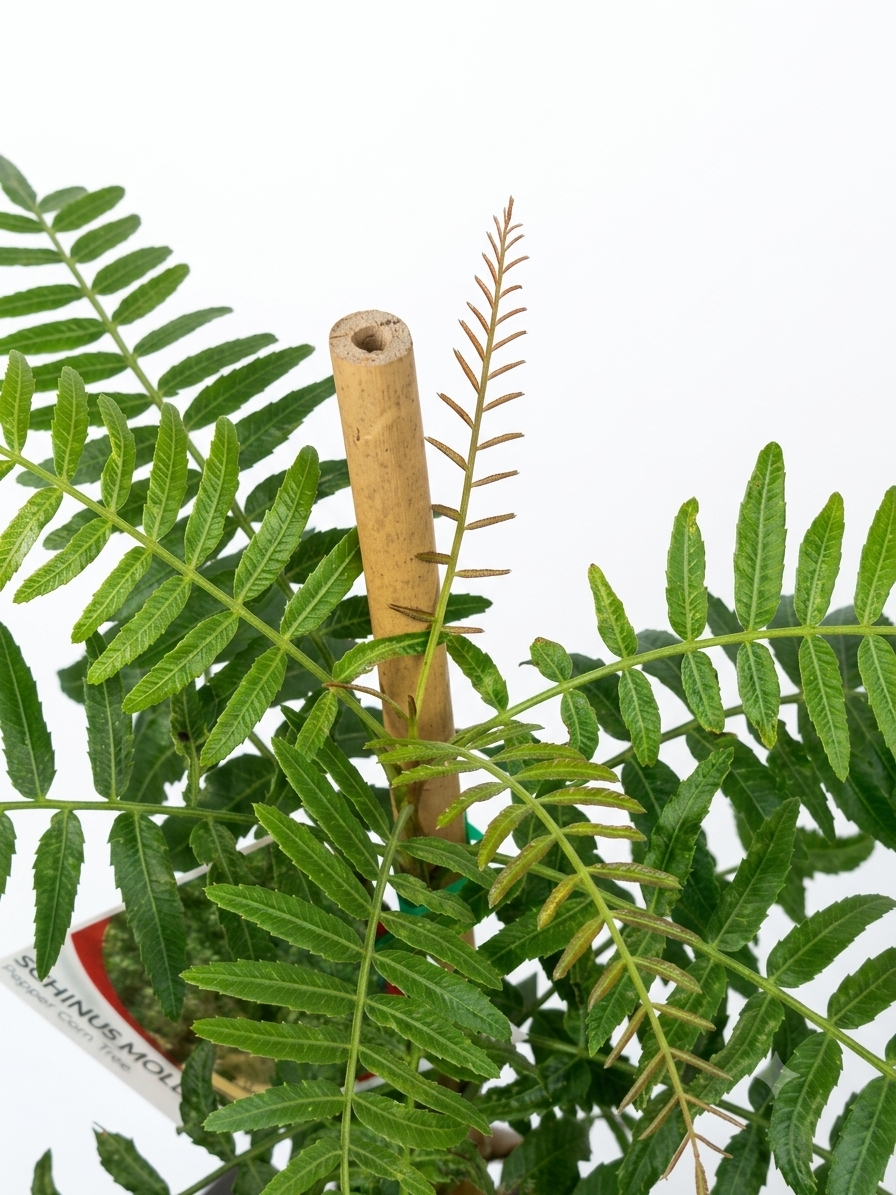
Meet the tree that handles our scorching summers better than most of us do and amazingly it's a Brazilian! This is Schinus molle, or the peppercorn tree. It is a fast-growing evergreen with weeping branches and fine, fern-like leaves that let out a spicy scent when you crush them. Those bright pinkish-red berry clusters are what make it a real head-turner in a local backyard. It will reach a prune height of 4-8m and needs full sun to really thrive. You will be waiting about 3-5 years for fruit, and by year five you will want it in a 90L pot if you are keeping it contained. It handles Perth's baking heat and dry spells like a champion, and it is not fussy about soil. Whether you have sandy coastal ground or heavy clay in the foothills, it will settle in without a worry, provided the spot does not stay waterlogged for months on end. The gnarled trunk has grumpy man attitude and develops with age. It makes a brilliant shade tree for a lifestyle block, but it also brings a bit of science to the table. Traditional medicine has used it for wounds, and modern studies back that up. The essential oils in the leaves and berries show strong antimicrobial and antifungal actions. Lab research has even tested methanol extracts from the fruit against human cancer cell lines and found they can significantly decrease cancer cell viability in vitro. Early animal studies have also hinted at potential antidepressant effects. There are a couple of serious warnings to note, however. This tree is potentially unsafe for livestock, so keep your animals away from it. For humans, you cannot eat the berries raw. To prepare them safely, harvest the bright red berries when fully ripe and wash them well. Dry them in a single layer in a dehydrator or a warm spot out of the sun until they are completely brittle. Rub off the thin papery outer skin so you are left with the little seed inside. Store those dried seeds in an airtight jar and use them sparingly. The mild, sweet, peppery flavour comes from the natural compounds in the seed, but it is not a substitute for black pepper. Mix a few through your regular peppercorns and never use them in large quantities, or you will regret it with for example, an upset stomach. If you are a rare fruit collector or a hobby farmer looking for a hardy tree that gives back, this one is worth it.