Ultimate Survival Guide for perimenopause - The Gardner's Guide
Welcome to the ultimate survival guide for perimenopause—a time in life when your body’s internal thermostat goes haywire, moods swing from saint to storm in three seconds flat, and you suddenly find yourself looking at a cup of tea wondering where you put your car keys.
Whether you are a woman walking through the hormonal wild west, or a partner, friend, or bloke who simply wants to understand why the house feels like an Antarctic blizzard one minute and a sauna the next, you have come to the right place. After all you didn't only get into gardening to get away from people. Awareness is half the battle, and a bit of humor is the best weapon we have.
Down here in Perth, we deal with scorching summers, dry heat, and sandy soils. It turns out that helping your body navigate hormonal shifts is a lot like tending a Perth garden: give it the right environment, feed it proper nutrients, and use the right plants to keep things thriving when the heat turns up.
This little guide is broken down step-by-step to help you tackle every curveball perimenopause throws your way...at least some of them.
Here is what we are covering:
- Hormonal balance
- Heavy or irregular bleeding
- Hot flushing
- Mood
- Mental health
- Sharpen brain
- Sleep
- Fatigue and cellular energy
- Blood sugar
- Digestive health and bloating
- Skin dryness
- Hair thinning and loss
- Joint pain
- Vaginal and urinary health
- Bone density and strength
- Heart and cardiovascular health
- Plants to avoid
Grab a quiet cup of tea (or a cold drink if a hot flush just hit), take a deep breath, and let us dive into how nature—and a little backyard gardening—can help bring some peace back to your mind and body.
Some of these herbs keep popping up again and again in multiple headings, just another sign your body could do with an occasional input.
Serious Disclaimer
This guide is for informational and educational purposes only and is not medical advice. The hope is that you get inspired to learn more, always double check any information you get with your health care professionals. Perimenopause involves complex hormonal shifts, and every woman responds differently to plant remedies. The herbal and dietary information in this book is not intended to diagnose, treat, cure, or prevent any medical condition, nor should it replace professional advice from your doctor, naturopath, or healthcare provider.
Always consult a qualified healthcare professional before starting any new herbal remedies, especially if you are taking prescription medications, have underlying health conditions, or experience severe symptoms like abnormal heavy bleeding.
While the growing tips in this guide are tailored for Perth's sandy soils, hot dry summers, and Mediterranean climate, always take care when harvesting plants to ensure proper identification, proper dosing, and safe preparation.
Some plants mentioned here might not even be available to grow here, in that case seek seeds if you have trouble finding plants. Some plants are even banned here therefore commercially prepared versions are the next best thing.
The herbs and plants suggested here have not all been studied fully by science. Some of the "evidence" in this guide is based on historical folklore medicine. Care should be taken at all times. Australia's Healthdirect states explicitly: "There is no strong evidence that herbal remedies work for perimenopausal symptoms."
Hormonal Balance
Hormonal balance is all about keeping your body from riding a wild hormonal rollercoaster.
During perimenopause, your ovaries slow down and estrogen starts bouncing around like a kangaroo on a trampoline. Progesterone drops off too, leaving your brain confused and your body thermostat acting up. Getting things back on track means helping your liver clean out used hormones and using gentle plants to smooth out the bumps.
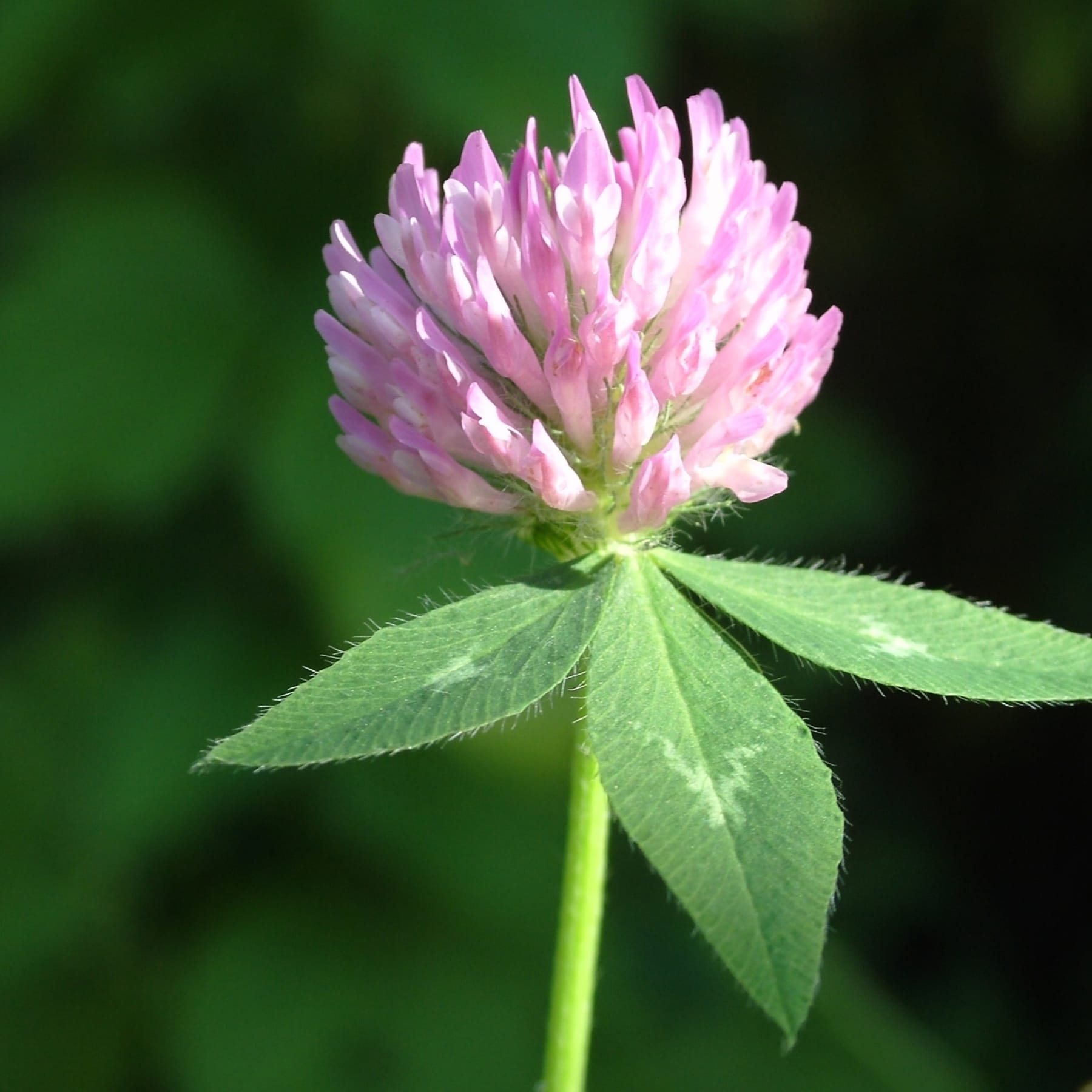
Red clover is top notch for balancing things out because it has natural plant estrogens that fill in the gaps when your own levels dive. It calms hot flushes fast and keeps your heart happy. In Perth, it loves autumn and spring but hates the scorching summer heat. Give it morning sun, plenty of water, and let it feed nitrogen into your garden soil.
Chasteberry works by telling your brain to make more progesterone instead of throwing extra hormones into the mix. It tackles moody days, sore breasts, and fluid bloat. This hardy shrub absolutely loves Perth summers, soaking up full sun and sandy soil without throwing a fuss.
Black cohosh settles the brain signals that cause sudden heat surges and joint aches. It helps keep your temper steady when hormones spike. In Perth, you need to hide it in deep shade and rich moist soil so the dry summer winds do not fry the leaves.
Maca root gives your stress glands a reboot to fight off heavy fatigue and bring back your libido. It does not contain plant estrogens, but it gets your whole system working together again. Sow seeds in deep loose soil during autumn and harvest the big roots before summer cooks the ground.
A common weed in Perth, Dandelion root gives your liver a hand so it can flush out old hormones through your gut. This keeps your skin clear and stops that heavy bloated feeling. It grows like crazy in Perth, taking on tough soil and baking sun while giving you nutrient rich roots to harvest.
Heavy and Irregular Bleeding
Heavy or sudden unexpected bleeding should always be checked out by your doctor first to rule out any underlying uterine issues. In perimenopause, heavy flooding happens because ovulation becomes unpredictable, meaning your body might not produce progesterone to balance out estrogen. Unopposed estrogen builds up the uterine lining, leading to heavy or irregular floods when it finally sheds. Once your doctor gives you the green light, gentle astringent herbs like yarrow and shepherd's purse can help support normal blood flow.
Yarrow is a brilliant plant for halting heavy bleeding because it acts as a natural astringent that tones up blood vessels. It helps slow down an overly heavy flow while keeping blood moving smoothly so you do not form painful clots. It also steps in to ease cramping when your uterus works overtime. In Perth, yarrow is tough as old boots and handles dry conditions with ease. Give it a sunny spot in free-draining soil, cut it back after flowering, and watch it thrive through the heat.
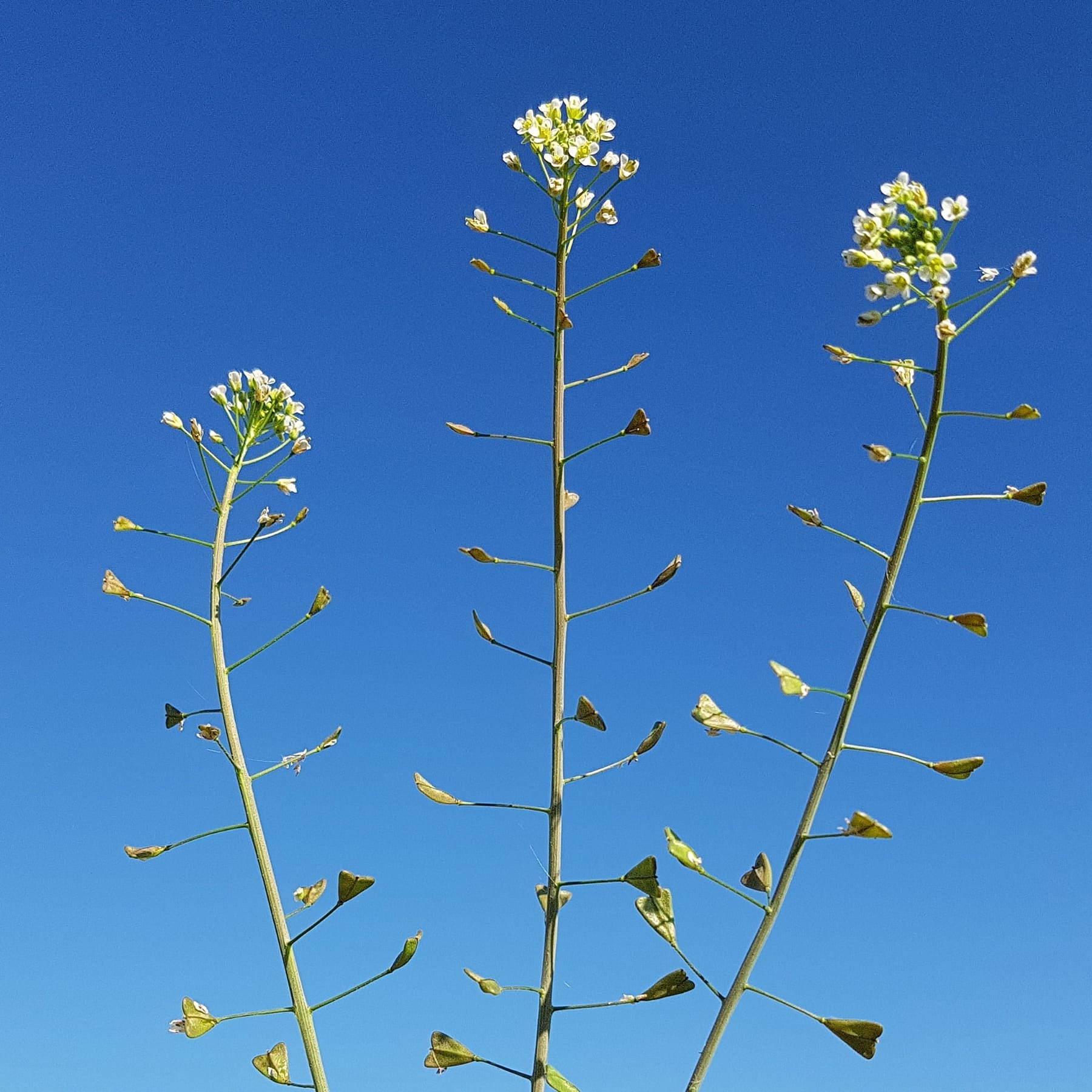
Shepherd's purse is a go-to herb for sudden flooding and irregular spotting between periods. It contains compounds that constrict blood vessels and encourage quick clotting to bring heavy blood loss under control fast. It gives your body a chance to catch its breath during relentless cycles. It grows as a quick winter annual in Perth, springing up easily from seed during cool, wet months. Plant it in full sun or light shade during autumn and harvest the heart-shaped pods before summer dries it out.
Lady's mantle is famous for tonifying the uterus and restoring order to unpredictable cycles. Its drying and tightening properties help thin down an overdeveloped uterine lining so your periods become lighter and far more manageable. It also brings relief to pelvic heaviness and bloated discomfort. Growing it in Perth requires protection from the harsh sun, so place it under a shady tree or patio in rich, moist soil where the midday heat will not scorch its delicate leaves.
Stinging nettle is an absolute lifesaver during heavy cycles because it is packed with iron and minerals to rebuild your blood supply. Heavy bleeding leaves you feeling exhausted and wiped out, but nettle restores your energy reserves while gently working to slow down excessive flow.

In Perth Metro, grow nettle in a large pot so it does not take over your garden beds. Put it in semi-shade, water it regularly, and wear thick gloves when picking the leaves to avoid the sting. At Primal Fruits We usually can offer a plant growing wild in the back for free. Easily self-seeding.
Raspberry leaf works as a uterine tonic to strengthen and relax pelvic muscles at the same time. It helps your uterus contract more efficiently, which reduces heavy blood loss and stops those deep, dragging cramps in their tracks. That is why pregnant women should not take it. In Perth, autumn and winter are the best times for strong growth, while summer heat can stress the foliage. Plant it in a sheltered spot with morning sun, mulch well to keep the soil cool, and prune it back after fruiting.
Hot Flushing
Hot flushing is your body's internal thermostat going haywire. As estrogen drops, your brain gets mixed messages and thinks your body is overheating when it is not. It triggers a sudden release of heat, causing intense flushing, sweating, and rapid heartbeats that leave you feeling exhausted. Getting a handle on hot flushes means calming your nervous system, cooling body heat, and using plants that help regulate temperature control signals.
Sage is top tier for cooling down hot flushes and stopping night sweats in their tracks. It contains compounds that help rebalance brain signals and reduce sudden sweat surges, giving you much-needed relief during thermal spikes. Beyond cooling flushes, sage helps settle an upset stomach and clears brain fog. In Perth, sage loves the dry heat and flourishes in full sun with gritty, free-draining soil. Give it a light trim after flowering to keep it bushy and prevent it from going woody.
Black cohosh helps settle the brain's thermostat by acting on the central nervous system pathways linked to hormone shifts. It reduces both the frequency and intensity of sudden heat surges while easing the irritability that comes with them. It also pulls double duty by soothing mild joint aches that pop up around the same time.
Red clover provides gentle phytoestrogens that help smooth out the sharp estrogen drops that trigger flushing episodes. By filling in those hormonal gaps, it reduces the severity of sudden heat spikes and keeps your blood vessels happy. It also offers extra support for bone health and skin elasticity. Red clover grows best in Perth during autumn and spring. Plant it in morning sun with regular water, and let it fix nitrogen back into your soil while harvesting the pink blooms.
Evening primrose yields seeds rich in essential fatty acids that help regulate inflammation and support nerve signaling tied to temperature control. Taking evening primrose regularly helps lower the intensity of night sweats so you can sleep through the night without waking up drenched. It also brings relief to dry skin and breast tenderness. In Perth, evening primrose grows easily as a hardy plant that handles poor, sandy soils and full sun with minimal fuss.
Peppermint essential oils offers quick cooling relief through its natural menthol content, which stimulates cold receptors in your skin and nervous system. Drinking cool peppermint tea or using it as a cooling mist helps bring down your surface temperature when a sudden heat wave hits. It also calms digestive bloating and lifts afternoon fatigue. Peppermint grows rapidly in Perth, so keep it contained in a pot placed in semi-shade to keep the soil moist and stop it from running wild through your garden.
Mood Swings
Mood swings in perimenopause can make you feel like you are on an emotional rollercoaster with no brakes. Estrogen plays a huge role in boosting serotonin and dopamine, the feel-good chemicals in your brain. When estrogen levels start bouncing around, your brain chemistry drops, leaving you feeling unexpectedly anxious, teary, or ready to snap over little things. Easing these mood swings comes down to nourishing your nervous system, smoothing out brain signals, and using gentle herbs to take the edge off stress.
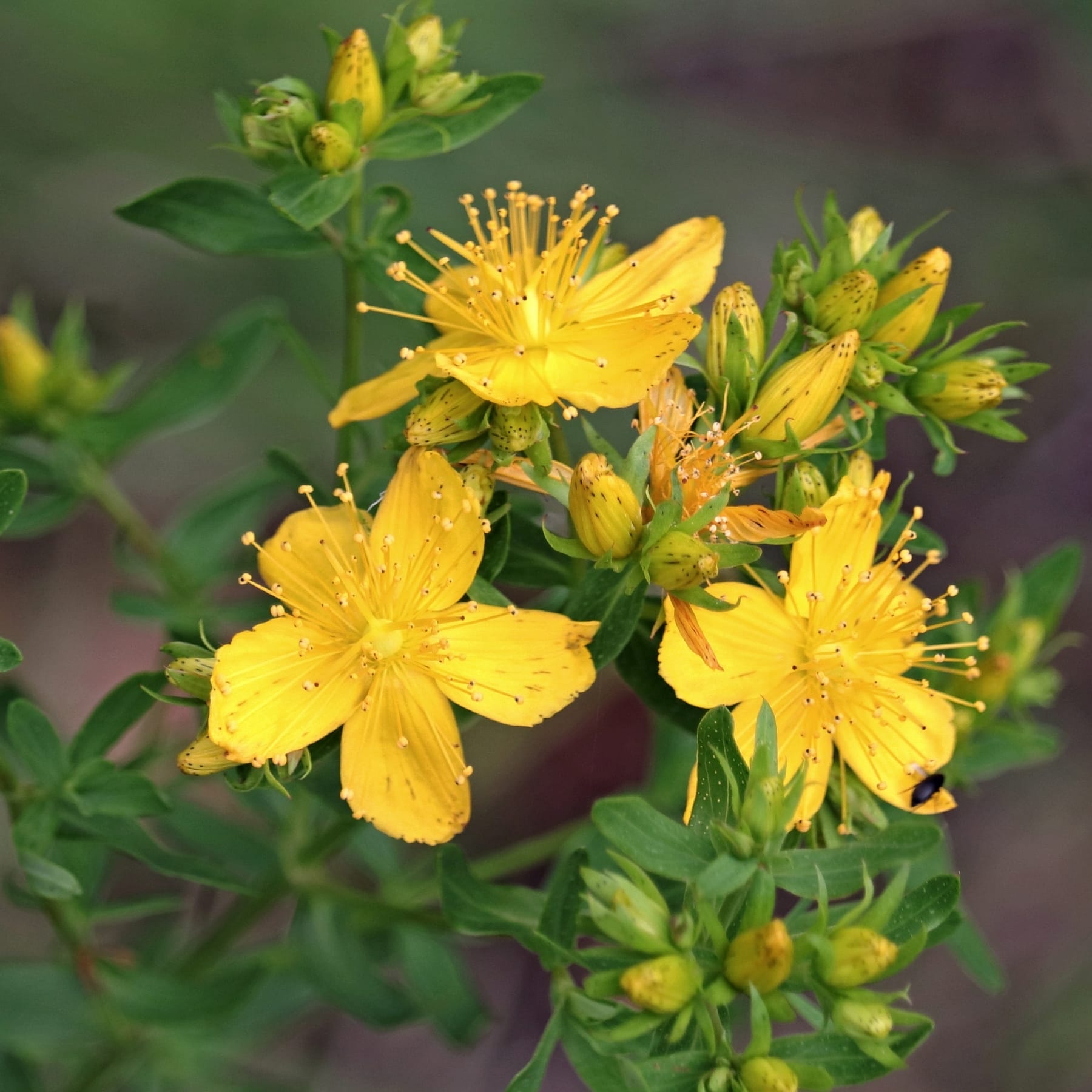
St John's wort is famous for lifting low moods and brightening your daily outlook. It works by keeping feel-good brain chemicals like serotonin active for longer, helping to chase away uninvited dark clouds and emotional slumps. It also helps quiet down that restless, nervous feeling that keeps you on edge. In Perth, St John's wort grows happily in full sun or part shade in well-drained soil. Keep it watered during dry spells and clip it back after flowering to keep it looking tidy.
Before you pick or take this one: St John's wort is a powerful liver enzyme inducer, which means it speeds up how your body breaks down many common medications. This can wipe out the effectiveness of blood thinners, heart medications, thyroid drugs, birth control pills, and antidepressants. Taking it alongside prescription antidepressants can also cause dangerously high serotonin levels. If you take any regular medication, do not use St John's wort without first talking to your doctor or pharmacist. For many people, gentler mood supporters like lemon balm, skullcap, or rosemary are safer first choices. See the full "Plants to Avoid" section at the end of this guide for more detail.
Motherwort is an absolute gem for calming sudden spikes of irritability, rage, and heart-pounding anxiety. It acts like a warm, reassuring hug for your nervous system, settling a racing pulse and soothing emotional overwhelm in minutes. It also helps ease tension headaches and cramps tied to cycle shifts. Motherwort grows very well in Perth gardens, preferring morning sun and afternoon shade with regular water to keep its green leaves lush.
Lemon balm is a fantastic herb for taking the sharp edge off stress and clearing away nervous tension. It boosts brain chemicals that calm an overactive mind, helping you feel grounded and focused without making you feel groggy. It also settles an upset, nervous stomach and clears up mid-afternoon brain fog. Lemon balm loves Perth spring and autumn weather, thriving in semi-shaded spots with moist soil. Keep it in a pot so it does not spread everywhere.
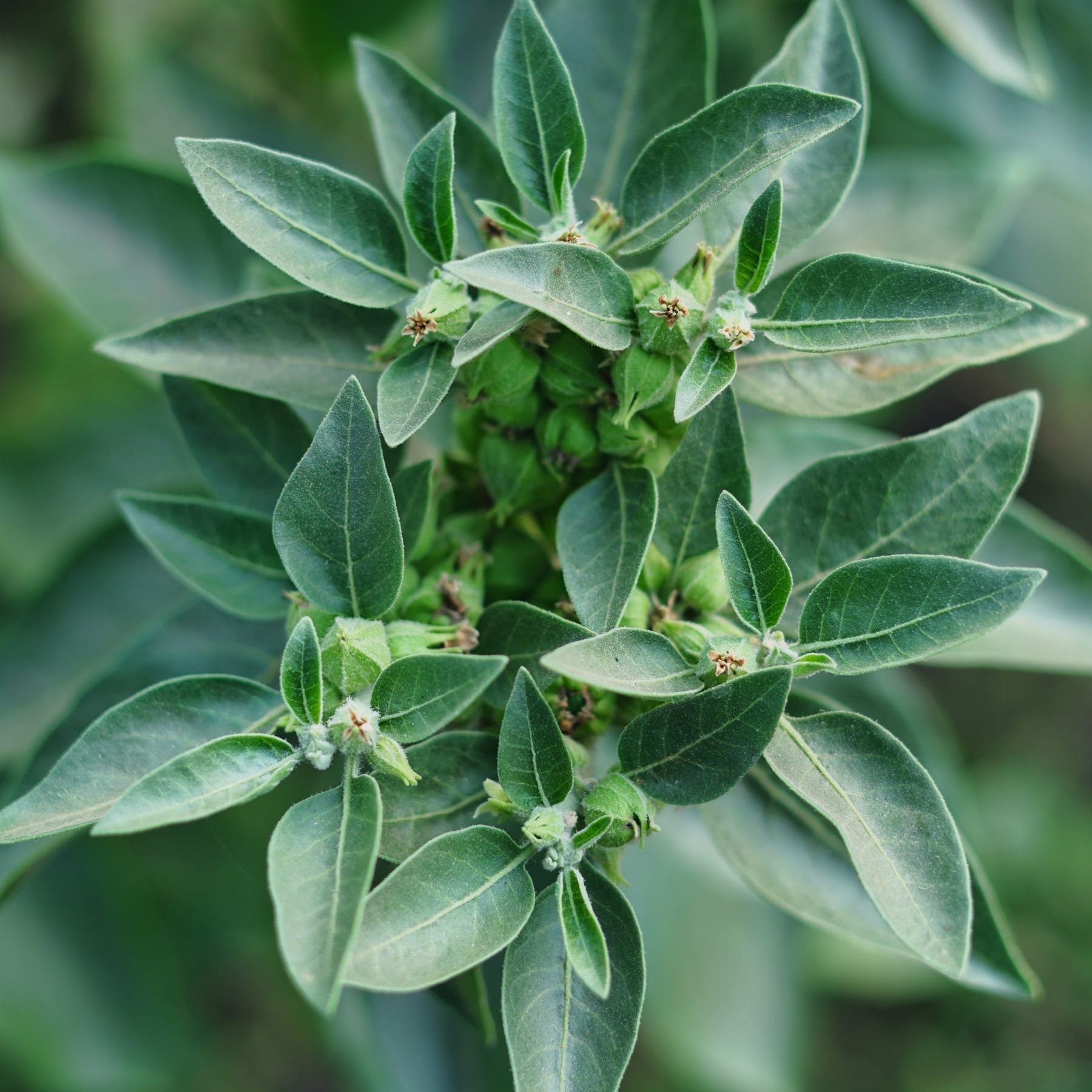
Ashwagandha is a powerful adaptogen that helps your body handle stress without burning out. It lowers cortisol levels, stopping those sudden adrenaline spikes that make you feel jumpy or overwhelmed by daily tasks. It also supports steady energy levels during the day and encourages deeper sleep at night. Ashwagandha loves Perth summer heat, thriving in full sun and sandy, well-draining soil with minimal fuss once established.
Ashwagandha is most commonly taken using its dried root, which is made into powder, tea, capsules, or liquid extracts. Here is how you can use it:
- Powdered rootMix half a teaspoon of ground root powder into warm milk, water, or smooth it into a smoothie. Adding a bit of honey helps cover up the earthy, bitter taste.
- TeaSimmer half a teaspoon of dried root in a cup of water for 10 to 15 minutes. Strain out the root, let it cool a bit, and add a drop of honey or cinnamon to improve the flavor.
- Capsules or tabletsCapsules from a health food shop are the easiest way if you do not like the taste. Most people take around 300mg to 600mg per day, following the packet instructions.
- Liquid extractDrop 1 to 2 millilitres of liquid extract into a small glass of water or juice once or twice a day.
Best time to take it is in the evening if you want to unwind and sleep better. Take it in the morning if you want steady energy to deal with daily stress. It is best to take it with or after meals so it does not upset your stomach.
Safety noteStart with a small amount to see how your body handles it. Avoid ashwagandha if you are pregnant, and talk to your doctor first if you take thyroid pills, blood pressure medication, or autoimmune treatments.
Rosemary brings a quick boost to your spirits while sharpening a foggy mind. Its aromatic oils help stimulate circulation to the brain, lifting low energy and brightening your mood almost instantly. It also supports digestion and helps clear out liver sluggishness. Rosemary is built for Perth conditions, soaking up burning sun, surviving drought, and thriving in sandy soil with hardly any maintenance required.
Mental Health
Mental health struggles during perimenopause go deeper than daily mood swings. Declining estrogen messes with the stress-response pathways in your brain, making long-term stress, deep anxiety, and depressive slumps much harder to bounce back from. When your nervous system stays stuck in high alert, it drains your mental energy and leaves you feeling completely overwhelmed. Protecting your mental health involves feeding your brain nerve-nourishing nutrients, lowering chronic stress hormones, and using grounding plants to bring stability back to your mind.
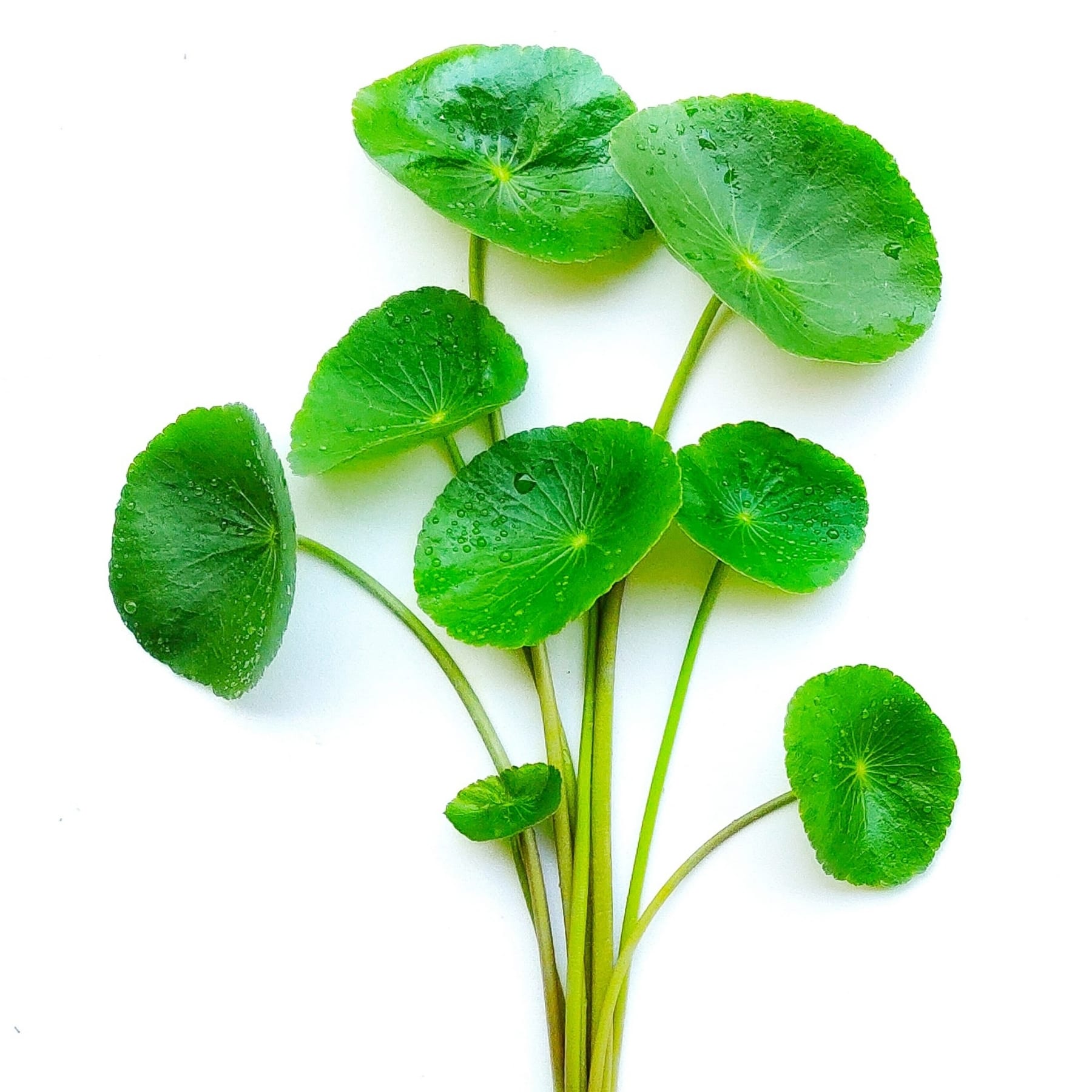
Gotu kola is a brilliant brain tonic that helps soothe long-term anxiety while rebuilding frayed nerves. It strengthens connective tissues and supports healthy blood flow to the brain, which keeps your mind calm and resilient against chronic stress. It also helps sharpen memory and supports skin elasticity as an extra bonus. In Perth, gotu kola loves warm, sheltered spots with plenty of moisture and morning sun. Grow it in a wide, shallow pot or a damp garden bed protected from hot drying winds.
Holy basil, or tulsi, is an incredible adaptogen that protects your mind from the damaging effects of emotional and physical stress. It lowers cortisol levels, clears away mental exhaustion, and helps you feel emotionally steady when life gets hectic. It also aids digestion and supports steady blood sugar levels throughout the day. Holy basil thrives in Perth's hot summers, soaking up full sun and well-draining soil. Sow seeds in late spring and keep it watered for a continuous harvest of aromatic leaves.
Lavender is famous for easing deep-seated anxiety and bringing quick calm to a racing, overactive mind. Its aromatic compounds act directly on the brain to slow down nervous signals, helping you unwind and step back from feelings of panic. It also sets the stage for a restful night of sleep when restless thoughts keep you awake. Lavender is perfectly suited for Perth, loving full sun, sandy soil, and dry summer heat. Plant it in a breezy, sunny spot and avoid overwatering.
Skullcap is a heavy-duty nervous system tonic that calms intense mental agitation and nervous exhaustion. It works like a circuit breaker for an overworked mind, helping to stop obsessive worrying and muscular tension without dulling your senses. It also helps relieve tension headaches brought on by mental strain. Skullcap grows well in Perth during the milder months, preferring part shade, rich soil, and consistent moisture to keep its roots cool.
Passionflower is a go-to plant for quietening an anxious mind that will not turn off. It boosts GABA levels in the brain, which naturally slows down brain activity to ease feelings of dread and inner restlessness. It also helps turn off the mental chatter that prevents you from falling asleep. In Perth, passionflower is a vigorous climber that loves full sun and sandy, well-drained soil, though it appreciates some shelter from severe afternoon heat and a good layer of mulch.
Medicinal passionflower is a distinct species called Passiflora incarnata (often called wild passionflower or maypop). While it belongs to the same plant family and produces its own small edible fruit, it is grown specifically for its leaves and flowers to ease anxiety and support sleep, rather than serving as rootstock for backyard fruiting vines.
Sharpen your Mind
Brain fog can make you feel like your mind is stuck in low gear, forgetting where you put your keys or struggling to find the right words. Estrogen acts like fuel for your brain cells, helping them process energy, stay sharp, and build strong connections. When estrogen drops, brain cell metabolism slows down, leaving you with patchy concentration and mental fatigue. Sharpening your brain involves boosting circulation to the head, protecting brain cells from stress, and using herbs that sharpen focus and memory recall.
Ginkgo biloba is top drawer for clearing brain fog because it opens up micro-circulation to bring fresh blood and oxygen straight to your brain cells. Better blood flow means faster thinking, clearer focus, and easier word recall when your brain feels slow. It also gives your cardiovascular system a boost and helps warm up cold hands and feet. Ginkgo grows into a beautiful deciduous tree in Perth that copes well with heat once established. Give it a sunny or partly shaded spot with deep, well-draining soil and plenty of room to stretch its roots. Available in different sizes.
Bacopa, also known as brahmi, is a power plant for improving memory retention and learning capacity. It helps repair damaged nerve pathways and supports the chemical signals your brain uses to store new information. It also takes the edge off nervous anxiety so you can stay calm under pressure. Bacopa thrives in Perth summer heat as long as it gets plenty of water. It makes a fantastic groundcover in a moist, sunny to partly shaded spot or a shallow pot that sits in a saucer of water. Limit use to 4 week stints on and a long enough break. Readily available on the edge of many freshwater ponds or at most nurseries.
Rosemary is nature's quick pick-me-up for an exhausted mind. Its aromatic compounds stimulate nerve pathways in the brain, instantly sharpening your focus, alertness, and short-term memory recall. It also aids digestion and helps your liver process extra waste.
Gotu kola supports long-term mental clarity by improving blood circulation and protecting nerve tissue from age-related wear and tear. It helps clear away that heavy, sluggish feeling in your head while supporting steady focus during long tasks. It double-dips by boosting collagen production for healthy skin and connective tissue.
Sage is fantastic for restoring mental speed and keeping your memory sharp as a tack. It blocks the breakdown of essential brain chemicals involved in memory and learning, keeping your mind alert and responsive. As a bonus, sage is one of the best herbs for stopping sudden hot flushes and night sweats.
Sleep
Sleep can become a total nightmare during perimenopause when falling asleep or staying asleep feels impossible. Falling progesterone levels reduce your body's natural calming signals, while estrogen drops cause middle-of-the-night temperature spikes that wake you up soaked in sweat. Once you snap awake at 3AM, a racing mind and spiking stress hormones make drifting back off a real battle. Reclaiming a good night of rest involves resetting your sleep cycle, easing night sweats, and using relaxing herbs that tell your nervous system it is safe to shut down.
Valerian root is heavy-duty support for when your brain refuses to switch off at night. It boosts natural calming chemicals in your brain to help you fall asleep faster and sink into deeper, more restorative rest without feeling groggy the next morning. It also works wonders for relaxing tight muscles and easing physical tension that builds up over the day. Valerian grows very well in Perth during the cooler months, enjoying full sun to part shade and rich, moist soil. Water it regularly through spring, and harvest the thick roots in autumn after the plant dies back.
Chamomile is a classic gentle herb that eases night-time anxiety and prepares your body for restful sleep. It contains gentle compounds that bind to brain receptors to quiet down racing thoughts, soothe an upset stomach, and settle late-night nervous tension. It also helps relieve mild menstrual cramps and digestive bloat. In Perth, chamomile grows easily as a cool-season annual that loves full sun and well-draining soil. Plant seeds in autumn or early spring, keep the soil moist, and harvest the tiny daisy flowers regularly to encourage more blooms. Check out chamomile that grows like a groundcover.
Passionflower is brilliant for people who wake up in the middle of the night with a mind going a million miles an hour. It acts like a circuit breaker for mental chatter, helping you drift back to sleep smoothly instead of tossing and turning for hours. It also helps ease daytime jitters and tension headaches.
Hops are famous for their deep, sedating qualities that help keep you asleep right through the night. They contain natural plant estrogens that help smooth out temperature spikes, making them particularly useful if night sweats keep waking you up. Hops also support digestion and help calm an overactive nervous system. Hops vines grow surprisingly well in Perth during spring and summer, needing full sun, heavy watering, and a sturdy trellis to climb up before dying back to the ground in winter. Coming to Primal Fruits from October 2026.
Lemon balm helps lower body temperature and ease the restlessness that keeps you tossing and turning. It calms an overactive heart rate, takes the sharp edge off late-night worry, and supports a peaceful transition into deep sleep. It also settles digestion and brightens your mood the following day.
Fatique and Energy
Fatigue during perimenopause goes way deeper than just feeling tired after a long day—it can leave you feeling running on empty at a cellular level. As estrogen drops, your mitochondria (the tiny power plants inside your cells) slow down their energy production, making simple daily tasks feel like pushing a boulder uphill. Add poor sleep, fluctuating blood sugar, and extra stress on your adrenal glands, and your body struggles to recharge its batteries. Rebuilding your energy means supporting cellular metabolism, nourishing tired stress glands, and using nutrient-rich plants to get your power plant fired up again.
Siberian ginseng is a top pick for lifting deep physical and mental exhaustion without giving you the nervous jitters. It acts as an adaptogen that helps your adrenal glands bounce back from long-term stress while improving how your cells use energy and oxygen. Beyond beating fatigue, it boosts immune strength and sharpens mental focus when you are running on low fuel. Siberian ginseng grows well in Perth as a hardy shrub that prefers morning sun with protection from burning afternoon heat. Plant it in rich, well-draining soil and keep it damp through the dry summer months. Rare to source in Perth and not ideal to grow here.
Rhodiola is an absolute powerhouse for overcoming heavy physical burnout and brain fog caused by stress. It helps your mitochondria produce cellular energy more efficiently, boosting your stamina and keeping your mind sharp during long afternoons. It also helps stabilize mood swings and protects against stress-related anxiety. In Perth Metro, rhodiola prefers the cooler autumn and spring weather and needs a bit of tender loving care. Grow it in a pot placed in a bright, sheltered spot with sandy, free-draining soil, making sure not to overwater its roots during humid weather.
Maca root acts as a nutrient-dense fuel pack for your endocrine system, helping to revive flagging energy levels and rebuild physical vitality. It supports the hypothalamus and pituitary glands, helping to steady your adrenal output, lift sluggish thyroid activity, and revive a fading libido.
Nettle is nature's ultimate green multivitamin for restoring depleted reserves when you feel completely run down. It is packed with iron, magnesium, and essential trace minerals that support healthy blood production and cellular energy transport, fighting off that dragging, heavy feeling. It also works wonders for rebuilding blood strength after heavy perimenopausal periods.
Astragalus is a classic tonic herb for building up deep endurance, cellular vitality, and long-term immune strength. It strengthens how your body handles physical strain, improves nutrient absorption, and protects cells from oxidative damage that drains your daily energy. It also gives your heart and cardiovascular system a gentle boost. Astragalus grows happily in Perth, loving full sun and dry, sandy soils once established. Plant it in a sunny patch with good drainage, water deeply but infrequently, and harvest the long taproots after two or three years of growth.
Blood Sugar
Blood sugar swings can turn perimenopause into a daily energy rollercoaster. Estrogen plays a huge role in helping your cells respond to insulin, so as estrogen levels drop, your cells become less sensitive to it. This means sugar stays in your bloodstream longer, leading to sharp spikes and sudden crashes that trigger wild carb cravings, brain fog, sudden hot flushes, and stubborn belly weight gain. Keeping your blood sugar steady comes down to slowing down glucose absorption, helping your cells respond to insulin again, and using bitter, balancing herbs to keep your metabolism on an even keel.
Cinnamon is top drawer for making your cells more sensitive to insulin, helping sweep sugar out of your blood and into your cells where it belongs. It slows down how fast carbs break down in your digestive tract, which stops those nasty post-meal blood sugar spikes and keeps your energy steady for hours. It also pulls double duty by calming digestive bloat and warming up cold hands and feet. Cinnamon trees grow surprisingly well in Perth if kept protected from cold winter frosts and hot drying summer winds. Plant it in a warm, sheltered spot or a large pot with rich, well-draining soil and plenty of morning sun.
Gymnema, famously known as the sugar destroyer, works directly on your tongue and gut to block sweetness. When you take gymnema, it temporarily stops your tastebuds from tasting sweet flavours, taking the joy out of sugary treats and squashing mid-afternoon sugar cravings in their tracks. It also supports your pancreas in producing healthy insulin and helps repair insulin-releasing cells. In Perth, gymnema grows as a warm-climate vine that loves Perth summer heat. Give it a sturdy trellis to climb up in a sunny or lightly shaded spot, and water it regularly during dry spells.
Fenugreek is packed with soluble fibre that forms a thick gel in your stomach, dramatically slowing down how fast your body absorbs sugar from meals. This keeps your blood sugar flat and steady after eating, which prevents sudden energy slumps and mood crashes. It also helps manage cholesterol levels and supports healthy digestion. Fenugreek grows easily in Perth as a fast-growing cool-season crop. Sow seeds directly into sunny garden beds during autumn or winter, keep the soil damp, and harvest the aromatic seeds once the pods turn brown.
Dandelion root brings a double hit of blood sugar support by aiding liver function and providing soluble inulin fibre. Your liver acts as your body's glucose storage unit, and dandelion root helps it release and store sugar smoothly while flushing out excess hormone waste. This helps keep your blood sugar balanced while clearing up hormonal skin breakouts and heavy bloating.
Holy basil, or tulsi, helps control blood sugar by targeting cortisol, your body's main stress hormone. High stress drives up cortisol, which dumps extra glucose straight into your bloodstream, but holy basil keeps stress levels low so your blood sugar stays stable. It also sharpens a foggy mind and supports your immune system.
Longevity spinach is a absolute power plant for keeping blood sugar levels steady and improving insulin sensitivity. Eating the fresh leaves helps slow down how fast your body absorbs carbohydrates, preventing those nasty post-meal glucose spikes and energy crashes. It also works to lower systemic inflammation and protect your blood vessels from high sugar damage. Longevity spinach grows like crazy in Perth during the warmer months, thriving in a warm, semi-shaded spot with regular water and a layer of organic mulch to protect its roots from dry summer heat. Harvest the tender leaf tips constantly to keep it leafy, bushy, and productive. Available for $10.
Digestive Health and Bloating
Digestive health can take a serious hit during perimenopause as fluctuating hormones mess with your gut motility and stomach acid levels. Dropping progesterone slows down your entire digestive tract, causing slow transit times, gas buildup, and that tight, uncomfortable belly bloat that makes your clothes feel too small by mid-afternoon. Lower estrogen also weakens the protective lining of your stomach, making you more prone to heartburn and sluggish digestion. Easing gut trouble comes down to waking up lazy digestive juices, relaxing tight abdominal muscles, and using carminative herbs to clear out trapped gas.
Fennel seed is top tier for deflating a blown-up belly and soothing painful gut spasms within minutes. It contains natural aromatic oils that relax the smooth muscles in your digestive tract, allowing trapped gas to pass through smoothly without causing sharp cramps. Beyond clearing bloat, fennel supports your liver and helps freshen your breath after meals. In Perth, fennel grows like crazy in full sun and thrives in sandy, free-draining soil. Plant it in a sunny patch, water it deeply during dry spells, and harvest the aromatic seeds once the flower heads turn brown.
Peppermint is a powerhouse for calming an upset, churning stomach and easing upper abdominal pain. Its menthol content acts as an antispasmodic, easing gut tension and helping your stomach empty more efficiently so food does not sit around fermenting and causing bloat. It also brings quick cooling relief during sudden hot flushes and sharpens afternoon focus.
Ginger is an absolute champion for firing up sluggish digestion and sweeping food through your system. It stimulates stomach acid and digestive enzymes, preventing that heavy, sitting-like-a-brick feeling after eating, while settling nausea and motion sickness in their tracks. It double-dips by lowering systemic inflammation, which brings relief to aching joints as well. Ginger grows well in Perth as a warm-season crop if you protect it from winter frost and harsh summer winds. Plant rhizomes in early spring in rich, moist soil in a warm, semi-shaded spot, and harvest the roots in late autumn. Want something stronger? Try Black tumeric.
Dandelion root works from the back end by stimulating bile production in your liver to break down fats and move waste out smoothly. By keeping your bowels moving regularly, it stops old estrogen and toxins from being reabsorbed back into your bloodstream through your gut wall. This keeps your digestion light, stops fluid retention, and clears up hormonal skin breakouts.
Lemon balm brings sweet relief to a nervous, twitchy gut that reacts to stress and anxiety. It calms the brain-gut connection, settling churning butterflies, nervous bloating, and acid reflux brought on by a hectic day. It also lifts low spirits and helps prepare your mind for a restful night of sleep.
Dry Skin
Skin dryness during perimenopause happens as dropping estrogen takes away your skin's natural moisture retainers. Estrogen stimulates collagen, elastin, and natural oils that keep your skin plump and hydrated. As levels plunge, your skin barrier thins out, loses its elasticity, and struggles to hold onto water, leading to flaky, itchy, paper-thin skin that reacts to everything. Easing skin dryness means hydrating from the inside out, rebuilding your moisture barrier with healthy essential fatty acids, and using soothing herbs that calm irritation.
Evening primrose is an absolute hero for dry, irritated skin because its seeds are packed with gamma-linolenic acid (GLA). This essential fatty acid repairs your skin's outer barrier, helping it lock in moisture, restore elasticity, and stop that relentless, dry itch. It double-dips by easing breast tenderness and softening the blow of night sweats. In Perth, evening primrose is a tough plant that copes with poor, sandy soils and baking sun with zero trouble. Sow seeds in autumn or spring in a sunny spot and gather the seed pods once they turn brown.
Calendula is nature's ultimate skin healer, famous for soothing inflamed, dry, and sensitive skin. It contains bright yellow carotenoids and resins that stimulate collagen production, speed up skin cell repair, and calm down red, flaky patches. It also supports lymphatic drainage, helping your body clear out cellular waste. Calendula grows incredibly well in Perth as a cool-season annual. Plant seeds from autumn through early spring in full sun, keep the soil moist, and pick the bright orange flower heads regularly to keep new blooms coming.
Gotu kola works from deep within to boost collagen synthesis and strengthen skin structure. By improving micro-circulation under the skin, it delivers fresh nutrients and oxygen to thirsty skin cells, keeping your face looking plump and resilient. As a bonus, it calms nervous anxiety and sharpens foggy thinking.
Nettle acts as a deep internal cleanser that feeds your skin with silica, sulfur, and crucial trace minerals. These rich nutrients strengthen skin tissue, build stronger hair, and improve overall skin hydration from within. It also helps flush out excess fluid retention while building iron-rich blood after heavy periods.
Aloe vera provides immediate cooling hydration for parched, sun-baked, and inflamed skin. The clear gel inside its thick leaves is full of polysaccharides that bind water directly to skin tissue, soothing dryness and speeding up cell turnover without clogging pores. It also cools down the burning sensation left behind by sudden hot flushes. Aloe vera is practically tailor-made for Perth gardens, thriving in hot sun, poor sandy soil, and long dry spells with hardly any water. Plant it in a well-draining pot or garden bed in full sun and let it multiply.
Hair
Hair thinning and loss during perimenopause happens when the protective shield of estrogen drops away, leaving male hormones like testosterone with more influence. This shift allows testosterone to convert into DHT, a compound that shrinks hair follicles, shortens the growing phase, and causes hair to fall out faster than it can rebuild. At the same time, poor circulation and low iron make it hard for hair roots to get the nutrition they need to stay strong. Stopping hair loss involves blocking DHT, boosting blood flow straight to the scalp, and feeding hair roots with essential silica and minerals.
Rosemary is a superstar for hair growth because it acts as a natural circulation booster that wakes up sleepy hair follicles. Its essential oils stimulate blood flow straight to the scalp, bringing oxygen and vital nutrients right where hair roots need them most to kickstart new growth. It also helps clear away extra oil, relieves itchy scalp issues, and sharpens brain focus when you breathe in the piney scent.
Saw palmetto is famous for its ability to block the enzyme that converts testosterone into hair-shrinking DHT. By keeping DHT away from your hair follicles, it protects hair density and stops excessive shedding at the crown and hairline. It also helps balance oil production on the scalp and supports urinary tract health. Saw palmetto grows into a tough, slow-growing palm that thrives in Perth Metro gardens. Plant it in full sun or light shade with well-drained sandy soil, and give it plenty of room to spread out over the years.
Nettle is packed with natural silica and sulfur, making it a top pick for strengthening fragile hair strands and preventing breakage. It feeds the hair matrix from the inside out, helping thin hair grow back thicker and shiny while rebuilding iron reserves lost during heavy periods. It also works as a gentle kidney tonic to help flush out water retention.
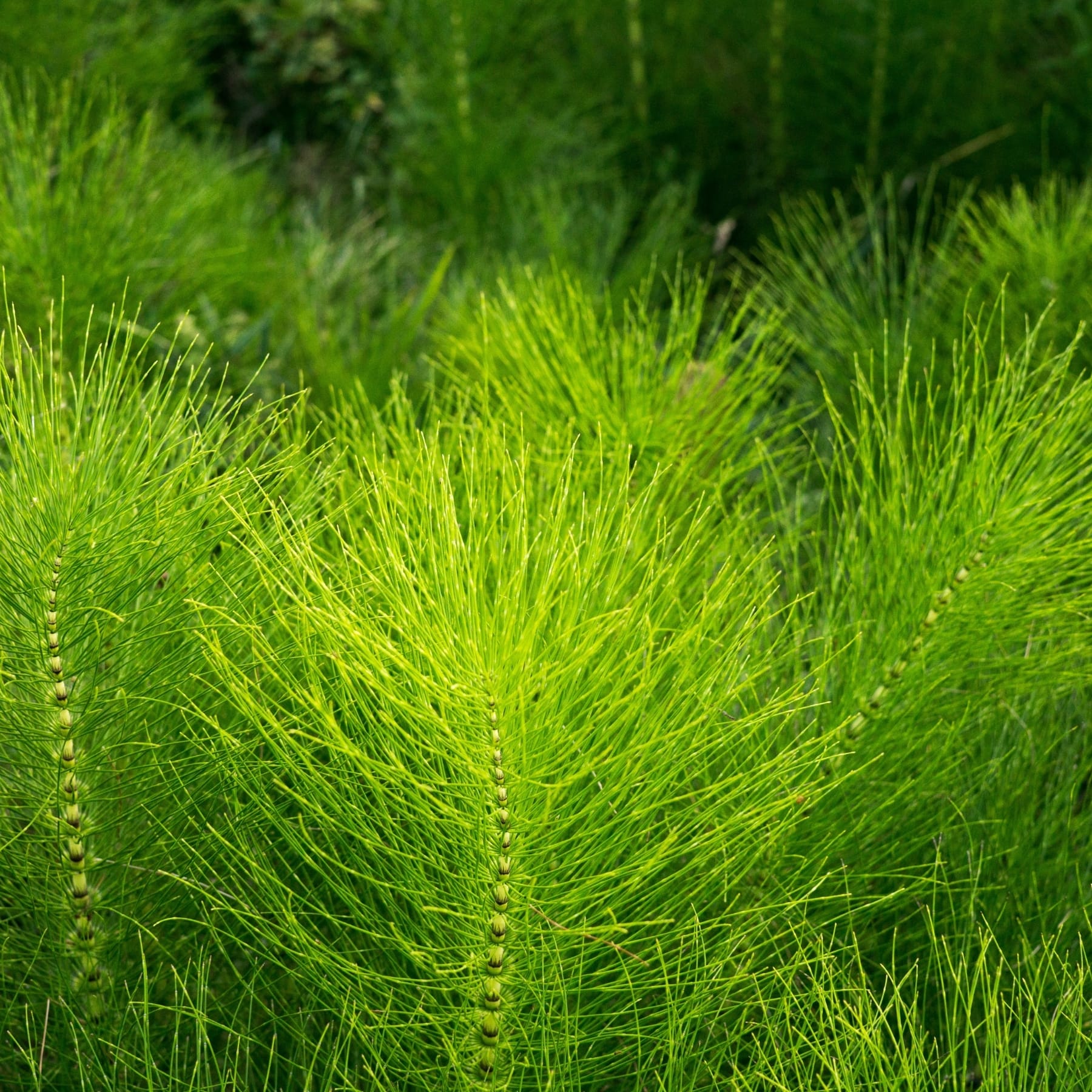
Horsetail is one of the richest plant sources of organic silica on the planet, which is essential for building strong collagen and keratin structures in hair, skin, and nails. Drinking horsetail tea or using it as a scalp rinse fortifies hair shafts, reduces split ends, and encourages sturdier root retention. It also strengthens bone density and helps tighten loose tissues. Horsetail loves water and prefers growing in pots submerged in saucers of water or placed near a pond in part shade to protect it from Perth's dry, hot summer winds. Unfortunately it's not a permitting plant in WA.
Nettle leaf is the best homegrown alternative for silica and collagen support. It grows easily in a shady spot in Perth and packs heaps of silica, iron, and minerals for hair, bone, and joint strength without any weed restrictions.
Oat straw is another fantastic option you can grow as a cover crop during Perth's cool autumn and winter months, yielding a sweet, mineral-dense tea for bones and hair.
For sheer silica concentration, bamboo extract is the strongest plant-based option available at local health stores, containing up to 70 percent silica compared to horsetail's 7 percent.
Gotu kola supports hair health by strengthening micro-blood vessels that supply oxygen and plasma straight to the base of each hair follicle. This improved blood supply keeps hair roots active for longer, preventing early shedding and encouraging fresh growth cycles. It also helps calm mental stress and anxiety, which are major triggers for sudden hair loss.
Joint Pain
Joint pain and stiffness during perimenopause can leave you feeling like an old rusty gate in the morning. Estrogen plays a massive role in lubricating your joints, keeping cartilage soft, and keeping inflammation in check. When estrogen drops, your joint tissues dry out, cartilage thins, and silent inflammation builds up, leading to sore knees, achy fingers, and stiff shoulders. Fixing joint pain comes down to cooling down inflammatory fires, supporting fluid balance around joints, and using plants that ease pain without messing up your stomach.
Turmeric is top notch for joint pain because its active compound, curcumin, shuts down inflammatory enzymes that cause swollen, achy joints. It works like a charm for easing morning stiffness, improving flexibility, and protecting cartilage from wear and tear. It also gives your liver a hand in processing old hormones and toxins. In Perth, turmeric grows as a summer crop that loves heat, humidity, and rich soil. Plant rhizomes in late spring in a warm, semi-shaded spot, water regularly during summer, and harvest the rich orange roots once the leaves die down in autumn.
Ginger acts as a powerful anti-inflammatory and natural pain reliever by blocking inflammatory chemical pathways in your body. It warms up stiff, cold joints, increases circulation to sore muscles, and helps break up fluid buildup around swollen tissues. As a bonus, ginger fires up sluggish digestion and stops post-meal bloating. Ginger thrives in Perth during warm months when protected from harsh midday sun and drying winds.
Willow bark is nature's original aspirin, containing salicin which breaks down into salicylic acid to ease stubborn joint aches and back pain. It provides long-lasting relief from persistent joint inflammation without causing the stomach irritation common with synthetic pain meds. It also helps cool down systemic heat during flushing episodes. Willow trees need plenty of moisture to thrive in Perth, so plant them near a wet garden area or greywater outlet in full sun to part shade, ensuring they get deep watering through dry summers.
Devil's claw is famous for targeting deep musculoskeletal pain, back stiffness, and arthritis flushes. Its bitter compounds reduce swelling in joint tissues, helping restore flexibility and making daily movement far more comfortable. It also supports liver and gallbladder function to clear out metabolic waste. Devil's claw loves hot, dry conditions similar to its native desert home, making it well-suited to Perth sandy soils. Devil's claw (Harpagophytum procumbens) is legal to possess, sell, and buy in Australia as a dried herb, supplement, tablet, or tincture.
However, growing live Devil's claw plants in Western Australia is practically impossible for backyard gardeners. Live seed or plant import into Australia is strictly regulated by biosecurity laws to prevent exotic weeds and pests. On top of that, the plant takes years to grow its specialized tuberous taproots, which are the only part of the plant used for medicine.
Boswellia, also known as Indian frankincense, works by blocking inflammatory molecules that destroy joint cartilage and tissue. It helps improve blood supply to joint structures, preventing stiffness and enhancing your range of motion without disrupting your gut wall. It also supports clear breathing and healthy lung tissue. Boswellia grows as a hardy small tree or large shrub in Perth that loves warm sun and well-drained soil. Keep it protected from severe winter frosts and let it soak up summer heat.
Vaginal and Urinary Health
Vaginal and urinary health issues often show up together during perimenopause as declining estrogen affects pelvic tissues. Estrogen maintains the thickness, elasticity, and hydration of the vaginal wall while keeping the bladder and urethra healthy and toned. As estrogen drops, these delicate tissues thin out, dry up, and lose their natural protective acidity, leading to uncomfortable dryness, burning sensations, frequent urinary tract infections, and embarrassing bladder leaks. Supporting pelvic health involves restoring tissue moisture, maintaining a healthy bacterial balance, and using plants that tone and soothe urinary pathways.
Calendula is brilliant for soothing dry, inflamed, and fragile tissue because of its gentle healing and anti-inflammatory properties. It speeds up cell repair, calms localized irritation, and helps restore natural tissue integrity and comfort. Beyond pelvic support, it works wonders for dry skin and lymphatic clearing.
Cranberry is a go-to for protecting urinary health by preventing unwanted bacteria from sticking to bladder walls. It contains unique compounds that flush out bug build-up, reducing the frequency of recurring urinary tract infections and bladder irritation. It also supplies a rich boost of antioxidants that protect blood vessels. Cranberry plants can be grown in Perth in large pots filled with acidic, moist soil. Place them in a sunny to partly shaded spot, keep them well-watered, and protect them from scorching afternoon summer heat.
Sea buckthorn is famous for its rich content of omega-7 fatty acids, which nourish and hydrate delicate mucous membranes throughout your body. Taking sea buckthorn helps restore natural lubrication and tissue elasticity to the vaginal wall, easing dryness and discomfort from the inside out. It also feeds dry skin and brightens a tired complexion. Sea buckthorn grows as a tough, drought-tolerant shrub that handles Perth sandy soil and baking summer heat with ease. Plant it in full sun with good drainage and let it soak up the heat.
Horsetail is packed with organic silica, making it a stellar herb for strengthening connective tissue and toning the bladder floor. It helps tighten lax pelvic muscles, reducing annoying bladder leaks when you cough or sneeze, while soothing irritated urinary pathways. It also strengthens hair, skin, and nails. But remember it's banned in WA.
Marshmallow root provides immediate soothing relief to irritated urinary tracts through its rich, slimy mucilage. It forms a protective, hydrating coating along inflamed membranes, easing burning sensations during urination and soothing bladder spasms. It also calms acid reflux and settles an irritated stomach. Marshmallow root grows very well in Perth during the cooler months, enjoying full sun or part shade and rich, moist soil. Keep it well-watered through spring and harvest the spongy roots in autumn.
Bone Strength
Bone density can drop off sharply during perimenopause as declining estrogen slows down your body's bone-rebuilding process. Estrogen keeps osteoclasts (the cells that break down bone) in check, so when estrogen levels drop, bone breakdown happens faster than new bone can form. This silent loss weakens your internal skeleton, making bones more brittle and increasing the risk of fractures down the track. Protecting bone density comes down to feeding your body absorbable minerals like calcium, silica, and magnesium, reducing acid buildup that leaches minerals from bones, and using plants that support overall bone remodeling.
Nettle is a powerhouse for bone health because it is crammed with easily absorbable calcium, magnesium, silica, and boron. These essential minerals give your body the exact raw building blocks it needs to keep bone matrix dense and strong, avoiding the digestive upset caused by synthetic mineral pills. It also helps rebuild iron levels after heavy periods and flushes out fluid retention.
Horsetail is nature's most concentrated source of organic silica, a crucial mineral that binds calcium to collagen to form flexible, resilient bones. High silica levels help increase bone mineral density and reduce brittleness, making your skeleton far less prone to fractures. It also works wonders for tightening loose pelvic tissues and thickening thin hair. Don't forget this one is a supplement only as the plants aren't legal here.
Red clover offers gentle plant phytoestrogens that help fill the gap left by dropping estrogen levels, helping to slow down rapid bone mineral loss. Its compounds help keep bone-dismantling cells under control while supporting healthy cardiovascular circulation and skin elasticity. It also brings cooling relief to sudden hot flushes.
Dandelion leaf acts as a rich mineral source packed with calcium, potassium, and magnesium alongside vitamin K, which is essential for binding calcium into bone matrix. By gently stimulating kidney function, dandelion leaf helps reduce systemic acidity, preventing your body from pulling alkaline minerals out of your bones to balance blood pH. It also flushes out puffiness and supports smooth digestion.
Alfalfa is an exceptionally nutrient-dense herb with deep taproots that pull up calcium, trace minerals, and vitamin K from deep underground. Consuming alfalfa helps fortify bone structure, balance blood sugar levels, and lower cholesterol. It also helps rebuild vitality when you feel run down. Alfalfa grows easily in Perth as a deep-rooted perennial that handles dry summer heat once established. Sow seeds in autumn or spring in a sunny spot with well-drained soil and harvest the green shoots regularly.
Heart
Heart and cardiovascular health needs extra attention during perimenopause as declining estrogen affects your blood vessels and cholesterol balance. Estrogen keeps your blood vessels flexible, helps regulate blood pressure, and keeps LDL cholesterol levels in check. As estrogen drops, blood vessels can become stiffer, blood pressure can creep up, and cholesterol levels can shift, leading to heart palpitations, poor circulation, and higher long-term cardiovascular risks. Protecting your heart involves supporting vessel flexibility, keeping blood pressure steady, and using plants that calm racing heartbeats.
Hawthorn is the absolute gold standard for heart health, acting as a deep tonic for your entire cardiovascular system. It dilates blood vessels to improve oxygen delivery to the heart, helps balance blood pressure, and calms those scary heart palpitations that can pop up during hormone surges. It also brings a gentle, grounding calm to emotional stress and anxiety. Hawthorn grows well in Perth as a hardy deciduous shrub or small tree. Plant it in full sun or part shade with free-draining soil, giving it regular water through hot summer dry spells.
Motherwort is fantastic for settling a racing heart, sudden flushes, and heart-pounding anxiety. It acts quickly to calm a rapid or fluttering pulse, relieving that tight chest feeling brought on by stress or hormonal shifts. Beyond steadying your heart, it eases nervous irritability and soothes pelvic cramps.
Garlic is a cardiovascular powerhouse that keeps your blood flowing smoothly and supports healthy blood pressure levels. It helps prevent cholesterol buildup in arterial walls, keeps blood vessels pliable, and protects cells from oxidative stress. It also provides strong immune support and keeps gut bacteria balanced. Garlic grows exceptionally well in Perth when planted during autumn. Plant individual cloves in rich, well-draining soil in full sun, and harvest the plump bulbs in late spring as the tops start to turn yellow.
Rosella is brilliant for keeping blood pressure in a healthy range and supporting clear blood vessels. It is packed with anthocyanins and antioxidants that improve arterial elasticity, lower cholesterol, and act as a gentle natural diuretic to flush out excess fluid retention without draining potassium. It also delivers a delicious, tangy taste that brightens up daily teas. Rossella loves Perth summer heat but tends to be an annual in Perth, thriving in full sun with protection from cold winter winds. Plant it in rich soil, water deeply during hot weather, and harvest the bright red calyxes after flowering.
Ginkgo biloba supports circulation from your heart all the way to your brain, hands, and feet. It helps dilate blood vessels, reduces blood stickiness, and protects arterial walls from age-related wear and tear. Improved blood flow means better cardiovascular endurance, warmer extremities, and clearer mental focus.
Extra Care with these Plants, ...Some to Avoid
Navigating herbal support during perimenopause is mostly about finding what works, but knowing what to skip is just as important. Not every natural remedy is safe for every body, especially when fluctuating estrogen levels, existing medical conditions, or prescription medications enter the mix. Some plants contain strong compounds that can trigger unexpected hormonal swings, interfere with liver enzymes, or interact badly with common drugs like blood thinners, antidepressants, or thyroid meds. Staying safe means knowing which popular herbs carry high risk factors and choosing safer alternatives for your body.
Liquorice root is often used for adrenal fatigue and digestive issues, but it can be risky during perimenopause. It contains glycyrrhizin, which causes your body to hold onto sodium and flush out potassium, leading to raised blood pressure, fluid retention, and extra strain on your heart. High doses can also mimic estrogen and aggravate hormonal surges or severe hot flushes. If you deal with high blood pressure, fluid retention, or heart palpitations, steer clear of liquorice root and opt for gentler adaptogens like ashwagandha or holy basil instead.
St Johns wort is famous for lifting low mood, but it comes with a long list of dangerous drug interactions. It works by revving up liver enzymes that break down pharmaceuticals, meaning it can wipe out the effectiveness of medications you rely on daily. Blood thinners, heart pills, and immune drugs can stop working properly, raising the risk of blood clots or heart issues. It also speeds up how fast your body processes oral contraceptives, which can lead to breakthrough bleeding and unplanned pregnancy even if you take the pill perfectly.
Combining St Johns wort with prescription antidepressants like SSRIs is especially risky, as it can cause serotonin syndrome, a dangerous condition that brings on rapid heartbeat, fever, agitation, and muscle stiffness. It also lowers the strength of anti-seizure pills, cancer treatments, HIV meds, and certain statins or pain relievers. On top of that, it makes your skin far more sensitive to sunlight, which is a real worry under the harsh summer sun in Perth. It is not considered safe during pregnancy or breastfeeding either, and the strength of active compounds in shop-bought bottles can vary massively from one brand to the next.
If you take any regular medication, bypass St Johns wort entirely and talk to your doctor or pharmacist first. If you are already taking it, do not drop it suddenly, as stopping abruptly can cause headaches and dizziness. Instead, speak with your healthcare provider about tapering off safely, and opt for gentler, safer mood supporters like lemon balm, skullcap, or rosemary.
Dong quai is a traditional female tonic often sold for hormonal balance, but it acts as a potent phytoestrogen and strong blood thinner. If you suffer from heavy, flood-like perimenopausal bleeding, uterine fibroids, or endometriosis, dong quai can make bleeding significantly worse and prolong your periods. It also increases skin sensitivity to sunlight, making you burn faster in the harsh Perth sun. If heavy bleeding or estrogen sensitivity is an issue, look to astringent, non-hormonal herbs like yarrow or shepherd's purse instead.
Black cohosh appears multiple times in this guide as a remedy for hot flushes and joint aches, and it is widely sold in health food shops as a "natural" menopause treatment. However, the safety profile of this herb is far more serious than most product labels suggest. A 2025 review found that black cohosh extract not only lacks reliable evidence of effectiveness for menopausal symptoms, but also demonstrates genotoxicity — meaning it can damage genetic material in cells. Human case reports linked to black cohosh range from mild adverse reactions to acute liver damage and, in rare cases, death. The U.S. National Toxicology Program has also assessed its carcinogenic potential. This is not a herb to self-prescribe. If you are considering black cohosh, you must first discuss it with your doctor, have your liver function monitored, and never combine it with alcohol, paracetamol, or other medications processed by the liver. If you experience nausea, fatigue, dark urine, yellowing of the eyes or skin, or abdominal pain while taking it, stop immediately and seek medical attention. For most people, safer alternatives such as sage, red clover, or lifestyle measures should be tried first. This guide mentions black cohosh for informational purposes only — it is not a recommendation to use it.
Comfrey is a brilliant healer for external scrapes and broken bones, but it should never be taken internally as a tea or supplement. It contains pyrrolizidine alkaloids, toxic compounds that accumulate in the liver and cause irreversible liver damage and blocked blood vessels over time. While comfrey is fine to use topically on unbroken skin as a poultice, keep it out of your kitchen cabinet and stick to safe internal gut healers like marshmallow root or calendula.