Wine from Fruit
This post is going to be popular. And hopefully the start of refining a new traditional drop for your family.
Expect failure and constant improvement... Lots of learning... Before you can master winemaking at home, amateur-style, because making wine from fruit is an absolute gift from nature when you get it right.
Is it doable at home? Yes, definitely.
Is it legal? Maybe...
But first, what are the best wine making fruit trees?
Almost any fruit with fermentable sugars can be turned into wine, but some trees produce fruit with the right acidity, body, and sugar balance to make exceptional brews.
High-fat, high-starch, or latex-heavy fruits for traditional winemaking is a classic pitfall that ignores the physical reality of fermentation.
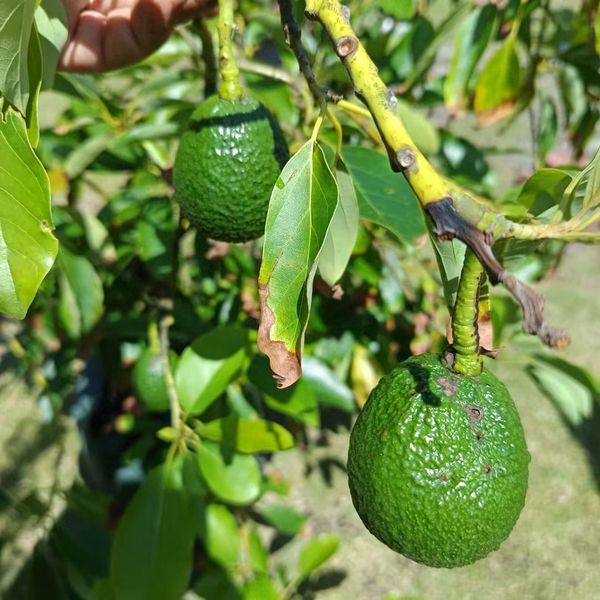
Avoid high fat, latex heavy fruits like jackfruit, avocado, custard apple. Fats go rancid, proteins create heavy sludge, and latex coats equipment while leaving behind a permanent, bitter, milky haze.
Top Fruit Trees for Winemaking Plum Trees (Prunus domestica & salicina): Plums are widely considered the best non-grape fruit for winemaking. They have high sugar content and deep pigments that make rich, aromatic red wines similar to a light Pinot Noir.
Apple Trees (Malus domestica): Hard cider is technically apple wine. Using heirloom or cider varieties high in tannins gives a crisp, dry wine with natural effervescence. Pear Trees (Pyrus communis): Makes perry (pear wine). Pears yield a delicate, light-bodied, slightly sweet wine, though they need added acid for balance during brewing. Peach & Nectarine Trees (Prunus persica): Creates a golden, fragrant dessert wine with high natural sweetness. Peaches require careful straining to clear the heavy pulp. Cherry Trees (Prunus avium & cerasus): Tart cherries make robust, ruby-red wines with deep tannins. Sweet cherries yield a lighter, softer drink. Elderberry (Sambucus nigra): Elderberry wine is famous for closely mimicking the depth, color, and aging potential of traditional grape red wines. Note that elderberries must be cooked before fermenting to neutralise mild toxins. Fig Trees (Ficus carica): High sugar content makes figs ideal for heavy, port-style fortified wines with rich caramel tones. Mulberry Trees (Morus alba, rubra & nigra): Dark mulberries produce a rich, dark red wine with strong berry notes and good natural acidity. Persimmon Trees (Diospyros kaki): Fully ripe, soft persimmons ferment into a smooth, amber-coloured wine with a unique honey-like flavour. Feijoa / Pineapple Guava (Acca sellowiana): Produces a highly aromatic white wine with tropical notes of pineapple, mint, and guava. Marula Trees (Sclerocarya birrea): Famous across southern Africa for its naturally fermenting yellow fruits, which are used to make traditional wild wine and commercial liqueurs like Amarula. Loquat Trees (Eriobotrya japonica): Loquats have high sugar and pectin levels, yielding a clear, crisp white wine with light floral and apricot notes. Pomegranate Trees (Punica granatum): High tannin levels in the seeds give pomegranate wine a dry, tart profile that ages exceptionally well in oak.
Jaboticaba (Plinia cauliflora): High anthocyanins in the dark purple skin create a deeply pigmented, full-bodied red wine with rich grape and berry notes that age gracefully like a fine vintage port.
Chilean Wine Palm (Jubaea chilensis): The sweet sap harvested from this massive palm ferments into a smooth, traditional palm wine with buttery honey and toasted nut undertones.
Jelly Palm (Butia capitata): Bright orange fruits loaded with natural sugars and aromatic esters produce a tropical, golden wine bursting with tart pineapple, coconut, and banana flavours.
Achacha (Garcinia humilis): Tart rind and sweet aril blend to create a crisp, amber-toned wine with a refreshing balance of citrusy tang and subtle tropical sweetness.
White Shahtoot Mulberry (Morus macroura): Extremely high natural sugar levels result in a pale, honey-sweet white wine with gentle floral notes and virtually no harsh tannins.
Capulin Cherry (Prunus salicifolia): Small, dark fruits pack a heavy phenolic punch, creating a bold, ruby-red wine with intense wild cherry and subtle almond seed flavours.
Surinam Cherry (Eugenia uniflora): Fully ripe, dark resinous fruits produce a complex, dry red wine with a sharp resinous kick and bright tropical acidity.
Grumichama (Eugenia brasiliensis): Often called the Brazil cherry, its rich purple juice ferments into a smooth, dry red wine remarkably similar to a young Cabernet Sauvignon.
Pitomba (Eugenia luschnathiana): Bright yellow fruits with tender, aromatic pulp yield a light-bodied white wine with a vibrant apricot and citrus zing.
Panama Berry (Muntingia calabura): High sugar content in these fast-growing berries ferments quickly into a pale, sweet dessert wine with distinct spun-sugar and cotton-candy notes.
Kei Apple (Dovyalis kaffra): Extremely acidic yellow fruits require dilution and sugar additions, but reward you with an insanely crisp, aromatic white wine reminiscent of a sharp Riesling.
Davidson Plum (Davidsonia pruriens): Strikingly sour and packed with deep red pigments, this rainforest plum makes a intense, tannic red wine that handles oak aging exceptionally well.
Native Peach / Quandong (Santalum acuminatum): Tart flesh and high natural acidity yield a dry, amber-coloured wine with a sharp, earthy peach profile and subtle woody notes.
Che / Chinese Mulberry (Cudrania tricuspidata): Distinctive red aggregate fruits make a medium-bodied, garnet-coloured wine with earthy fig and ripe watermelon undertones.
Spanish Lime / Mamoncillo (Melicoccus bijugatus): Juicy, translucent pulp around the seed produces a tangy, effervescent wine with strong lime and green apple characteristics.
Legal
Making wine in your at home back is completely legal, provided you are drinking it yourself or sharing a bottle with the neighbours over the back fence. Federal tax collectors and WA liquor licensing officers do not care if you turn a hundred kilos of backyard plums into a potent brew, as long as it stays strictly non-commercial.
The trouble starts when cash or commerce gets involved. The moment you try selling a bottle at the local markets or swapping a demijohn of mulberry port for a ute load of sheep manure, you cross into liquor licensing trouble. To trade it legally, you would need an official producer licence, which involves way too much paperwork for a fun weekend hobby.
It is also worth making a clear distinction between fermenting and distilling. Fermenting fruit juice into wine is totally fine. But if you get crafty and decide to run that wine through a still to make fruit brandy, the ATO considers that illegal spirit production without a commercial distiller licence, even if it is just a tiny batch for personal use.
As long as you are just enjoying a cheeky home-brewed drop in the backyard, you are completely cool.
Let's get into the process
One massive bonus of growing fruit trees in Perth is the longer, sun-soaked summer, which lets fruit hit much higher natural sugar levels before harvest.
Balancing that sugar and acid properly is the secret to turning your backyard glut into a devine drop.
Balancing sugar and acid is the single most important step in home fruit winemaking, as it directly dictates the alcohol content, flavour stability, and shelf life of your batch.
Unlike wine grapes, which naturally possess the ideal proportion of sugars and tartness, most orchard and backyard fruits come with unpredictable chemistry.
High-acid fruits like wild plums or cherries can leave a wine mouth-puckeringly sharp, while sweet low-acid fruits like figs or pears can result in a flabby, flat beverage prone to bacterial spoilage.
By taking measurements and adjusting these two variables before adding your yeast, you ensure a healthy fermentation process and a well-rounded final flavour.
Sugar content determines the eventual alcohol level of your wine because yeast converts simple sugars into ethanol and carbon dioxide.
To measure this accurately, you use a hydrometer to check the specific gravity of your juice, or must, aiming for a starting reading between 1.080 and 1.090, which yields a balanced alcohol content of roughly 11-12%.
If your starting gravity is too low, you can dissolve white granulated sugar, raw honey, or fruit concentrate into a small amount of warm water and stir it back into the batch. Adding roughly 2.5 grams of sugar /L of liquid will raise the specific gravity by one gravity point, shifting a reading from 1.080 to 1.081.
If your fruit is exceptionally sweet and the reading is too high, you must dilute the mixture with distilled water or a neutral juice like white grape juice to bring the gravity back down, preventing the yeast from stalling under high stress.
Acid levels govern the crispness, preservation, and colour stability of your wine, keeping it fresh while suppressing unwanted bacteria.
Measuring acidity properly requires understanding two distinct figures: the pH, which measures acid strength and drives microbial safety, and the titratable acidity, or TA, which measures total acid quantity and dictates how sour the wine actually tastes on your palate.
You should measure both, aiming for a pH between 3.5 -3.8 alongside a TA around 0.6%.
If your wine lacks tartness, add pure tartaric acid. It stays stable in wine, whereas malic or citric acids can break down or taste harsh over time.
A conservative starting addition is roughly half a teaspoon per 5L of must, after which you should thoroughly stir and retest.
If your fruit contains too much natural acid, you have a few ways to bring it back into balance.
The simplest and most common method is diluting the heavy fruit pulp with water or a low-acid fruit juice before pitching the yeast.
Alternatively, you can use chemical neutralisers like calcium carbonate or potassium bicarbonate to strip out excess acid, though these should be used sparingly to avoid chalky flavours.
Once your sugar and acid tests hit the right numbers, your unfermented fruit juice—known as the "must"—is ready for the yeast to be added.
More insights
Properly balancing sugar and acid is only half the battle when making country wine, because ignoring fundamental yeast health and sanitation will ruin a batch faster than a bad pH reading. The single biggest reason homebrew batches fail is a total lack of yeast nutrients. Fruit juices are notoriously low in natural nitrogen compared to wine grapes, leaving yeast starving during active fermentation. Stressed yeast produces volatile sulfur compounds, resulting in a foul rotten-egg smell (hydrogen sulfide) that completely ruins the batch. Adding nitrogen-rich nutrients like diammonium phosphate (DAP) or Fermaid-O before pitching your yeast prevents this stress and ensures a clean, healthy ferment.
Infection and rapid oxidation are two more silent batch-killers that require strict prevention from day one. Many backyard fruits—especially apples, pears, and peaches—brown almost instantly upon being crushed, creating stale, oxidized off-flavors. Stirring in crushed Campden tablets (potassium metabisulfite) twenty-four hours before adding your yeast kills off wild bacteria, suppresses natural yeasts, and protects the fresh juice from turning brown. When you do need to dilute an overly sweet or acidic must, avoid using distilled water. Distilled water is stripped of essential minerals and oxygen, both of which yeast cells desperately need to build strong cell walls. Instead, use clean spring water or dechlorinated tap water to keep the fermentation moving smoothly.
Managing the physical structure and clarity of your must requires specific prep work before you even take a hydrometer reading. Dunking a hydrometer directly into a thick, chunky pulp full of crushed fruit gives a completely false specific gravity reading because floating solids skew the liquid density. You need to strain off a sample of clear juice first, or use a refractometer on a few filtered drops, to get an accurate sugar measurement. Furthermore, fruits naturally high in pectin—such as plums, apples, peaches, and loquats—will turn into a thick, permanent jelly haze without intervention. Adding pectic enzyme (pectinase) to the crushed fruit breaks down these complex carbohydrates, freeing up the juice and ensuring the finished wine clears properly in the bottle.
Finally, even if your sugar, acid, and yeast health are dialed in, a fruit wine can still end up tasting thin, flat, and lifeless without proper tannin structure.
Wine grapes naturally carry heavy skin tannins that give wine its mouthfeel and aging potential, whereas soft orchard fruits carry almost none.
Stirring in a small amount of pectic-free wine tannin powder, adding oak chips, or steeping a cup of strong black tea into the must provides the necessary astringency and back-palate body.
By combining proper nutrient additions, pectic enzymes, sulfite protection, and tannin adjustments, you turn unpredictable backyard fruit into a professional-grade wine that ages beautifully.
Reading this post isn't enough to learn the skills needed. Dive deeper, make an effort to do an online course, perhaps.