Your Perfect Fruit Tree

Every day starts with the exact same search. I scroll through plant lists, check nursery stocks, and hunt for rare fruiting species on youtube and through old historial magazines ... historical accounts of ancient explorers in untouched lands, looking for wild fruits from forgotten corners.
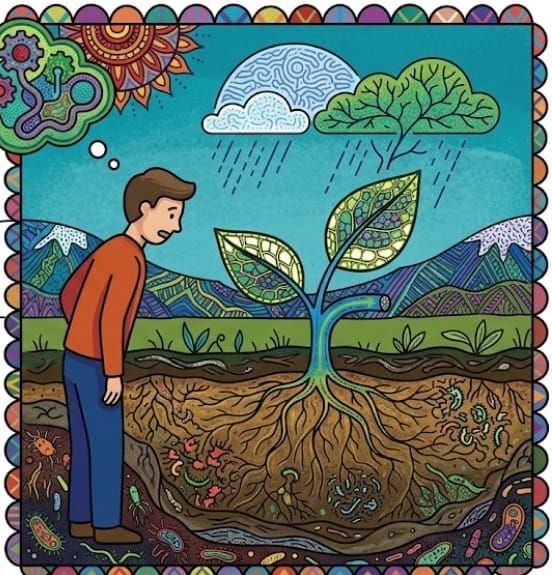
Deep down, I am chasing a phantom. I am looking for the single perfect fruit tree.
It does not matter what genus or family it belongs to. In fact, this tree might not even exist in the real world.
Logically I am certain this tree doesn't exsist. But because I have dreamed about it and pictured it so many times, my "heart" insists it is real.
My subconscious constantly invents reasons why it is not sitting in my backyard right now. Why I can not rest, or declare success and be an easy, content and happy gardener.
One night I dream I planted it years ago in a forgotten community garden and left it behind.
The next night I dream it dried to a crisp during a hot summer, or someone snuck in and stole it.
Sometimes I even dream that I already own it, but it is sitting unlabelled and neglected somewhere in the middle of 3,000 pots in a forgotten unloved patch.
I am telling you this becuase, by now, I know you too could be manifesting this in some form as well.
This daily drive is not just a personal quirk. It comes from deep human psychology and our evolutionary past.
Thousands of years ago, our ancestors survived by foraging. Finding a tree loaded with productive, sweet, high-energy, tasty fruit was the difference between starving and thriving.
When you spot a rare fruiting tree today, your brain still fires off a hit of dopamine, the feel-good chemical that rewards discovery.
Combine that ancient hunting instinct with modern fear of missing out, and you get the ultimate collector mindset.
The brain loves the chase just as much as the reward.
Collecting plants is simply our primal gatherer instinct showing up in the modern world. A simple need that can still be fulfilled.
Humans have been obsessed with mythical fruit trees since the beginning of recorded history.
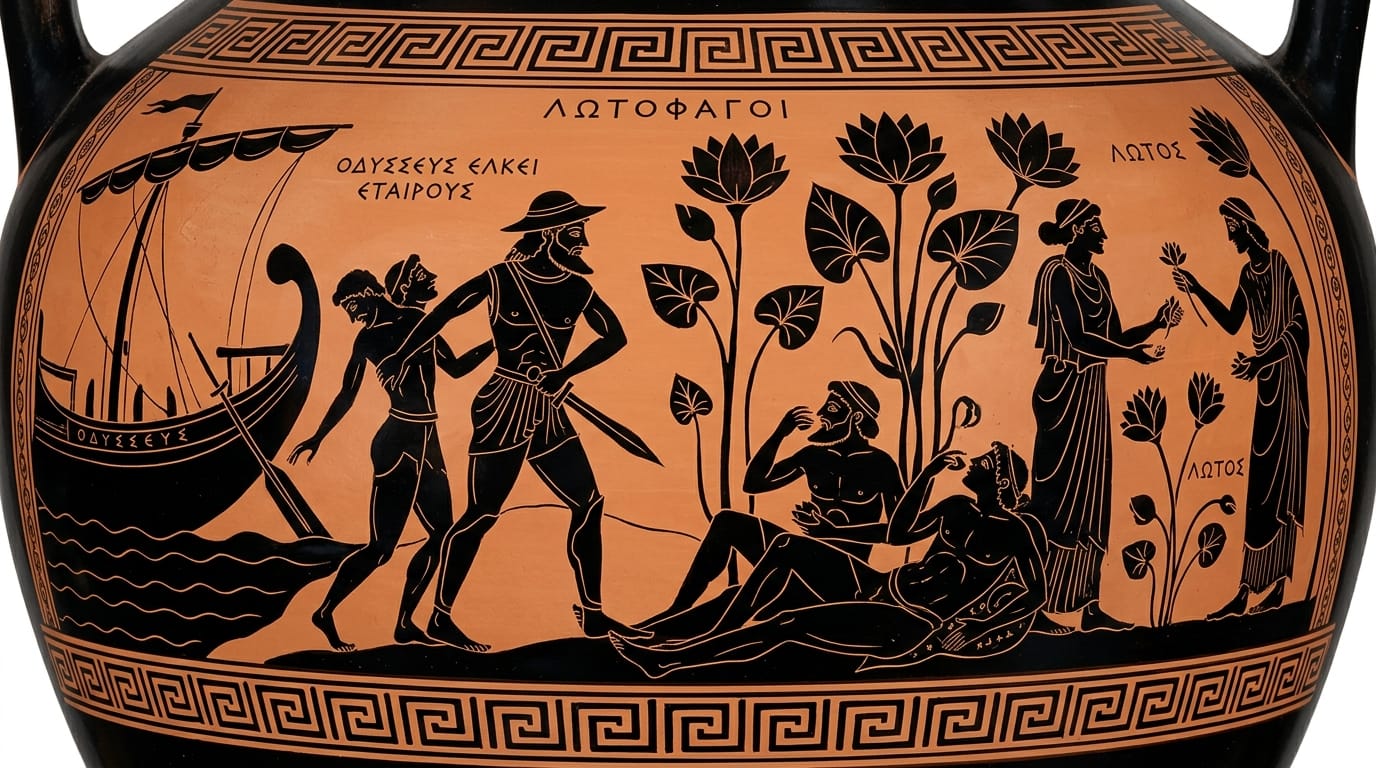
Ancient Greek legends tell of the lotus fruit, a treat so sweet that anyone who ate it forgot their home and wanted only to stay and eat lotus forever. Documentaries dive deep into the identity of this plant, we can only speculate. Part of the attraction is the fact we will never be certain.
The Greeks also wrote about the golden apples of the Hesperides, guarded by a dragon, which gave eternal youth, a holy grail.
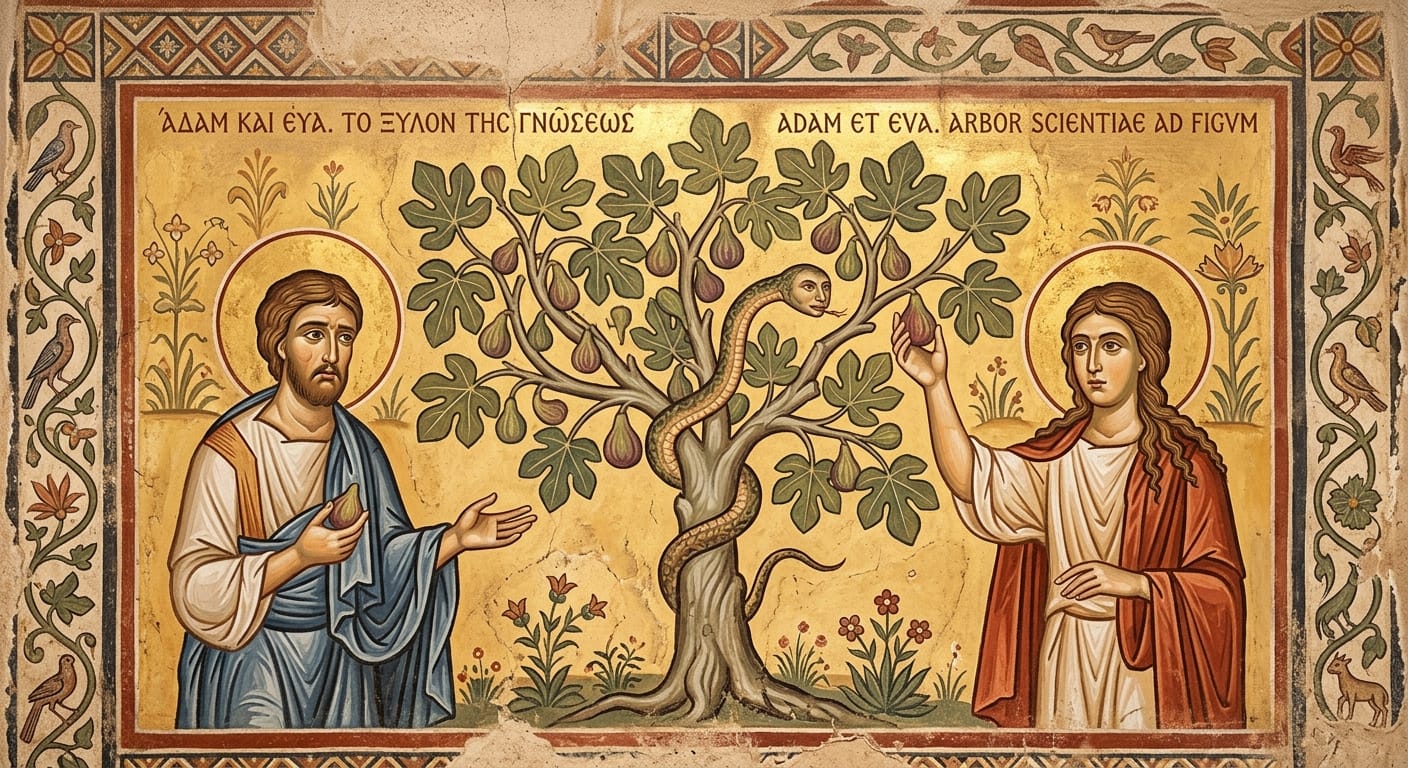
For centuries, painters and poets have tried to paint the scene the Christian Bible scene of Eden.
But if you look at it through the eyes of a fruit collector, the real drama of the story isn't just about breaking a rule. It's about the very first time a human looked at a tree and felt the irresistible pull of the unknown. To the forbidden knowledge.
The Garden of Eden was packed with every fruiting species imaginable. Adam and Eve had unlimited access to a massive, thriving collection.
Yet their focus immediately narrowed to the one tree they were told they couldn't have. That simple boundary turned an ordinary plant into an obsession.
It wasn't just fruit anymore; it was forbidden knowledge, rare status, and a missing piece of reality. A bit like what DMT is now for the chasers of another hidden world.
The prohibition didn't deter them—it made the tree the absolute center of their world.
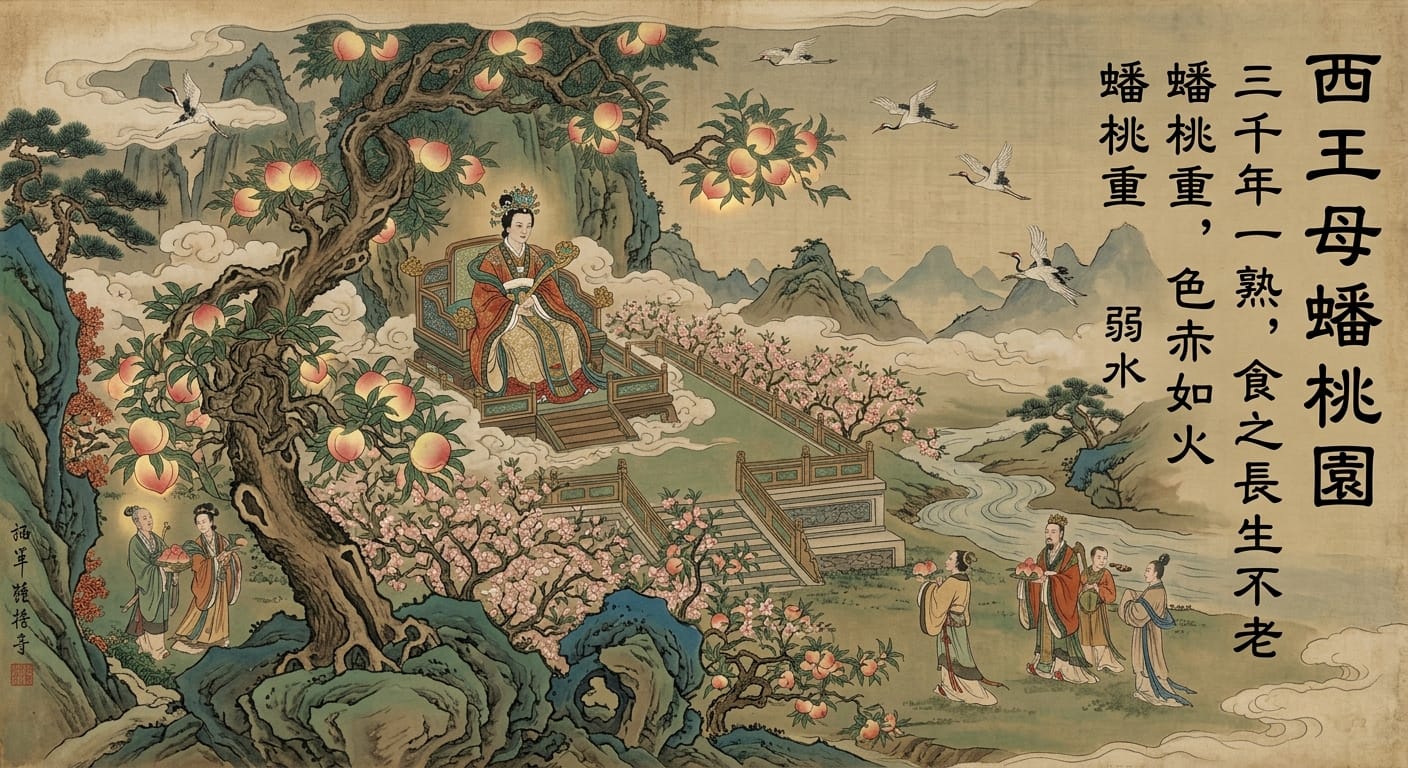
In Chinese mythology, the peaches of immortality grew in the garden of the Queen Mother of the West, ripening only once every 3,000 years to grant everlasting life to whoever ate them.
Across Africa, ancient stories honor the massive baobab of Madagascar as a divine tree of life that stored water and food for survival in hard times.
In the Americas, the Aztecs believed the cacao tree was a sacred gift brought down from the heavens by the god Quetzalcoatl.
Right here in Australia, Aboriginal Dreaming stories tell of ancestral spirits creating sacred bush foods like the quandong and wild "plum", marking specific trees as precious resources to be guarded and respected. Wild "plum" could have been 1 of dozen different fruiting trees.
Across every continent and culture, humans have imagined a magical tree that holds the ultimate prize.
That exact mindset is alive and well today. Every collector knows the feeling of walking past a hundred healthy, heavy-fruiting, common trees just to stare at a struggling, unproven rarity sitting in a corner.
The moment a plant becomes hard to find, restricted, or mythologized, its value skyrockets in our minds.
We stop seeing just a plant and start seeing a prize.
In a way, every rare fruit enthusiast who clears a patch of lawn to plant just one more obscure variety is trying to rebuild a small piece of that lost paradise.
We collect because we want to taste what's rare, solve the mystery of how to grow it in our local climate, and hold a piece of living history in our hands.
The search for the ultimate, perfect fruiting tree is just the modern version of that same original spark: an endless curiosity, a deep desire for connection, and a drive to possess something truly extraordinary.
You can see this same phantom tree living in the minds of everyday gardeners.
People arrive at Primal Fruits Perth every weekend looking for an idea, but many of them have no real solid idea what variety they actually want. Instead, they come in with very specific, highly unusual requirements. They insist the tree must be evergreen, or that it must drop its leaves in winter. They want the fruit to be a precise shade of the colour they imagine, or they expect the tree to stay under 2m tall without ever needing a prune.
When asked why they want those exact features, they cannot explain it. They are not using logic or agricultural facts. They are holding onto a picture in their head formed by childhood memories, old storybooks, and random dreams.
Whether we are searching through ancient myths or browsing the nursery, we are all chasing the same obsure dream.
We want to find that one special tree that brings magic, memory, and perfection into our own backyard. So the hunt continues, one pot and one dream at a time.
Just wake up to the fact it's never ending.
for the human behaviour nerds... There's several psychological terms that could describe your urge to hunt, collect, and obsess over rare fruit trees. What effects you the most? I'm 7 for 7.
Scarcity Effect: A cognitive bias where people place a higher value on an object simply because it is rare, restricted, or hard to obtain.
Novelty Seeking (Neophilia): A personality trait driven by dopamine, characterized by an intense desire to explore, discover new experiences, and acquire unfamiliar items.
Endowment Effect: The psychological tendency to value an item much more highly once you own it (or believe you own it) compared to when you do not.
The Zeigarnik Effect: A psychological phenomenon where the brain remembers uncompleted tasks or missing items better than completed ones, creating a mental itch to fill the missing slot in a collection.
Sunk Cost Fallacy: The drive to keep investing time, money, and garden space into a rare plant despite ongoing setbacks, simply because of the effort already spent hunting for it.
Collector Syndrome (Psychology of Collecting): An extension of early human foraging behaviour where accumulating related items provides a sense of control, mastery, purpose, and identity.
Hyperfantasy / Idyllic Visualization: The mental tendency to project idealized outcomes, magical qualities, or perfect childhood feelings onto a specific object, making reality hard-pressed to match the imagined image.