African Medlar
Let's talk about a plant that goes by many names but deserves a spot in more Perth backyards. Vangueria madagascariensis. You might know it as Spanish tamarind, voavanga, or African medlar. But that's only if you are a fruit tree expert...even I was surprised when I recently discovered this one.
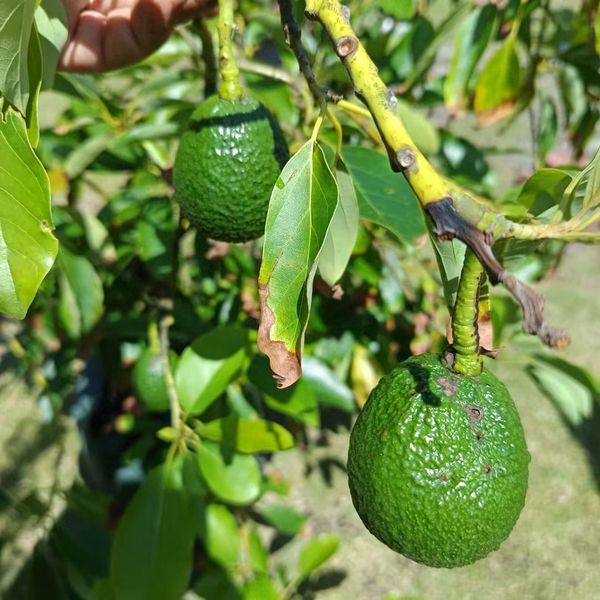
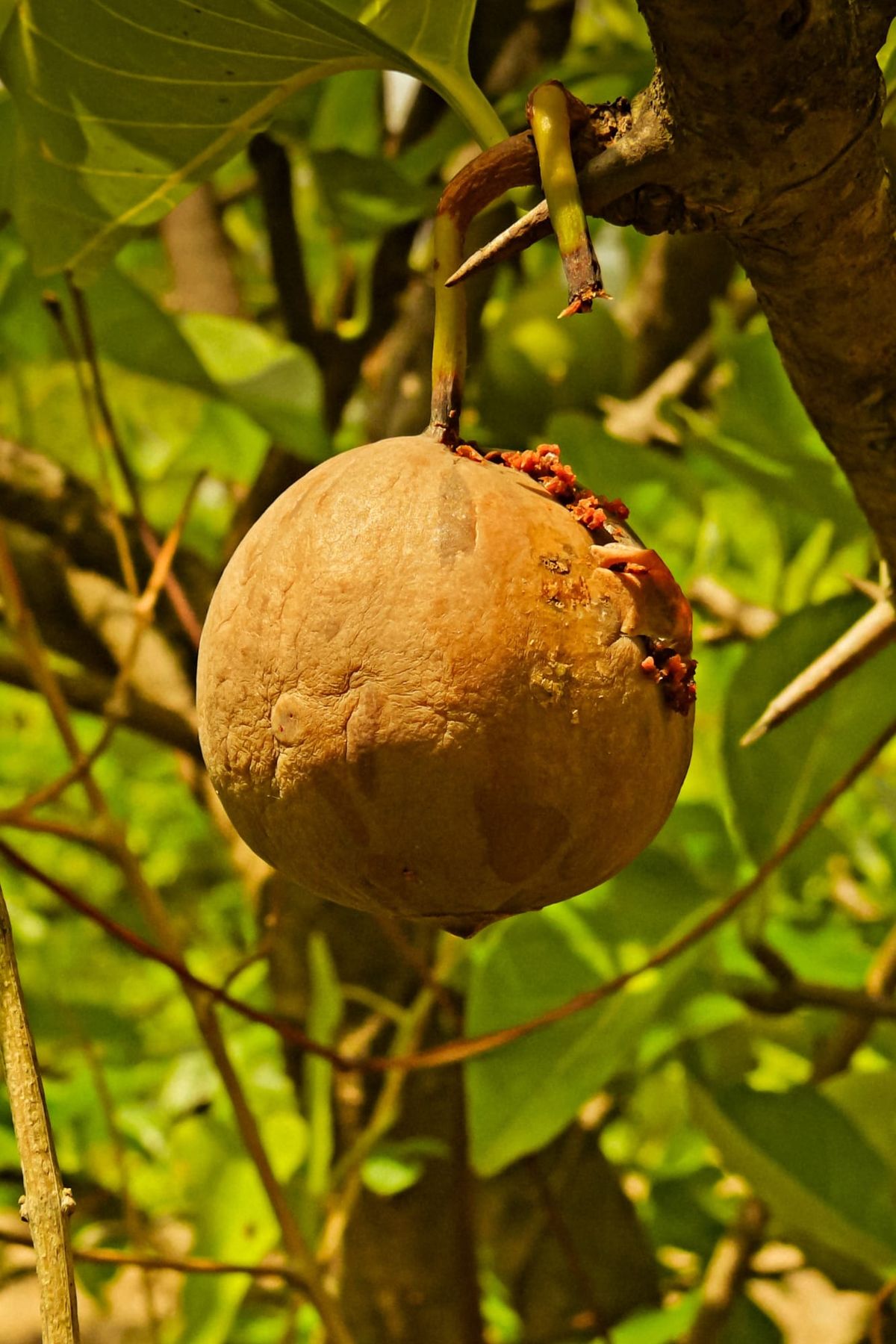
This one is a bit of a shapeshifter. Some sources insist it's a deciduous shrub that drops its leaves, while others, like the reputable Tropical Plants Database, swear it's an evergreen. So far mine are evergreen in the middle of Perth winter. The truth probably depends on your climate and water. Out here in Perth Metro, it might hold its leaves in a mild winter or shed them in a dry one. Either way, it grows into a branched shrub or small tree, ranging anywhere from 2m to a towering 15m tall. The fruit is where things get really interesting. When fully mature and still green with white dots, the Sub-Tropical Fruit Club of Qld says it tastes sweet and sub-acid, like an unripe green apple. But if you leave it on the branch to shrivel and turn brown, the flavour changes completely, becoming more like a tamarind. Then you have the FAO, which describes a pleasant chocolate-like flavour. So depending on when you pick it, you are getting apple, tamarind, or chocolate from the one tree. The flowers apparently smell awful to some, but they are a great source of honey for bees. Flowers that smell awful often benefit from fly pollination too. Now for the science. A 2024 study identified 59 volatile compounds and 18 non-volatiles in the fruit, which explains that complex flavour shift.
Medicinally, this plant is a powerhouse. A 2018 review in the Journal of Toxicology highlights its traditional use against diabetes, gastrointestinal problems, malaria, pain, parasitic worms, and skin diseases. Extracts have shown antibacterial, antifungal, and anti-inflammatory properties. Other sources mention roots and bark being used for intestinal worms and malaria. But here is the contradiction to watch. Some sources say "no known hazards." However, research into related species in the Vanguerieae tribe mentions a disease called gousiekte, a cardiac syndrome linked to plant toxicity in the leaves, with cases spiking at the start of the growing season. While not specifically confirmed for this species, it is a flag for anyone using it medicinally.
For the fruit itself, which is the part you are eating, there are no documented cases of toxicity in humans. All the traditional uses and modern analyses point to the ripe flesh being perfectly safe, and the worst that happens if you eat it too early is a mouthful of tannins that will dry your tongue. The medical research that flags gousiekte is aimed at people using the leaves, roots, or bark for herbal remedies, not at someone snacking on a mushy brown fruit.
The fruit can be left to go completely soft, almost mushy, or even let it wrinkle on the counter. That bletting process is what unlocks the sweetness. Some growers say the flavour is mediocre at best, barely worth the space. But others, including the Queensland horticulture mob, swear the fully ripened fruit is one of the best wild fruit flavours going around. That contradiction usually comes down to the tree itself, seedling-grown trees vary wildly in quality, so you want fruit from a known good mother plant. Nutritionally, it punches above its weight. Analysis shows decent levels of vitamin C, iron, and calcium, with a protein content around 2.5% and carbohydrates sitting near 15%. That makes it a solid little snack, not just a novelty. The seed inside is pretty woody, about 1cm across, and there are usually two to four of them per fruit. For propagation, you have options. Seeds are the easiest, but they lose viability fast, so plant them fresh. Nick that hard coat with a file and soak overnight to speed things up.
The other trick is semi-hardwood cuttings, which strike reliably with a bit of hormone gel. It is also self-fertile, so you only need one tree.
From a seed, expect your first fruit in about three to four years, which is not bad for a rare collector's item. Beyond the fruit, every part of this plant has a job. The wood is dense and termite-resistant, making decent tool handles or firewood. In traditional medicine, you see root bark used for snakebite, leaf infusions for fevers, and the crushed leaves applied to skin infections. One source from the Journal of Ethnopharmacology even mentions the roots being chewed as a remedy for toothache. The toxicity warning bears repeating. While most databases list it as safe, that gousiekte syndrome I mentioned is linked to a toxin in the leaves of certain Vangueria species during their active growth flush. No one has confirmed it for madagascariensis specifically, but the Royal Botanic Gardens Kew notes the presence of iridoid glycosides in the genus, which can affect the heart. So, if you are brewing leaves for tea, maybe do not overdo it. For Perth Metro, plant it in a spot that gets full sun but has decent drainage. Our sandy soils are fine, but dig in some compost to hold moisture over summer. It handles dry spells like a champ, but you will get a heavier crop with a deep soak every fortnight when those 40°C days hit. It copes with light frost once established, but young plants will need a bit of shade cloth or a frost blanket over winter. One last quirky one. In parts of Africa, the fruit is fermented into an alcoholic drink or mixed into porridge. So if you get a heavy crop, you have jam, wine, or a straight-up snack all from that one scrappy little tree. Not bad for something that thrives on neglect.