The Secret of Common Myrtle: Why You Shouldn't Eat It Raw (But Definitely Cook With It)
If you have ever brushed past a common myrtle bush in the Mediterranean, you know the aroma.
In Perth it's a suprisingly common plant to see but few know what this is or its vast uses.
Crush a leaf between your fingers and you get pine, citrus, and spice all at once. But here is the first rule: do not eat the berries raw. Straight off the branch, they are astringent and bitterly resinous.
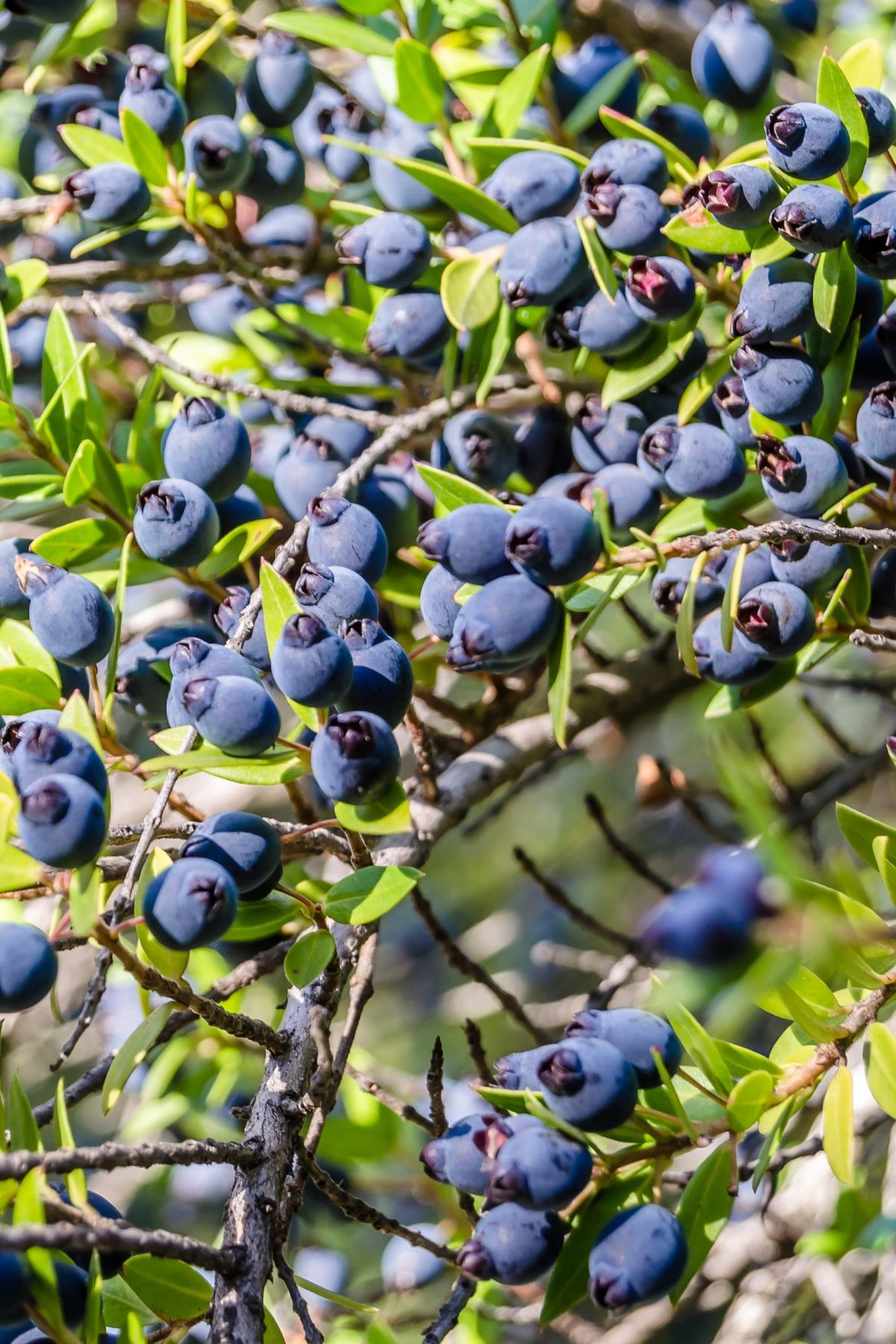
Chewing one leaves your mouth feeling like you have bitten into a pine cone. But with a little patience and prep know how, this ancient shrub becomes one of the most versatile ingredients you have never used unless you are raised fully traditional med. The flavor is uniquely Mediterranean. Imagine a juniper berry, a sprig of rosemary, and a strip of lemon zest packed into one tiny fruit. The leaves are subtle and woodsy, like a milder, sweeter bay leaf. The ripe berries, which turn a deep blue-black in autumn, carry that citrus‑rosemary punch with a peppery kick that lingers. The most famous use is Mirto liqueur, the Sardinian digestivo. For the red version, fill a jar with ripe berries, cover with vodka or grappa, and steep for forty days. Strain and mix with a simple sugar syrup until it reaches your preferred sweetness. For a lighter, more herbal white Mirto, use fresh leaves instead of berries. Serve it ice‑cold after dinner. You can also swap myrtle leaves for bay leaf in any meat dish. They work beautifully in braised lamb, pork shoulder, tomato ragùs, or roasted game birds. The flavour is less bitter than bay and brings a subtle floral note that lifts heavy stews. For grilling, toss a few bare myrtle branches onto your charcoal. They smolder and release a fragrant juniper‑scented smoke that pairs perfectly with pork ribs, sausages, or grilled halloumi. It is a cheap upgrade from standard wood chips. To make a syrup, boil one cup of ripe berries with two cups of water and one and a half cups of sugar. Simmer for fifteen minutes, crush the berries slightly, and strain. You get a ruby‑red syrup that tastes like a gin and tonic in a bottle. Drizzle it over vanilla ice cream, mix it with soda and lime, or use it as the sweetener in a rosemary‑forward cocktail. Once dried, myrtle berries become intensely peppery. Grind them in a spice mill with black peppercorns, sea salt, and a few dried leaves. That myrtle pepper is phenomenal rubbed into steaks or sprinkled over roasted root vegetables. You can also crush the dried leaves directly into a seasoning blend. For a simple tea, steep three or four fresh or dried leaves in a cup of just‑boiled water for five minutes. Strain and sip. It is soothing, slightly astringent, and reputedly excellent for digestion after a heavy meal. When harvesting, pick the berries when they are almost black and slightly soft, usually in late autumn. For leaves, fresh is best, but they dry beautifully if you hang small branches upside down in a dark, airy spot for a week. Treat myrtle as an aromatic seasoning, not a snack. Give it careful prep and time, and it will reward you with a taste that is worthy to remember beautiful new memories.