Mountain Pepper Berry
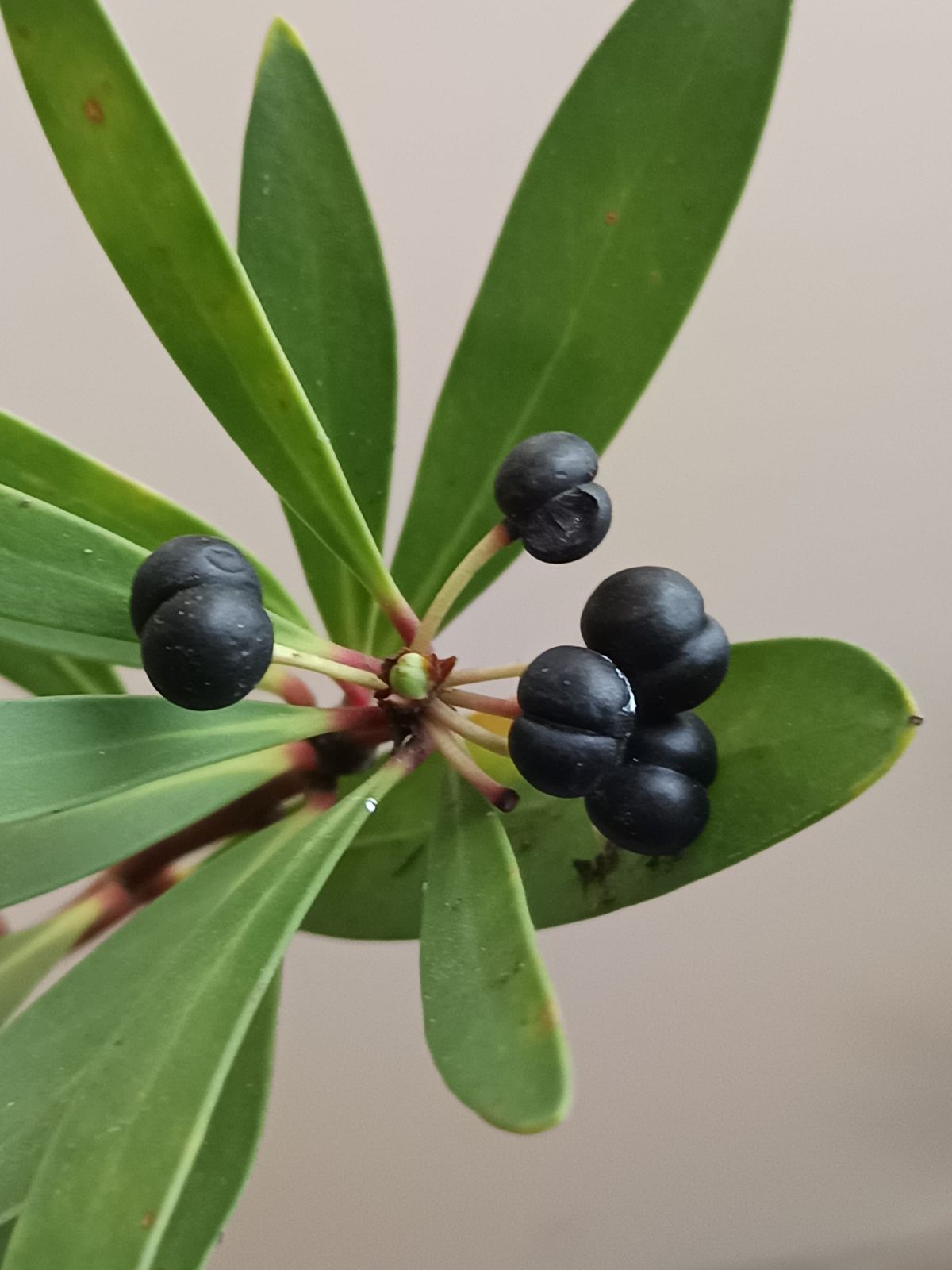
Let us talk about a native spice that punches well above its weight but grows terribly poorly in the average Perth metro garden. Tasmanian mountain pepperberry (Tasmannia lanceolata) is an evergreen shrub that does double duty, looking beautiful in the garden while biting back in the kitchen. It features striking, bright red stems that contrast with oval, dark green aromatic leaves, eventually maturing into a dense bush around 3 to 5m tall and 2 to 4m wide. As an added bonus for local growers, it is currently on the WA water corporation treebate scheme to be claimed as a financial rebate.
The signature heat in this plant comes down to a compound called polygodial. This delivers a pungent, lingering burn quite different from the quick hit of black pepper. Monash University describes the flavor profile as woody with distinct pepper and cinnamon notes, which is why it is even used in Japan to enhance the fiery kick of wasabi paste. You can use the leaves fresh or dried like a bay leaf, while the berries are typically air-dried or freeze-dried. The spice pairs beautifully with game meats like kangaroo, lifts curries and marinades, and adds a brilliant twist to creamy desserts or a local gin.
Beyond the flavor, the science on this native is compelling. Indigenous Australians have long used the leaves and berries for therapeutic purposes, and early European settlers adopted it as a substitute for Winter's bark to treat scurvy. Modern research is catching up to this traditional knowledge, with a 2021 study identifying a staggering 143 different phenolic compounds in the berries—including 70 flavonoids and 31 phenolic acids.
This high density of bioactive compounds means the berries are excellent antioxidants, essentially mopping up cell-damaging free radicals. In lab tests, the extracts showed strong alpha-glucosidase inhibition. In plain terms, it puts the brakes on the digestive enzyme that breaks down carbohydrates into sugar, slowing down how fast glucose enters your blood. Instead of a sudden sugar rush, your body gets a steady, slow-release energy snack.
Polygodial also gives the plant broad-spectrum antimicrobial power. It acts like a natural surfactant, disrupting the outer cell membranes of fungi and destroying them from the outside in. It is incredibly effective against yeasts like Candida albicans and Zygosaccharomyces bailii (a common culprit behind honey and syrup spoilage), making it a hot candidate for natural food preservation, such as extending the shelf life of fresh dates. You might see historical warnings about safrole—a regulated toxic compound found in many native plants—but reputable suppliers and nurseries use selected safe, commercial-grade clones that contain virtually zero safrole.
Growing mountain pepperberry in the Perth metro area is entirely doable, but you must play to its strengths. This is a cool-climate plant from the wet forests of Tasmania and Victoria; it is highly frost-tolerant but absolutely despises our baking, dry summer heat. For the best chance of success, it is much better suited to the cooler climates down South or up in the shaded valleys of the Perth Hills.
It demands a moist, highly permeable, slightly acidic soil. While it can survive in various soil bases, it has zero tolerance for waterlogging. The main killer of this species is Phytophthora root rot, a water mould that thrives in warm, stagnant, poorly drained soils. Because of this, it should never be planted directly into heavy clay; if your soil does not drain instantly, you must plant it in a raised garden bed heavily enriched with organic matter. Give it a sheltered position with dappled light, ensuring complete protection from the harsh afternoon sun, and water it regularly to keep the root zone consistently moist through summer.
The final catch is reproduction. Mountain pepperberry is strictly dioecious, meaning individual plants are either completely male or completely female. The small, creamy-yellow spring flowers require a male plant nearby for pollination, and only the female trees will produce the coveted black berries that ripen from red over autumn. It is a slow starter that takes a few years to really take off, so patience is key.
A Note on Self-Fertile Claims: You will frequently see Australian nurseries advertising specific "self-fertile" pepperberry cultivars. Be cautious with these claims. Botanically, Tasmannia lanceolata is strictly unisexual. While rare genetic sports or cutting-grown selections can occasionally display unstable, minor self-pollinating habits, buying a guaranteed male and female pair remains the only reliable way to ensure a heavy harvest of berries.
If you want to propagate your own, semi-ripe cuttings taken in summer are your most reliable option. Fresh seed can be used, but its viability is incredibly short, so it must be sown immediately. It requires a bit of extra effort to establish in our climate, but walking out to a handful of homegrown native pepperberries is well worth the wait.
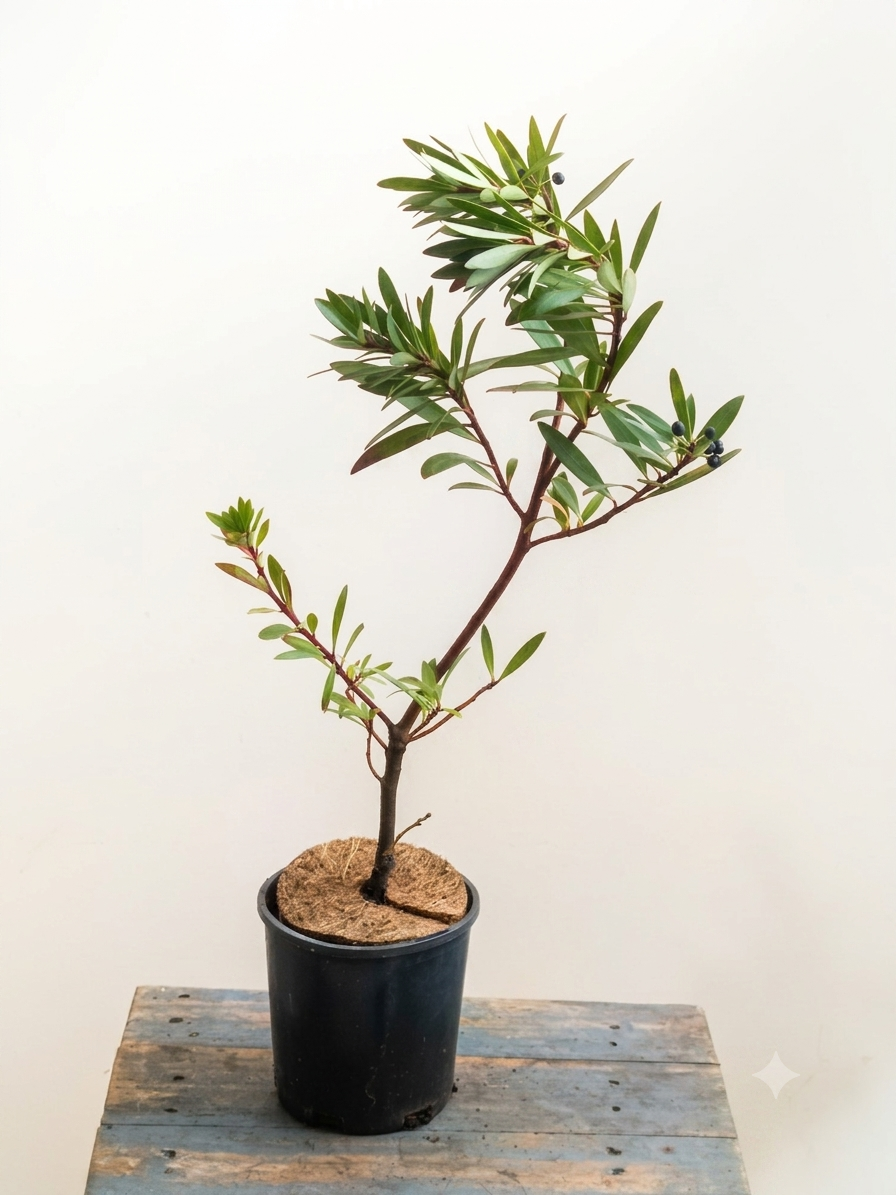
Tasmanian Mountain Pepper Berry $45