Plants that Fight Dementia

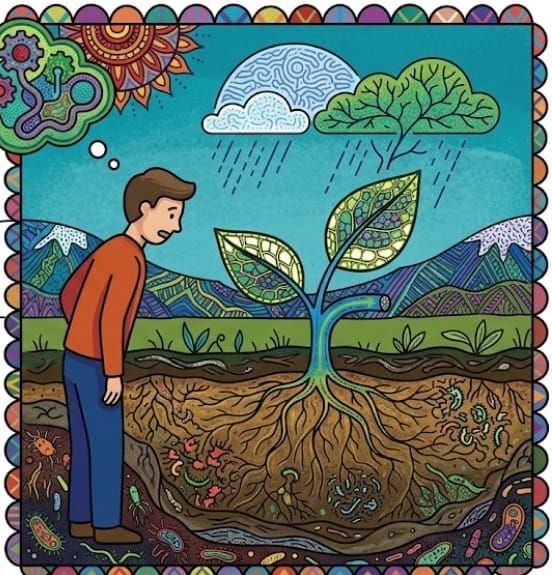
Could the greatest improvements to fighting off dementia begin in your garden and the community garden? Incorporating diverse fruits, herbs, and vegetables in your diet can reduce dementia risk. Replace alcohol with herbal teas like lemon balm or chamomile for better sleep and brain health. Blueberries, blackberries, and pomegranates offer antioxidants to protect against high cholesterol and blood pressure. Leafy greens like kale and spinach improve eyesight, while longevity spinach helps manage diabetes, reducing dementia risk. Saffron and turmeric lift mood and fight inflammation too. A biodiverse garden in a community garden setting also encourages social engagement, fighting isolation, and boosts brain resilience through mental stimulation. --— Want more info? Read on ... To lower the risk of dementia, adding specific fruits, herbs, and vegetables to your diet can make a big difference. Swap alcohol for herbal teas like lemon balm or chamomile to improve sleep and brain health. Drinks like coconut water or kombucha provide hydration and probiotics as alternatives. Leafy greens like kale and spinach, rich in lutein and zeaxanthin, improve eyesight and lower dementia risk. Carrots and sweet potatoes, high in beta-carotene, also enhance vision and protect the brain from oxidative stress. Longevity spinach helps lower blood sugar and fight diabetes, a key dementia risk factor. Including it in your diet improves insulin sensitivity and reduces inflammation, both critical for brain health. Antioxidant-rich fruits like blueberries, blackberries, and pomegranates protect the brain from high cholesterol and blood pressure, supporting vascular health and reducing cognitive decline. Saffron and turmeric fight depression and inflammation, protecting brain circuits from damage that could lead to dementia. Swiss chard and St. John’s wort also offer mental health support. To combat social isolation, a community garden encourages gatherings, while visual stimulation in a busy garden engages the brain, improving cognition and boosting overall brain health. Diverse gardens provide nutrients that promote healthy neural activity. The colors, textures, and smells stimulate multiple senses, strengthening brain function and reducing dementia risk. Colourful gardens also foster physical activity and exploration, improving memory through increased blood flow. These spaces offer learning opportunities, building neuroplasticity and resilience in the brain. A garden full of plants like capsicum, broccoli, walnuts, and flaxseeds supports sensory organs and brain function. Biodiversity strengthens your body and mind, creating a natural defense against dementia. Finally finishing off with the ever controversial glass of red wine. Drinking one glass of red wine might help with dementia prevention due to antioxidants like resveratrol, which may protect brain cells. Moderate consumption is linked to better heart health, which supports brain function. However, excessive alcohol increases the risk of cognitive decline. Some studies show benefits, but it's hard to know if red wine alone helps or if other factors like diet and lifestyle matter more. It's better to focus on a healthy lifestyle overall—exercise, a good diet, mental stimulation, and managing chronic conditions are proven ways to reduce dementia risk.