The Ancient Bolwarra Tree
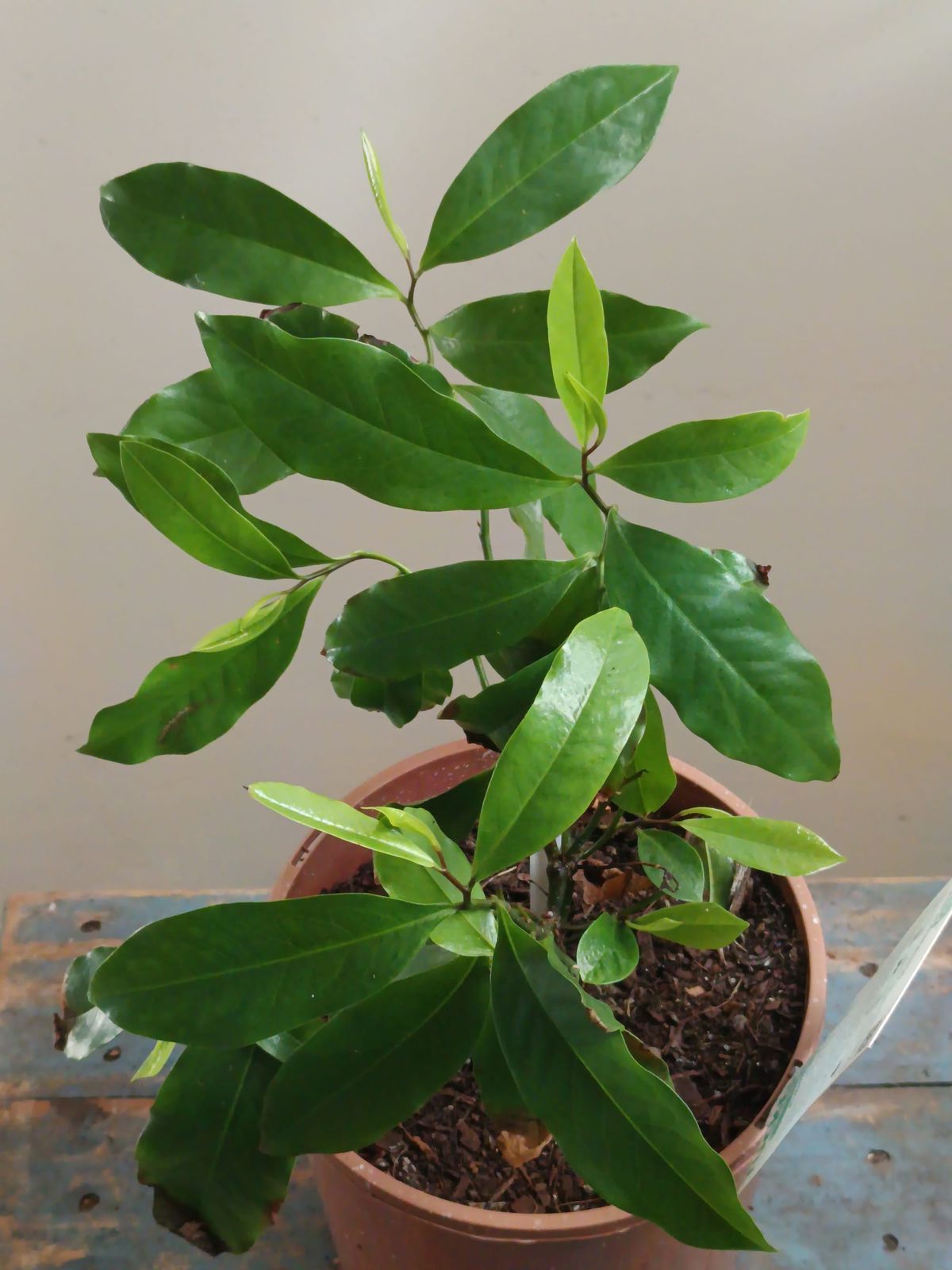
The Australian native guava is a really old rainforest plant that comes from the eastern states of Australia and parts of Papua New Guinea. It is a completely different plant to the tropical guavas you buy in the shops, and it belongs to a very ancient family of plants.
Growing this rainforest tree in the dry, sandy soils of places like Perth can be tricky, but it is definitely possible if you give it the right spot. It loves a protected area where it can stay cool and happy.
In the wild, this plant grows as a large shrub or small tree under the shade of much bigger trees. In your backyard, it will usually grow between 3-4m tall, which is a great size for suburban gardens.
It looks beautiful all year round because it has lovely glossy green leaves that grow along the branches in a cool zigzag pattern. When the winter cold hits, these leaves turn a gorgeous coppery-bronze colour.
If you want to plant one in your garden, you need to look after the soil first. It likes rich, organic soil that drains well so the roots do not get too soggy.
If you have very sandy soil, you should mix in lots of good compost, aged manure, and clay to help hold the moisture. Adding some good rock dust and friendly soil microbes when planting will also help the roots settle in much faster.
This tree cannot handle the blazing hot afternoon sun or dry summer winds, so you must plant it in a shady or partly shaded spot. The eastern or southern side of your house is usually the best place for it.
The roots sit quite close to the surface, so they can dry out fast if they get hot. You need to put down a thick layer of composted wood chip mulch to keep the soil damp and cool through the scorching summer months.
You must water it regularly to make sure the soil never dries out completely. It also grows brilliantly in big pots, which is perfect if you have a small courtyard or want to move it around to find the best shade. If you use a pot, start with a smaller size and move it up over the years until it is in a large 60L pot with premium potting mix.
The way this plant makes fruit is absolutely fascinating because it relies entirely on a tiny native weevil to do the pollination work. The flowers open early in the morning and do not have normal petals, looking instead like fluffy cream-coloured balls. The flowers give off a really strong, sweet smell that attracts the tiny weevils inside to eat and mate. Later in the day, the flower drops its pollen all over the insects before falling apart.
The pollen-covered weevils then fly off to the next flower, which creates the fruit. Because these specific eastern-states weevils might not live in your local area, you might need to help it along.
You can easily hand-pollinate the flowers yourself by gently rubbing a small, soft paintbrush inside the different flowers to spread the pollen around.
The fruit looks like a small green cup or ball and is about two to three centimetres wide. When it gets fully ripe in late summer or autumn, it turns a soft yellowish-brown colour. Inside, the pulp is soft, creamy, and full of tiny edible seeds that you can eat straight away. The taste is really unique and aromatic, like a mix of sweet guava, warm nutmeg, and a bit of spicy pepper.
To eat it fresh, you just cut the fruit in half and scoop the yummy inside out with a spoon, leaving the tough skin behind. You can also cook the pulp down to make amazing native spice jellies, sweet syrups, and savory sauces for meat.
Some people love to dry the whole ripe fruits out and grind them into a powder to use as a unique bush-tucker spice for baking and ice cream.
Scientists have been studying this plant because the leaves and bark contain some really powerful natural chemicals. Lab tests show that extracts from the plant can stop bad bacteria and moulds from growing.
The tree makes its own special compounds that work as excellent natural antioxidants. Some of these unique chemicals are even being looked at by researchers to see if they can help in the fight against serious illnesses.
If you want to grow your own from seed, you have to be patient because the seeds need to be planted fresh. You must clean every bit of the sticky fruit pulp off the seeds first, or they might rot in the soil.
Plant them straight away in a clean seed-raising mix and cover them lightly with a tiny bit of dirt. Keep the tray in a warm, shady spot and keep it moist, but be prepared to wait anywhere from one to six months for them to sprout.
You can also grow them from cuttings if you take pieces of firm, healthy wood during the autumn. Dipping the end into some rooting hormone will help them grow roots much quicker. Place the cuttings into a loose mix of perlite and peat moss, and keep them in a warm, misty area until new roots form.